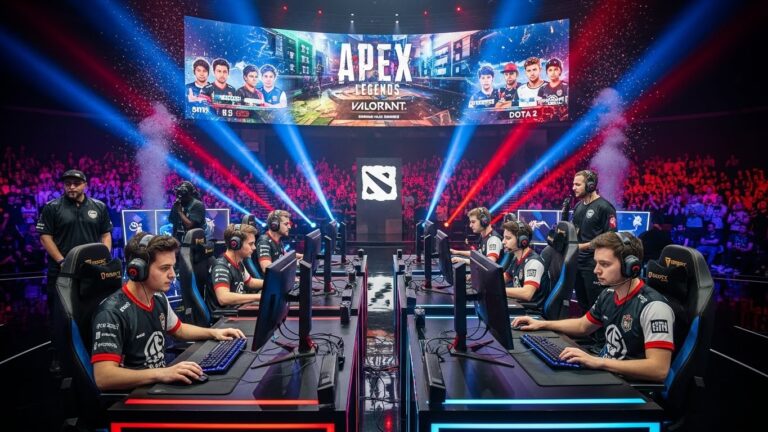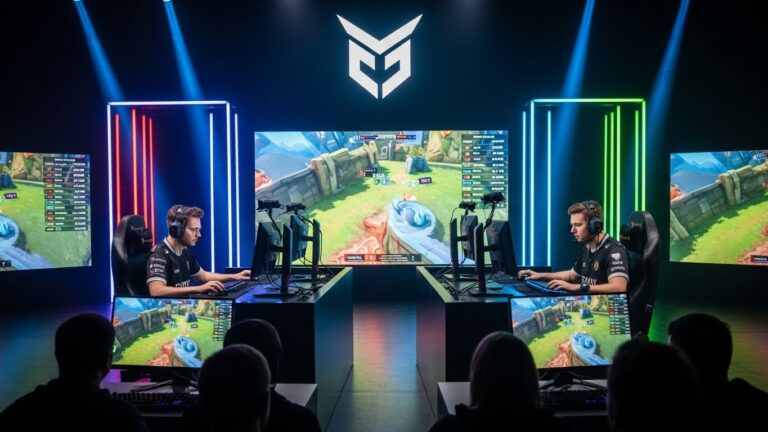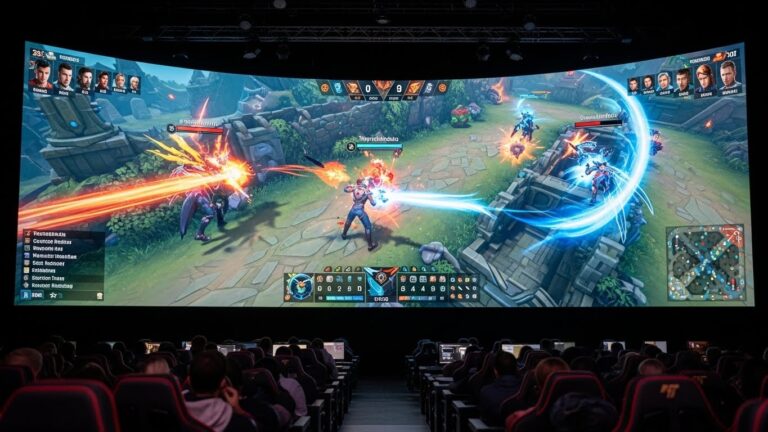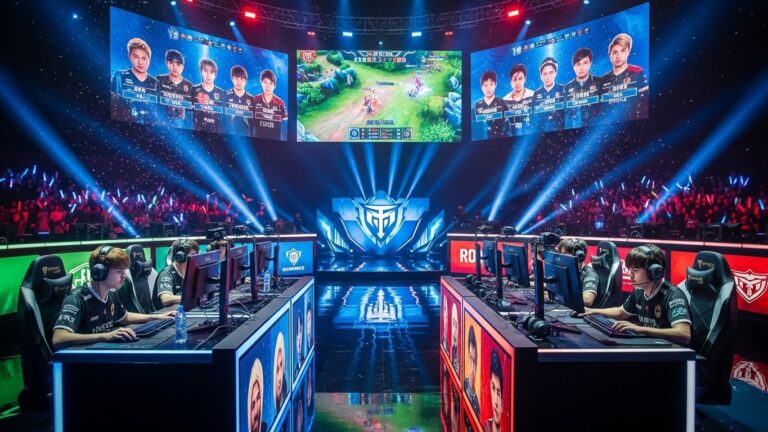
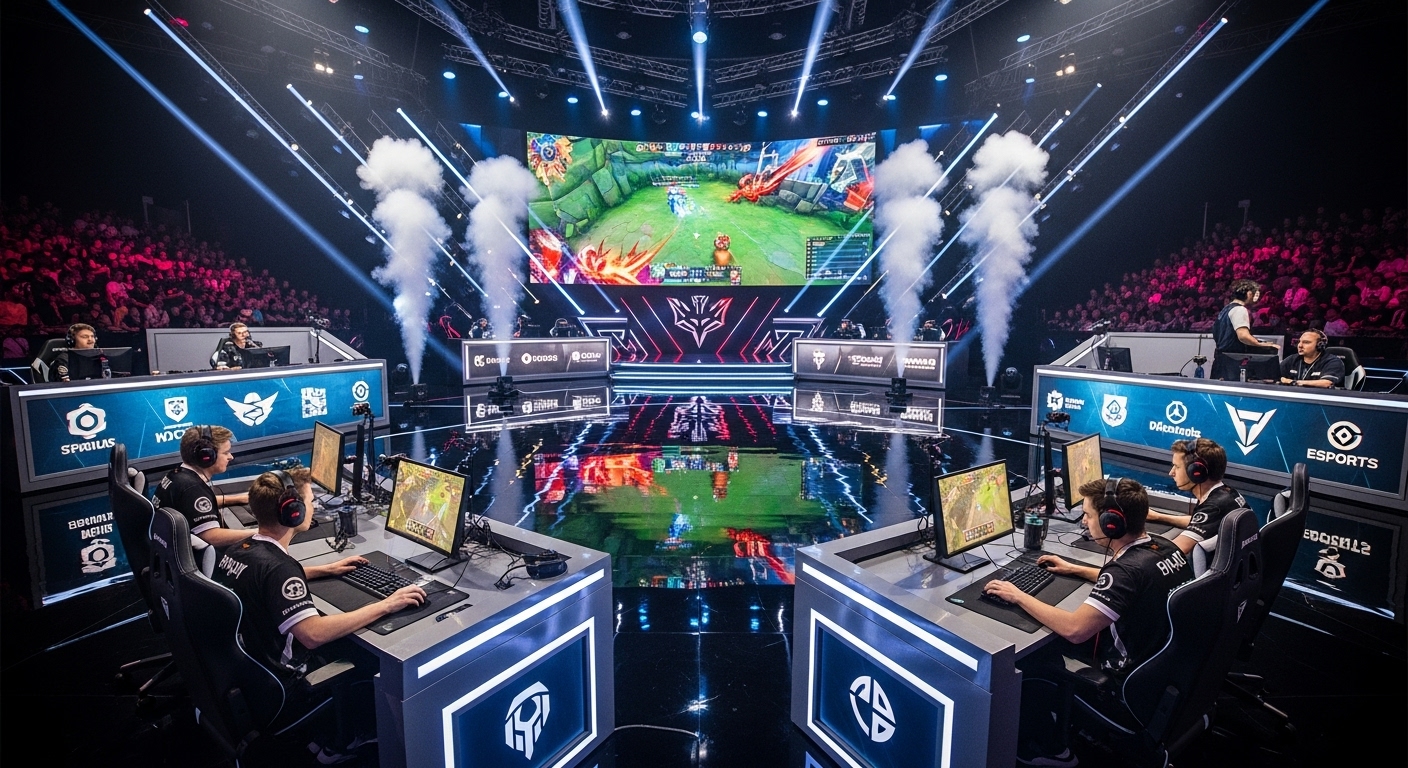
In the last two decades, few industries have grown as explosively as esports. What was once a small community of passionate gamers has transformed into a global entertainment empire worth billions of dollars, drawing massive audiences, corporate sponsorships, and professional athletes who compete at the highest level of gaming. Esports, or competitive video gaming, has evolved from being a subculture of the internet age into one of the most dynamic sectors in modern entertainment.
This article explores how esports rose from humble beginnings, its impact on culture and technology, its professional and business aspects, and what the future may hold for this digital revolution.
The Origins of Competitive Gaming
Long before esports became a mainstream spectacle, competitive gaming existed in a much simpler form. The earliest known gaming competition took place in 1972 at Stanford University, where students competed in a game called Spacewar! The prize was a year’s subscription to a magazine, a far cry from the million-dollar tournaments of today.
The 1980s saw arcade games like Pac-Man and Donkey Kong spark friendly competition among players, many of whom gathered in local arcades to set high scores. Gaming was a social experience even then, though limited by the technology of the time. With the rise of home consoles such as the Atari 2600 and the Nintendo Entertainment System, competition slowly expanded, though mostly within living rooms and small community events.
It was the 1990s, however, that laid the groundwork for what would become esports. As personal computers became more accessible, games like Doom, Quake, and StarCraft gave players a new platform to test their skills against others. LAN parties—local area network gatherings—became a popular way for friends to compete in person. This was the pre-internet age of esports, where dedication and community built the foundation for what was to come.
The Internet Revolution and the Birth of Esports
The arrival of the internet changed everything. Multiplayer gaming was no longer confined to living rooms or LAN cafes. Players could now compete with opponents across the world in real-time. This was the true birth of modern esports.
Games like Counter-Strike, Warcraft III, and StarCraft: Brood War defined the early online competitive scene. South Korea, in particular, became the first nation to truly embrace esports as a professional industry. The country’s fast internet infrastructure, coupled with government support, helped esports evolve rapidly. Television channels dedicated to gaming, such as Ongamenet, broadcasted professional matches of StarCraft to millions of viewers.
In the early 2000s, esports began to organize into structured leagues and tournaments. Major events like the World Cyber Games and Electronic Sports World Cup emerged, creating international stages for professional gamers. Prizes began to increase, sponsors took notice, and gaming slowly started to earn legitimacy as a serious competitive pursuit.
The Mainstream Explosion
The late 2000s and early 2010s marked a turning point. Broadband internet had become widespread, and streaming technology revolutionized how audiences consumed content. Platforms like Twitch and YouTube Gaming enabled anyone to watch live esports matches, commentaries, and tournaments from anywhere in the world.
The timing was perfect. Games such as League of Legends, Dota 2, and Counter-Strike: Global Offensive captured massive audiences. Each of these titles built competitive ecosystems supported by developers, sponsors, and fans. League of Legends in particular transformed the idea of esports into a global entertainment phenomenon. Its annual World Championship now fills stadiums with tens of thousands of fans and attracts millions more watching online.
Meanwhile, Valve’s The International, the premier tournament for Dota 2, shattered records year after year with its enormous prize pools—often crowdfunded by players themselves. These events rivaled traditional sports in viewership and production quality, showing that esports had officially arrived on the global stage.
The Professionalization of Esports
As esports matured, it began to mirror traditional sports in structure and professionalism. Players signed contracts, teams hired coaches and analysts, and organizations developed branding and merchandising strategies.
Top esports athletes today earn salaries comparable to professional sports players, bolstered by sponsorships, streaming revenue, and tournament winnings. Training routines are intense, often involving ten or more hours of daily practice, physical fitness programs, and mental coaching. Teams invest heavily in player well-being, nutrition, and even sports psychology to maintain peak performance.
Leagues such as the Overwatch League and Call of Duty League introduced franchise models similar to the NBA or NFL, complete with city-based teams and structured seasons. This shift signaled esports’ commitment to long-term sustainability and mainstream legitimacy.
The Role of Technology in Esports Growth
Technology has always been at the heart of esports. The industry’s expansion has been driven by advancements in hardware, internet connectivity, and streaming platforms. High-speed broadband and cloud infrastructure made online play smoother and more accessible.
Streaming technology was perhaps the single most important factor in esports’ explosion. Before Twitch and similar services, fans had limited ways to watch matches. Today, tournaments are broadcast live with professional commentary, instant replays, and high-definition visuals, giving esports the same production value as traditional sports broadcasts.
Social media also played a vital role. Platforms like Twitter, Discord, and Reddit allowed fans to interact with players, discuss strategies, and form global communities. Esports thrived on this interconnectedness, which blurred the lines between creators and audiences.
Additionally, the rise of mobile gaming and cross-platform titles has made competitive play more inclusive. Games like Mobile Legends, Free Fire, and PUBG Mobile brought esports to developing regions, particularly in Asia, Africa, and Latin America, where mobile devices are more common than gaming PCs.
The Cultural Impact of Esports
Esports has reshaped modern youth culture. For many young people, professional gamers are as recognizable and admired as football or basketball stars. The blend of skill, personality, and digital presence makes esports athletes unique cultural icons.
Streaming has amplified this cultural influence. Many professional players double as content creators, building personal brands that extend far beyond competition. They host talk shows, collaborate with musicians, and even appear in mainstream media.
The fashion industry has also taken notice. Esports organizations partner with global clothing brands to release merchandise lines and limited-edition apparel. Gaming aesthetics have influenced streetwear, music videos, and pop culture imagery.
Universities and schools around the world have also integrated esports into their programs. Scholarships for esports players are now common, and dedicated esports degrees in management, production, and game design are offered at major institutions. This academic recognition reflects esports’ growing legitimacy as both an entertainment form and a career path.
Esports and the Global Economy
The financial scale of esports today is staggering. The industry generates billions annually through sponsorships, media rights, merchandise, and ticket sales. Major corporations such as Intel, Coca-Cola, and Red Bull have invested heavily in esports sponsorships.
Game publishers also play a significant role, as many fund and manage their own competitive leagues. For example, Riot Games directly operates the League of Legends Championship Series, while Valve provides tools for community-driven funding in Dota 2.
Esports venues are another growing trend. Purpose-built arenas in cities like Los Angeles, Shanghai, and Stockholm host major tournaments, complete with live audiences and broadcast studios. This has helped bring esports into physical spaces, blurring the boundaries between digital and real-world entertainment.
In addition to direct revenue, esports also fuels adjacent industries. Streaming platforms, gaming hardware manufacturers, and digital marketing agencies all benefit from the ecosystem. Even traditional sports franchises have invested in esports teams, recognizing the potential to reach younger demographics.
The Psychological and Social Dynamics of Esports
Behind the bright lights and big prizes lies a complex human element. Esports athletes face unique psychological challenges, including burnout, performance pressure, and public scrutiny. The fast-paced nature of competition, coupled with long hours of practice, can lead to physical and mental strain.
However, many teams now employ psychologists and performance coaches to address these challenges. Mental health awareness has become a central topic in the esports community, promoting better habits and balance among players.
Socially, esports provides a sense of belonging for millions. Online communities form around teams, games, and shared experiences. For many fans, esports offers not just entertainment but also connection — a digital space where friendship and collaboration thrive across borders.
The Debate: Is Esports a Real Sport?
One of the most persistent debates surrounding esports is whether it should be classified as a “real” sport. Critics argue that esports lack the physical exertion that defines traditional athletics. Supporters counter that competition, skill, strategy, and teamwork are fundamental qualities that make esports a legitimate sport.
Many sports organizations have already embraced esports. The International Olympic Committee has recognized its cultural importance and even experimented with virtual competitions during the Olympic Esports Week. Traditional sports clubs, such as football and basketball teams, have established esports divisions, further validating its place in the broader athletic world.
At its core, esports shares the same essence as any sport: mastery of skill, teamwork, discipline, and the pursuit of excellence. It may not require physical endurance in the same way, but it demands exceptional reflexes, cognitive speed, and coordination.
Esports and Education
Esports has also entered the education sector in meaningful ways. Many schools now offer esports programs that teach students about teamwork, leadership, communication, and digital literacy. Esports clubs provide students with a structured environment to compete, socialize, and learn about game strategy and design.
Colleges and universities have established varsity esports teams that compete in intercollegiate leagues. Scholarships for top players are becoming increasingly common, allowing talented gamers to pursue higher education while competing professionally.
Beyond competition, esports education also focuses on career development. The industry offers roles in event management, broadcasting, marketing, analytics, and software development. By studying esports, students can enter a growing job market that blends creativity, technology, and media.
The Challenges Facing Esports
Despite its rapid rise, esports faces significant challenges. One of the biggest issues is sustainability. Many organizations struggle to maintain profitability due to the high costs of operations, player salaries, and event production. Revenue distribution often favors publishers and top-tier teams, leaving smaller organizations in financial uncertainty.
Player welfare is another concern. Intense training regimens and the pressure to perform can lead to early burnout. Unlike traditional sports, esports careers are often short, with many players retiring in their mid-20s. This makes career planning and post-retirement support crucial issues for the industry to address.
Additionally, the esports world has faced controversies related to cheating, match-fixing, and toxic behavior within gaming communities. Developers and organizers have worked to combat these problems through stricter regulations and better moderation systems, but maintaining integrity remains an ongoing battle.
The Future of Esports
Looking ahead, esports shows no sign of slowing down. The integration of virtual reality, augmented reality, and artificial intelligence promises to reshape how games are played and experienced. These technologies could create even more immersive and interactive tournaments, where fans can participate virtually alongside their favorite players.
Mobile esports is expected to dominate in the coming years, especially in emerging markets. With billions of smartphone users worldwide, accessibility will continue to be a key driver of growth.
The line between traditional sports and esports will likely blur further. Hybrid events combining physical activity with digital gaming — such as virtual racing and motion-based games — may redefine what it means to be an athlete.
Moreover, the increasing recognition of esports by governments and educational institutions will cement its place in society. With structured leagues, scholarships, and international competitions, esports is poised to become as integral to global culture as cinema or music.
Conclusion: A New Era of Competition
Esports represents the evolution of human competition in the digital age. It combines skill, technology, creativity, and passion in a way that reflects the modern world. From its humble beginnings in college labs and arcades to the grand stages of world championships, esports has proven that gaming is more than just a pastime — it is a legitimate cultural and economic force.
What makes esports truly remarkable is its inclusivity. Anyone with a computer or smartphone can participate, watch, or aspire to compete. It transcends language, geography, and background, uniting millions through the universal love of play and challenge.
As technology continues to advance and the next generation of gamers rises, the story of esports is still being written. Its journey from pixels to stadiums is not just about gaming; it’s about the power of human connection in a digital world. The future of competition is already here — and it’s being played on screens.
About the Author