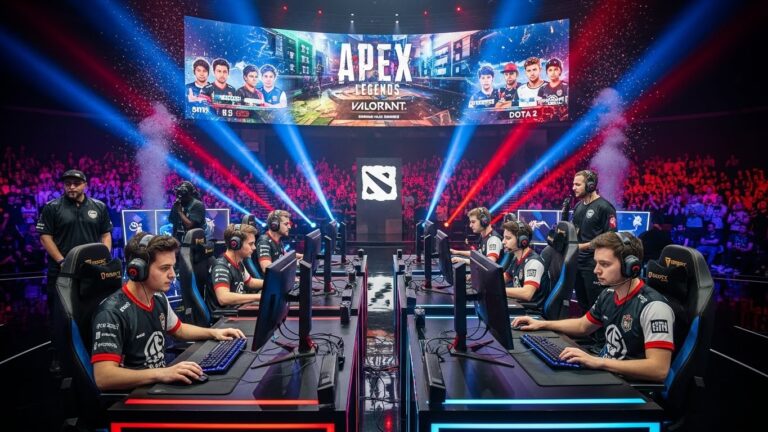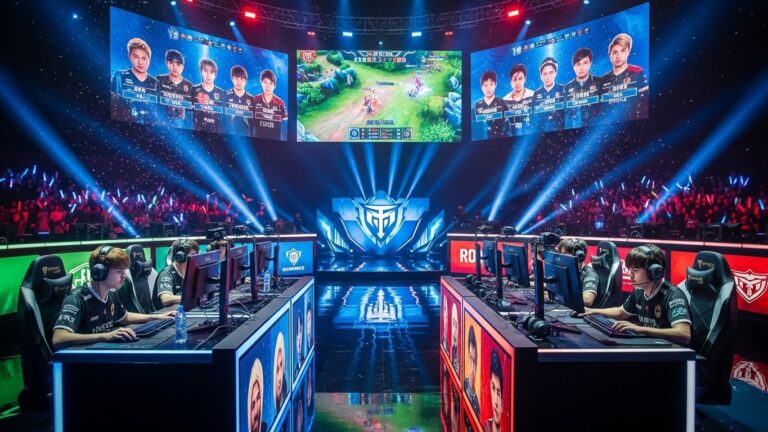
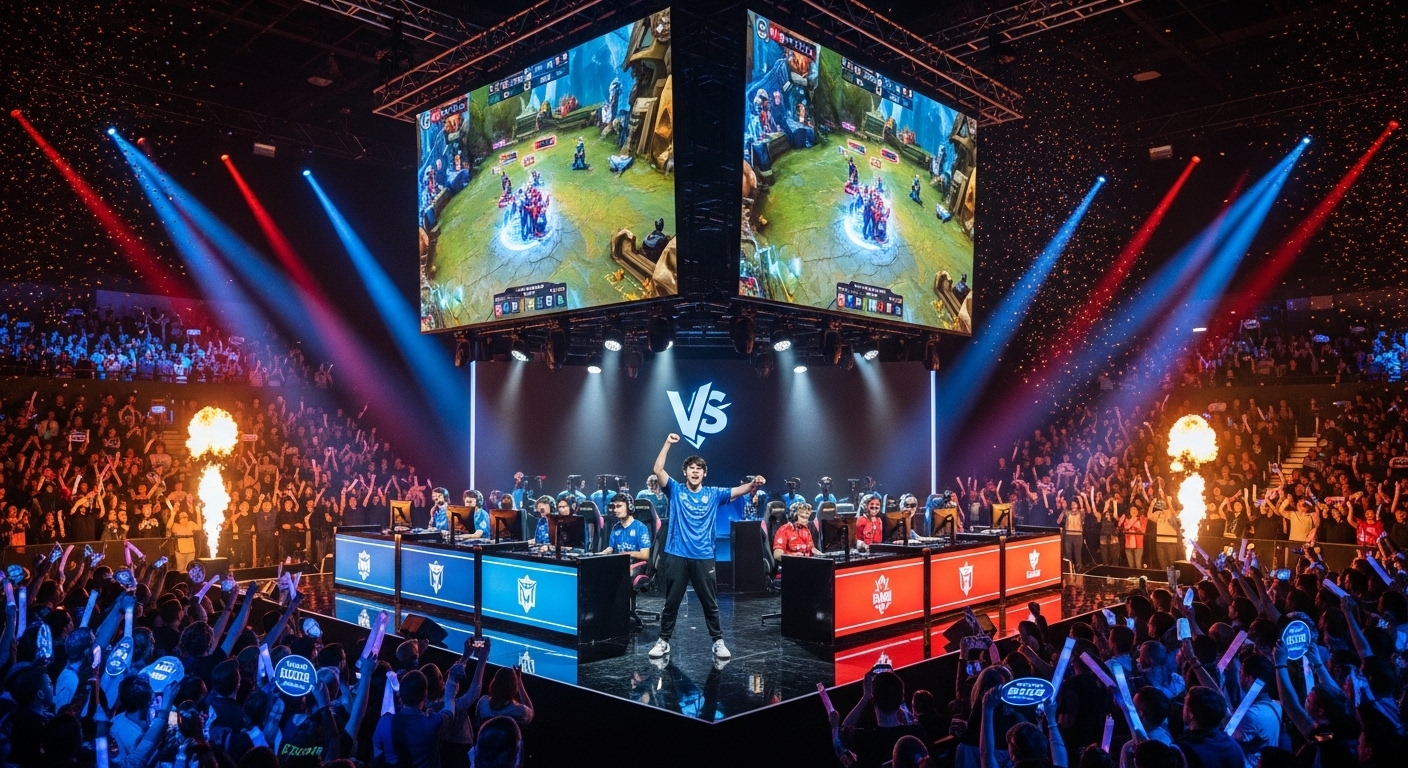
Esports, or competitive video gaming, has evolved from a niche hobby into a global phenomenon that rivals traditional sports in both viewership and revenue. What was once considered a pastime for enthusiasts has transformed into a professional industry attracting millions of players, fans, and investors worldwide. With stadiums filled with cheering audiences and tournaments streamed online to millions, esports has become a cultural and economic force.
This transformation is not just about games—it represents a shift in how people compete, socialize, and consume entertainment. It blends technology, strategy, teamwork, and spectacle into a unique form of competition that is distinctly modern yet deeply rooted in the timeless human desire for challenge and achievement.
The Origins of Esports: From Arcade Competitions to Online Battlegrounds
The roots of esports trace back to the early days of video gaming. In the 1970s and 1980s, arcade machines became hubs of competition. Players competed for high scores and local recognition, laying the groundwork for organized gaming events. Titles like Space Invaders and Pac-Man sparked communities where players shared strategies and challenged each other.
The 1990s saw the rise of PC gaming and local area network (LAN) tournaments. Games like Quake, StarCraft, and Counter-Strike became staples of competitive gaming. These early competitions emphasized skill, strategy, and teamwork, creating the foundation for professional esports.
With the advent of the internet, gaming became a global activity. Online multiplayer games allowed players to compete across continents, breaking geographical boundaries. Streaming platforms soon emerged, enabling spectators to watch live matches, interact with players, and participate in a shared digital culture. This set the stage for esports as we know it today.
The Rise of Professional Esports
Esports today is a multi-billion-dollar industry with professional players, coaches, and teams. Unlike casual gaming, professional esports demands rigorous training, strategic thinking, and precision execution. Players dedicate hours each day to practice, analyze gameplay, and refine strategies to maintain a competitive edge.
Popular titles such as League of Legends, Dota 2, Call of Duty, and Fortnite host tournaments with prize pools in the millions. Professional players receive salaries, sponsorship deals, and recognition similar to traditional athletes. Top-tier teams operate like sports franchises, complete with coaching staff, analysts, and marketing departments.
The professionalization of esports has given rise to a new kind of celebrity. Players are admired not only for their in-game skill but also for their personality, social media presence, and influence on gaming culture. This visibility has helped esports attract sponsors, media attention, and mainstream legitimacy.
Esports as a Cultural Phenomenon
Esports is more than a competitive pursuit; it is a cultural movement. It has created global communities united by a shared passion for gaming. Unlike traditional sports, esports is inclusive, allowing players of different genders, ages, and backgrounds to participate and succeed.
Streaming platforms have been crucial in building this culture. Fans can watch their favorite players, learn strategies, and interact in real-time. This engagement fosters a sense of belonging and community, turning spectators into active participants.
The influence of esports extends beyond gaming. Celebrities, athletes, and musicians increasingly participate in esports events, bridging the gap between digital and traditional entertainment. Gaming has also influenced fashion, music, and media, making esports a central part of contemporary youth culture.
The Business of Esports
Esports has grown into a highly lucrative industry with diverse revenue streams. Sponsorships, advertising, media rights, merchandise, and ticket sales all contribute to its profitability. Major brands, including technology, beverage, and fashion companies, invest heavily in esports to engage with a young, digital-savvy audience.
Sponsorship deals often fund tournaments, support teams, and provide equipment. Streaming platforms generate revenue through subscriptions, ads, and donations, creating financial support for both players and organizers. Live events, held in stadiums or convention centers, attract thousands of attendees, creating an immersive experience that blends competition with entertainment.
Merchandising also plays a significant role. Fans purchase team jerseys, gaming peripherals, and collectibles, fostering loyalty and creating additional revenue. This multifaceted business model demonstrates the economic power of esports and its ability to operate on a scale comparable to traditional sports leagues.
The Life of a Professional Esports Player
Professional esports players face a unique set of challenges and demands. Their daily routines often involve long hours of practice, strategy sessions, and team coordination. Physical health, mental resilience, and quick reflexes are essential for success.
Unlike traditional athletes, esports players rely heavily on cognitive skills, hand-eye coordination, and decision-making under pressure. Teams often employ coaches and analysts to optimize performance, study opponents, and develop strategies tailored to each match.
Mental health is also a critical factor. The pressure to perform, public scrutiny, and constant competition can lead to burnout. Many organizations now provide support systems, including mental health professionals and structured schedules, to ensure players maintain balance and longevity in their careers.
Esports in Education
The rise of esports has extended into educational institutions. Schools and universities are increasingly recognizing esports as a legitimate extracurricular activity. Some institutions offer esports scholarships, allowing students to pursue higher education while honing their gaming skills.
Academic programs in esports focus on game design, team management, broadcasting, and strategy. Students learn valuable skills such as teamwork, leadership, communication, and problem-solving—skills that translate to careers both inside and outside the gaming industry.
Integrating esports into education not only legitimizes gaming as a profession but also provides pathways for students to enter the rapidly expanding esports ecosystem. It creates opportunities for careers in management, coaching, content creation, and technology development.
Global Tournaments and Competitive Spirit
Esports tournaments are grand spectacles, drawing millions of viewers and offering multi-million-dollar prize pools. Events like The International, League of Legends World Championship, and Fortnite World Cup are global showcases of skill, strategy, and entertainment.
These tournaments embody the competitive spirit of esports. Players demonstrate precision, adaptability, and teamwork in high-pressure situations. Fans analyze every move, cheer for their favorite teams, and participate in a collective experience that transcends borders.
Live events also drive tourism and local economies. Stadiums filled with fans create a festival atmosphere, combining gaming, entertainment, and community engagement. Esports has transformed digital competition into a tangible cultural phenomenon.
Technology and Esports
Technology is at the heart of esports. High-performance hardware, fast internet connections, and advanced software are essential for competitive play. Graphics cards, processors, and specialized peripherals allow players to perform at the highest level.
Streaming technology has made esports accessible to a global audience. Real-time broadcasts with interactive features allow viewers to engage with players and each other, creating a dynamic viewing experience.
Analytics and artificial intelligence further enhance performance. Teams use data to evaluate player skill, study opponents, and refine strategies. Technology ensures that esports is not only a competition but also a field of continuous innovation.
Challenges in Esports
Despite its rapid growth, esports faces several challenges. Health concerns, including eye strain, repetitive motion injuries, and mental fatigue, affect players who spend long hours in front of screens. Managing stress and avoiding burnout are ongoing issues for professional competitors.
Standardization and regulation are also needed. Unlike traditional sports, esports lacks a unified governing body, leading to inconsistencies in rules, contracts, and tournament operations. Ethical concerns, such as cheating and match-fixing, require vigilance and oversight.
Perception remains a hurdle. While esports is widely recognized, some still question its legitimacy as a sport. Overcoming these challenges will require investment in infrastructure, player welfare, and public education about the complexity and professionalism of esports.
The Future of Esports
The future of esports is bright and full of potential. Emerging technologies like virtual reality, cloud gaming, and AI-driven enhancements will make competitions even more immersive. Integration with traditional sports, media, and entertainment will expand the audience and create new opportunities for collaboration.
Esports is also moving toward greater inclusivity. Initiatives promoting diversity and accessibility ensure participation from women, different cultures, and various age groups. This makes esports a truly global and representative industry.
As esports continues to evolve, it will shape digital culture, professional careers, and social interaction. Its influence on entertainment, education, and technology is likely to grow, making it one of the defining industries of the 21st century.
Conclusion: Esports as a Cultural and Competitive Force
Esports has transformed competitive gaming into a global industry with cultural, social, and economic significance. It combines skill, strategy, technology, and community in ways that were unimaginable just a few decades ago. From small arcade competitions to massive international tournaments, esports represents the evolution of competition in the digital age.
As the industry matures, it will continue to inspire players, captivate audiences, and challenge traditional notions of sport and entertainment. Esports is more than a game—it is a movement, a profession, and a cultural phenomenon that reflects the creativity, passion, and innovation of a connected world.
The digital arena is no longer just a virtual space—it is a stage where the future of competition, entertainment, and community unfolds. Esports is here to stay, and its influence will only grow, shaping the way we play, watch, and engage with the world around us.
About the Author