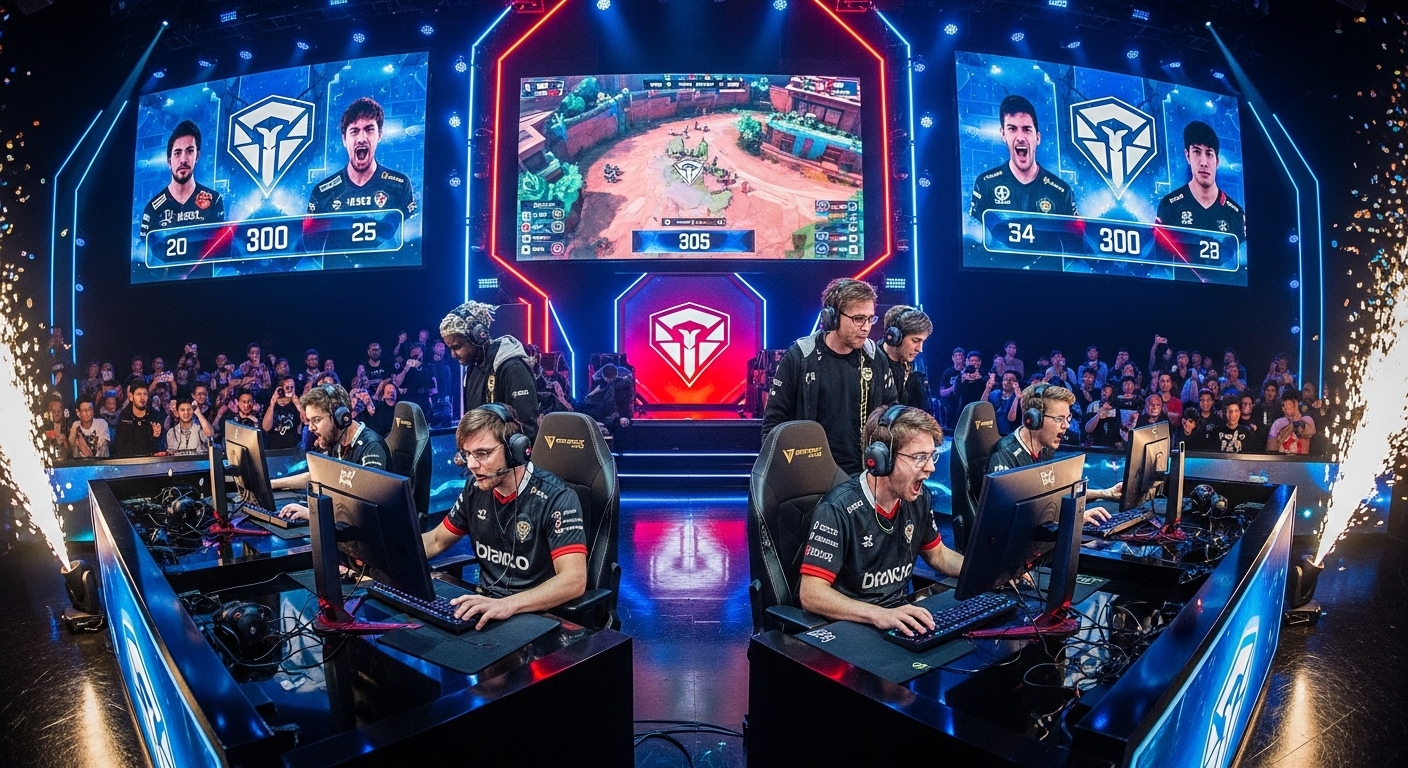
Introduction: The Rise of Esports
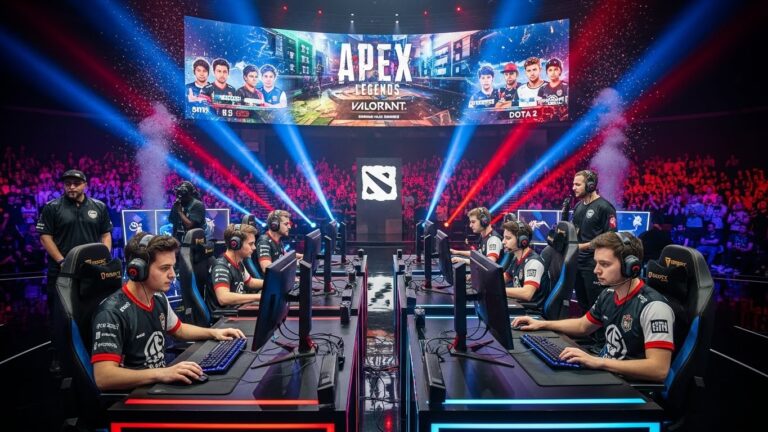
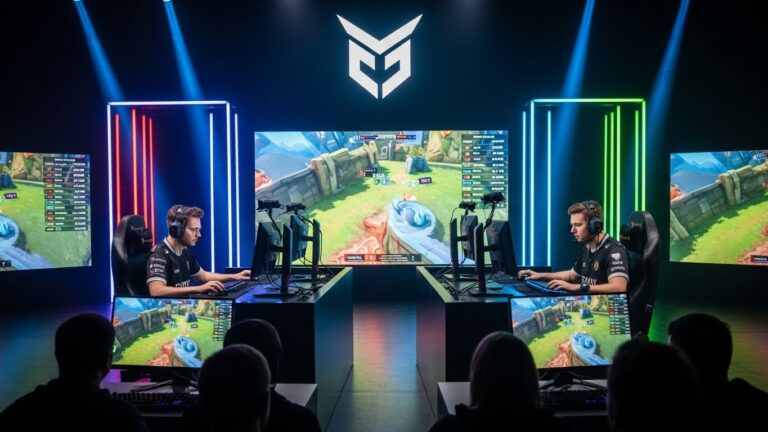
Esports, or electronic sports, has grown from a casual pastime into a global phenomenon that captivates millions of players and viewers. No longer confined to small tournaments or local gaming events, esports now attracts international audiences, sponsorships, and media coverage comparable to traditional sports. What sets esports apart is its ability to transcend physical boundaries, allowing players to compete from virtually anywhere and fans to engage in real time through streaming platforms and online communities.
In this blog, we will explore the history of esports, the types of games that dominate the competitive landscape, technological innovations driving its growth, its cultural and social impact, economic significance, challenges, and future trends.
The History of Esports
Competitive gaming has roots stretching back decades. In the 1970s and 1980s, arcade tournaments and high-score contests were among the earliest forms of organized competition. Games like Pong and Space Invaders introduced players to competitive play, while local contests fostered camaraderie and community engagement.
The 1990s brought the advent of online multiplayer games, a pivotal moment in the evolution of esports. Titles such as StarCraft, Quake, and Counter-Strike allowed players to compete globally. High-speed internet enabled large-scale competitions and paved the way for structured leagues and professional tournaments. By the early 2000s, esports had begun to formalize into an industry with prize pools, sponsorships, and media coverage.
Major Genres in Esports
Esports encompasses a wide variety of game genres, each with its own competitive dynamics and fan base.
First-Person Shooters (FPS)
FPS games, including Counter-Strike: Global Offensive, Valorant, and Call of Duty, require precision, quick reflexes, and strategic teamwork. Players must make split-second decisions while communicating effectively with teammates. FPS games remain some of the most watched and played titles in professional esports tournaments.
Multiplayer Online Battle Arenas (MOBA)
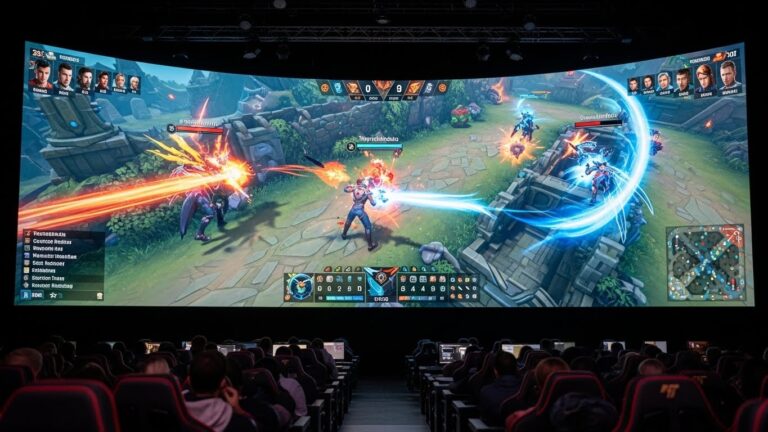
MOBA games such as League of Legends and Dota 2 emphasize team strategy, coordination, and role specialization. Players assume specific roles, working collectively to defeat opponents and achieve objectives. MOBAs combine long-term planning with tactical execution, making them a cornerstone of competitive esports.
Sports Simulation Games
Titles like FIFA, NBA 2K, and Madden NFL digitally simulate real-world sports. Competitive gaming in these genres requires mastery of both in-game mechanics and real-world strategies. Sports simulation esports attract fans who appreciate the blend of digital skills and traditional athletic knowledge.
Battle Royale Games
Battle royale games such as Fortnite, PUBG, and Apex Legends feature survival-style competitions where players must be the last one standing. These games emphasize adaptability, strategic decision-making, and resource management, often creating unpredictable and highly engaging competitive scenarios.
Fighting Games
Fighting games like Street Fighter, Tekken, and Super Smash Bros. focus on one-on-one combat, testing reflexes, timing, and character mastery. Fighting games highlight individual skill and are central to the esports community, maintaining a dedicated and passionate fan base.
Technological Innovations Shaping Esports
Technology is the backbone of esports, influencing both gameplay and spectator experience.
High-Performance Gaming Hardware
Professional players rely on high-end computers, consoles, monitors, and peripherals. Smooth gameplay, low latency, and precise controls are essential for competitive success. Hardware advancements also allow for better graphics, faster processing, and a more immersive gaming experience.
Streaming and Broadcasting Platforms
Live streaming platforms have revolutionized esports by connecting players and fans in real time. Millions of viewers can watch tournaments, interact with commentators, and support their favorite teams or players. Streaming has also created opportunities for professional players to become content creators and influencers, expanding their reach and fan base.
Artificial Intelligence and Analytics
AI and data analytics help teams refine strategies, monitor performance, and evaluate opponents. Coaches and analysts use data to identify strengths and weaknesses, creating a more competitive environment. AI also enhances spectator experiences through predictive insights and dynamic content.
Virtual Reality and Augmented Reality
While still emerging, VR and AR technologies promise to redefine esports. Virtual arenas can immerse players and viewers in interactive environments, creating new ways to experience competition. AR overlays could enhance live events by providing real-time data and interactive elements.
Cloud Gaming
Cloud gaming allows players to access high-quality esports titles without the need for expensive hardware. Games are streamed from powerful servers, reducing entry barriers and expanding accessibility to a wider audience.
Professionalization of Esports
Esports has developed into a structured professional field. Teams employ coaches, analysts, psychologists, and nutritionists to optimize player performance. Training routines mirror traditional sports, focusing on teamwork, strategy, and mental resilience.
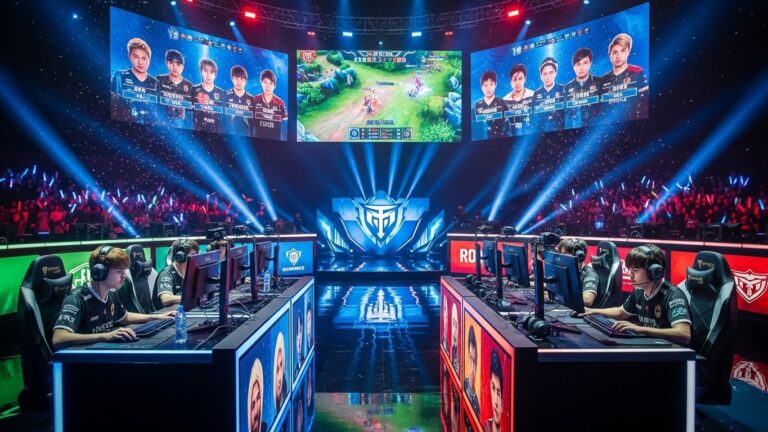
Major tournaments, such as The International (Dota 2), the League of Legends World Championship, and the Fortnite World Cup, feature enormous prize pools and global media attention. Sponsorship deals, advertising, and media rights have further solidified esports as a viable professional career.
Social and Cultural Impact of Esports
Esports has created vibrant online and offline communities. Fans connect through social media, forums, and streaming platforms to discuss strategies, share experiences, and celebrate achievements. This social dimension has transformed gaming into a shared cultural phenomenon.
Esports has also influenced mainstream entertainment. Players are recognized as celebrities, fashion trends emerge from game-inspired content, and music, art, and media often draw inspiration from popular titles. Esports represents a new form of social interaction where virtual achievements carry real-world significance.
Economic Significance of Esports
The esports industry generates billions in revenue annually. Revenue streams include tournament prize pools, sponsorships, merchandise, media rights, and streaming subscriptions. Professional players earn salaries, endorsements, and prize money, while teams and organizations function like traditional sports franchises.
Esports also drives technological innovation in hardware, software, and media production. Cities hosting major tournaments benefit from tourism, infrastructure investments, and local business activity, demonstrating the wider economic impact of the industry.
Esports and Education
Educational institutions have embraced esports through scholarships, leagues, and academic programs. Students gain skills in leadership, teamwork, critical thinking, and digital literacy. Schools and universities are increasingly treating esports as a legitimate path for academic and career growth, opening opportunities in professional play, event management, content creation, and game development.
Challenges in Esports
Despite rapid growth, esports faces challenges. Player burnout, mental health issues, and online toxicity remain pressing concerns. Long practice hours, high-pressure tournaments, and constant public scrutiny can affect well-being.
Organizations are implementing measures such as mental health programs, anti-cheating systems, and community moderation to promote ethical and sustainable gaming practices. Inclusivity, fair play, and player welfare are critical for long-term growth.
The Future of Esports
The future of esports is promising and full of potential. Advancements in VR, AR, cloud gaming, and AI will enhance both gameplay and spectator experiences. Mobile esports and cross-platform play will broaden access and connect global communities.
Esports will continue to integrate with mainstream media, education, and entertainment, creating innovative forms of engagement. Professional leagues will expand, prize pools will grow, and infrastructure for training and broadcasting will improve. The influence of esports on culture, economy, and social interaction will continue to deepen.
Conclusion: Esports as a Transformative Force
Esports has evolved from casual gaming into a global competitive and cultural powerhouse. It combines technology, skill, strategy, and entertainment to create experiences that engage millions of players and viewers.
By transcending physical boundaries, esports connects people worldwide, provides career opportunities, and inspires new forms of social interaction. It represents a shift in the way society views competition, entertainment, and digital culture. As the industry continues to grow, esports will remain at the forefront of innovation, shaping the future of interactive entertainment and global culture for generations to come.
About the Author