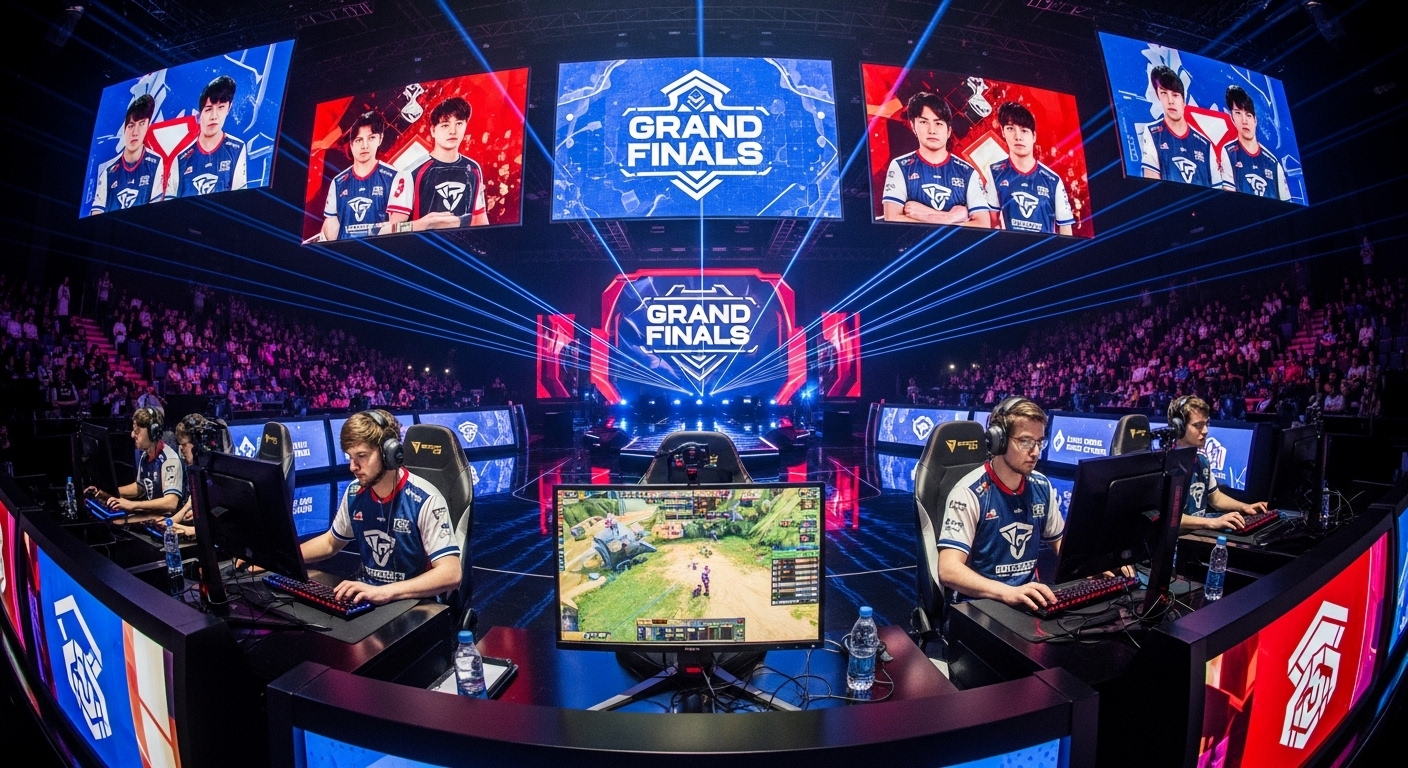
Introduction: The Digital Transformation of Sports
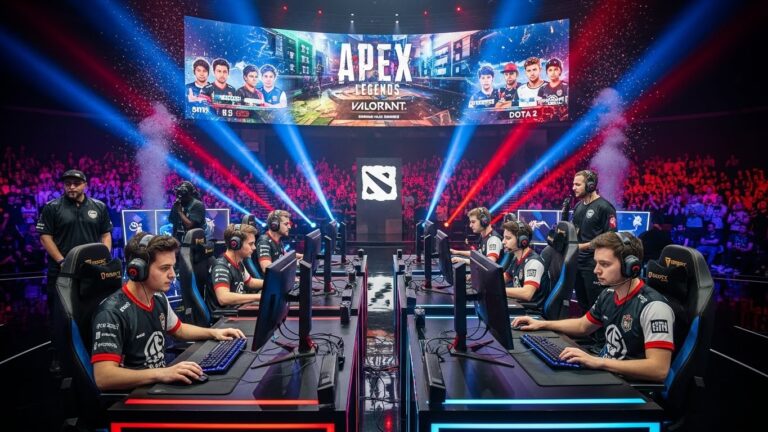
In recent years, the world of entertainment has undergone a dramatic shift. Traditional sports continue to draw audiences, but a new form of competition has emerged—esports. Once considered a niche hobby for gaming enthusiasts, esports has transformed into a global phenomenon with millions of players and spectators. It has become an industry where skill, strategy, teamwork, and technology converge, creating a unique form of competition that rivals traditional sports in scale and excitement.
Esports, or electronic sports, involves organized, competitive video gaming. It is played professionally or semi-professionally, often in teams, and spans genres ranging from real-time strategy to first-person shooters. What began as casual competitions in arcades and homes has evolved into live events, global tournaments, and multi-million-dollar prize pools. This blog explores the growth, impact, and future of esports, highlighting why it has become a defining feature of modern entertainment.
The Origins of Competitive Gaming
The roots of esports trace back to the 1970s, when early video games were introduced to the public. One of the first recorded competitions took place at Stanford University in 1972, where students competed in the game “Spacewar.” The winner received a modest prize, but the event planted the seeds for organized competitive gaming.
During the 1980s and 1990s, arcade culture flourished. Games like “Pac-Man,” “Donkey Kong,” and “Street Fighter” became popular, and local competitions started to emerge. High scores were celebrated, and top players gained local fame. With the rise of home consoles and personal computers, gaming became more accessible, laying the groundwork for organized competitive play.
The real breakthrough came with the internet. Online multiplayer games such as “Counter-Strike” and “StarCraft” enabled players from across the globe to compete in real-time. South Korea emerged as a hub for professional esports, establishing leagues, televised competitions, and professional players who became celebrities. These developments marked the transition from casual gaming to a structured, professional industry.
The Global Growth of Esports
The 2010s witnessed the explosive growth of esports. Streaming platforms allowed fans to watch live competitions and interact with players and other viewers in real time. This increased accessibility brought esports into the mainstream, attracting millions of viewers worldwide.
Games such as “League of Legends,” “Dota 2,” “Overwatch,” and “Fortnite” became pillars of the industry, each developing their own competitive ecosystems. Major tournaments offered prize pools reaching millions of dollars, drawing global attention. Sponsorships and partnerships with brands from diverse industries further fueled growth, signaling that esports was no longer just a hobby—it was a viable business.
Today, esports has become a global phenomenon. Asia, particularly South Korea and China, leads in competitive infrastructure and audience size. North America and Europe have established professional leagues and esports academies. Emerging regions, including South America, the Middle East, and Africa, are experiencing rapid growth, highlighting the universal appeal of competitive gaming.
Players and Teams: The Faces of Esports
At the heart of esports are its players and teams. Professional players dedicate hours each day to training, mastering game mechanics, and developing strategies. They are supported by coaches, analysts, and support staff who focus on physical and mental health, ensuring peak performance.
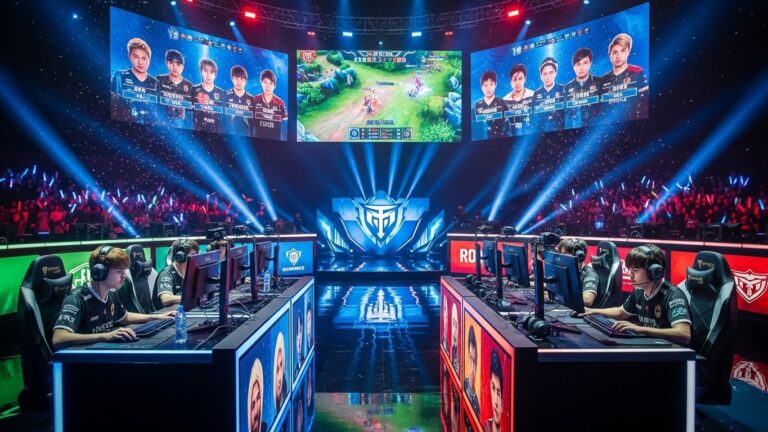
Teams compete in structured leagues and tournaments, earning both prize money and recognition. Organizations such as Cloud9, FaZe Clan, and T1 have become household names, with fans following them across social media, streaming platforms, and live events. Teams not only compete but also create content, engage with their communities, and build global brands that extend beyond gaming.
Fans play an equally important role. Esports communities thrive on interaction, with fans streaming matches, creating content, attending events, and supporting players. The connection between players and fans is direct and personal, facilitated by social media and live streaming, which adds a unique dimension to the esports experience.
Technology: The Backbone of Esports
Technology is fundamental to the growth of esports. High-speed internet, powerful computers, advanced gaming consoles, and professional-grade peripherals make competitive gaming possible. Streaming platforms provide real-time access to matches for millions of viewers worldwide.
Emerging technologies such as virtual reality, augmented reality, and artificial intelligence are transforming esports. Virtual reality can create immersive spectator experiences, allowing fans to feel present in the game. AI is increasingly used to analyze player performance, develop strategies, and enhance training. 5G technology promises low-latency connections, enabling smoother gameplay and better online competition.
Game developers continually innovate to maintain engagement. Regular updates, new content, and balance changes ensure that competitions remain dynamic and challenging. This ongoing innovation is a key reason why esports has sustained long-term growth and popularity.
Economic Impact: Esports as a Business
Esports has become a multi-billion-dollar industry with diverse revenue streams. Sponsorships, advertising, tournament ticket sales, merchandise, and media rights generate significant income. Brands recognize the potential of reaching a digitally engaged audience, making esports an attractive marketing platform.
Cities are beginning to bid for major esports events, knowing that these tournaments bring tourism and global recognition. Educational institutions are also entering the field, offering scholarships and programs in esports management, game design, and digital media.
Beyond gaming, esports has created jobs in broadcasting, content creation, event management, marketing, and analytics. It has grown into an entire ecosystem that supports players, teams, fans, and businesses, showcasing its economic and cultural significance.
Cultural Significance and Social Impact
Esports is more than just competition; it is a cultural movement. It reflects the digital era’s values of inclusivity, connectivity, and innovation. Players from diverse backgrounds can compete on an equal footing, and global communities form around shared passion and fandom.
Esports has influenced music, fashion, and entertainment. Professional players appear in advertisements, television, and pop culture events, becoming influencers and role models. Conventions, fan art, cosplay, and online communities foster creativity and social interaction, allowing fans to engage with the culture beyond the game itself.
Esports also encourages social connectivity. Online forums, live streams, and fan groups provide spaces for interaction, collaboration, and celebration, creating a sense of belonging that enhances its appeal.
Challenges Facing Esports
Despite its rapid growth, esports faces several challenges. Player burnout, mental health concerns, and physical strain are common due to intense training schedules. The industry is still developing standards to protect player welfare, ensure fair contracts, and maintain professional integrity.
Cheating, match-fixing, and toxic behavior online threaten the credibility of esports. Tournament organizers and developers implement rules and technological safeguards, but maintaining fairness and integrity is an ongoing effort.
Diversity and inclusivity are also areas that require attention. While esports is global, women and underrepresented groups face barriers to participation. Creating a welcoming and safe environment is crucial for the long-term sustainability of the industry.
Esports and Education: Nurturing Future Talent
Educational institutions are beginning to recognize esports as a platform for skill development. Schools and universities offer programs in esports management, content creation, and digital marketing. Competitive gaming teaches strategic thinking, teamwork, and leadership, preparing students for careers in the industry.
Esports academies provide structured training for aspiring professionals, covering gameplay, broadcasting, and business management. These programs bridge the gap between passion and profession, creating pathways for young gamers to pursue esports as a career.
The Future of Esports
The future of esports is promising. Technological advancements, increasing mainstream recognition, and growing investment indicate continued growth. Traditional sports organizations are investing in esports teams, while broadcasters are integrating esports into their programming, blurring the lines between digital and physical competition.
Virtual and augmented reality, blockchain, and AI-driven analytics are set to enhance both gameplay and spectator experience. As society becomes more digitized, esports is poised to remain a central form of entertainment, education, and career development.
Conclusion: The New Era of Competition
Esports is more than a trend—it is a transformative force in the digital age. It combines skill, creativity, strategy, and technology to create a form of competition that resonates globally. From humble beginnings in arcades to multi-million-dollar tournaments broadcast worldwide, esports has changed how people play, watch, and engage with games.
It represents the future of competition, blending entertainment, community, and career opportunities in unprecedented ways. As technology evolves and communities grow, esports will continue to shape culture, inspire innovation, and redefine what it means to be an athlete in the digital era.
About the Author