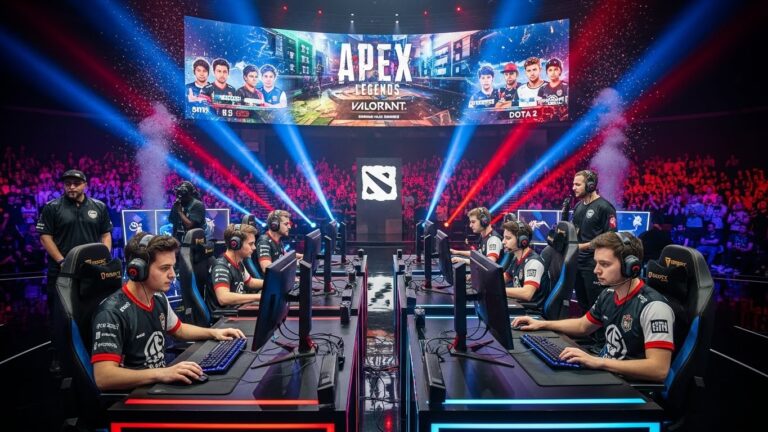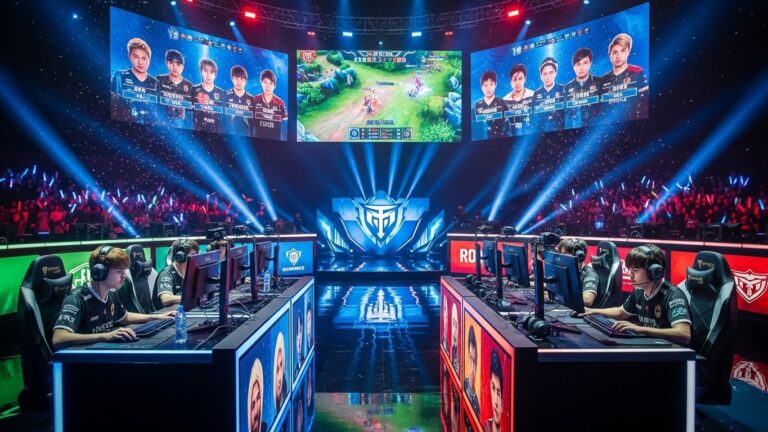
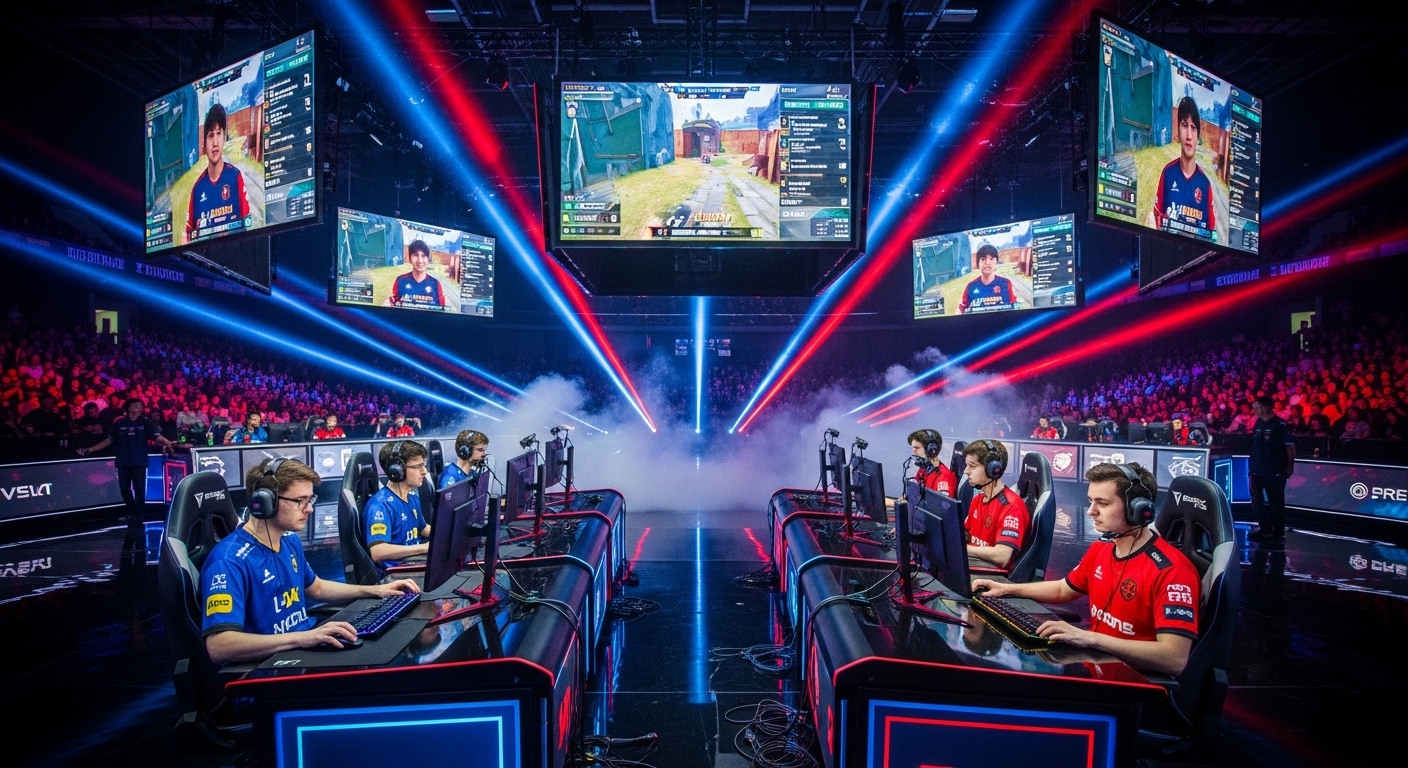
Esports, short for electronic sports, has evolved from a niche activity into a global phenomenon, captivating millions of fans, players, and viewers alike. What was once seen as a hobby or casual pastime has now transformed into a multi-billion dollar industry, with professional leagues, massive tournaments, and sponsorship deals rivaling those of traditional sports. The increasing popularity of competitive gaming has raised questions about its place in the broader cultural landscape, its growth potential, and its impact on society. In this blog post, we will explore the rise of esports, its current landscape, the major factors driving its success, and the ways it is shaping the future of entertainment, education, and professional gaming.
The Origins of Esports
Esports may seem like a relatively new concept to some, but its roots trace back to the early days of video gaming. The first known competitive video game tournament took place in 1972, with the game “Spacewar!” being played at Stanford University. In the following years, gaming competitions began to grow in popularity, with titles like “Street Fighter,” “Starcraft,” and “Quake” gaining dedicated player bases.
However, it wasn’t until the late 1990s and early 2000s that the concept of esports truly began to take shape. The rise of the internet allowed gamers to connect with others worldwide, and online multiplayer games like “Warcraft” and “Counter-Strike” sparked the first real wave of competitive gaming. Around the same time, tournaments and leagues began to form, with events like the World Cyber Games (WCG) and Major League Gaming (MLG) providing a platform for gamers to compete at the highest levels.
The Growth of Esports
The global gaming industry has seen exponential growth over the past two decades, and esports is a major driving force behind this surge. According to Newzoo, the global games market is projected to generate over $200 billion in revenue by 2023, with esports alone contributing billions of dollars in revenue from sponsorships, advertising, merchandise, and ticket sales. The rise of streaming platforms such as Twitch and YouTube Gaming has further fueled this growth, providing players and fans with easy access to live competitions, gaming content, and interactive experiences.
The advent of high-profile esports tournaments, such as the “League of Legends” World Championship, “The International” for Dota 2, and “Fortnite” World Cup, has helped solidify esports as a mainstream form of entertainment. These events regularly attract millions of viewers from around the world, with some competitions offering prize pools that exceed tens of millions of dollars. The 2018 “International” Dota 2 Championship, for example, boasted a prize pool of over $25 million, with the winning team taking home more than $10 million.
Factors Driving Esports’ Popularity
Several factors have contributed to the rapid rise of esports in recent years, making it one of the most exciting and dynamic sectors in the entertainment industry. Let’s explore some of the key elements driving esports’ growth.
1. Accessibility and Technology
One of the primary reasons for esports’ meteoric rise is the accessibility of gaming technology. With the advent of high-speed internet, powerful gaming hardware, and affordable streaming services, almost anyone can participate in or follow competitive gaming. Players no longer need to invest in expensive arcade machines or local LAN events; instead, they can simply log into a game and compete against opponents from around the world. The growth of mobile gaming has also played a significant role, as titles like “Clash Royale” and “PUBG Mobile” have allowed casual gamers to engage in competitive play at the touch of a button.
2. Online Streaming and Content Creation
The rise of platforms like Twitch, YouTube Gaming, and Facebook Gaming has revolutionized the way esports is consumed. These platforms allow players to stream their gameplay live, interact with fans, and showcase their skills to a global audience. Viewers can watch their favorite players and teams in real-time, comment on matches, and even learn new strategies from top-tier competitors.
Streaming has also made esports more accessible to people who may not have been able to attend live events or tournaments. Fans can tune in from anywhere in the world, creating a sense of global community and making esports more inclusive than ever before.
3. Professionalization and Sponsorships
As esports has grown in popularity, it has become increasingly professionalized. Dedicated esports teams, coaches, analysts, and managers now operate within the ecosystem, providing players with the support they need to succeed at the highest level. Teams compete in structured leagues, with regular seasons, playoffs, and championship events, much like traditional sports leagues such as the NFL or NBA.
Sponsorships and partnerships have played a crucial role in legitimizing esports as a professional endeavor. Major brands, such as Coca-Cola, Intel, and Mercedes-Benz, have invested heavily in esports, recognizing the immense potential of the market. Esports athletes, or “pro gamers,” have even secured endorsement deals, personal branding, and media coverage, elevating their status as public figures and influencers.
4. Cultural Acceptance
In many ways, esports has become a cultural movement, transcending the boundaries of gaming and tapping into broader trends in entertainment and digital media. Esports tournaments are now often broadcast on traditional TV networks and even integrated into mainstream sporting events. In South Korea, esports is considered a national pastime, with games like “Starcraft” and “League of Legends” attracting millions of viewers and dedicated fanbases.
The growing cultural acceptance of gaming and esports is also reflected in the increasing popularity of gaming conventions, fan meetups, and social media communities. Platforms like Discord and Reddit have become hubs for fans to engage in discussions, share content, and support their favorite teams and players.
Esports as a Career Path
Esports has become more than just a hobby or casual pastime for many individuals—it is now a legitimate career path. Professional players can earn significant salaries through tournament winnings, sponsorships, and streaming revenue. Top-tier players in games like “League of Legends,” “Counter-Strike: Global Offensive,” and “Overwatch” can earn six-figure salaries or more, not including additional income from endorsements, streaming, and content creation.
In addition to professional gaming, esports has opened up a wide range of career opportunities. Event organizers, content creators, coaches, analysts, and even psychologists are now integral parts of the esports ecosystem. Universities and colleges are also recognizing the potential of esports and offering scholarships, academic programs, and competitive teams to support aspiring players.
The Social and Educational Impact of Esports
Esports has also demonstrated significant potential as an educational tool and a platform for social connection. Many educational institutions now incorporate esports into their curriculum or extracurricular activities, allowing students to develop skills in teamwork, strategic thinking, communication, and leadership. Competitive gaming can also foster a sense of community, with players forming close bonds with teammates and fans.
Moreover, esports has the potential to break down social and geographical barriers. Players from different backgrounds, regions, and cultures can come together to compete on a level playing field. This inclusivity has helped transform esports into a global language, where people from all walks of life can share their passion for gaming.
The Future of Esports
The future of esports looks incredibly promising, with continued growth and expansion on the horizon. As technology advances, we can expect even more immersive gaming experiences, including virtual reality (VR) and augmented reality (AR), which could revolutionize the way esports competitions are played and viewed. Innovations like 5G technology will further enhance the accessibility and performance of online gaming, allowing for faster speeds and lower latency, which will be crucial for the next generation of competitive esports.
Esports will likely continue to diversify, with new games and genres emerging as contenders in the competitive space. Additionally, the integration of esports into mainstream sports events, such as the Olympics, may not be far off. The growing interest in esports from traditional sports organizations and the increasing involvement of major media networks suggest that esports will continue to carve out its place in the cultural zeitgeist.
Conclusion
Esports has transformed from a niche subculture into a global entertainment phenomenon, attracting millions of viewers, players, and sponsors around the world. With its growing influence on the gaming industry, society, and even traditional sports, esports is more than just a passing trend—it’s a cultural revolution. As it continues to evolve, the future of esports looks bright, with new opportunities for players, teams, and fans to engage in the ever-expanding world of competitive gaming. Whether as a spectator or a participant, esports is undoubtedly here to stay, and its impact on the world of entertainment, education, and beyond will continue to grow for years to come.
About the Author