
Introduction
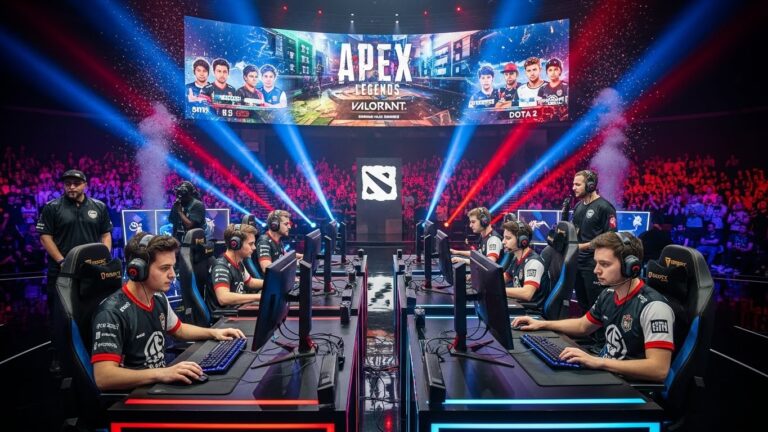
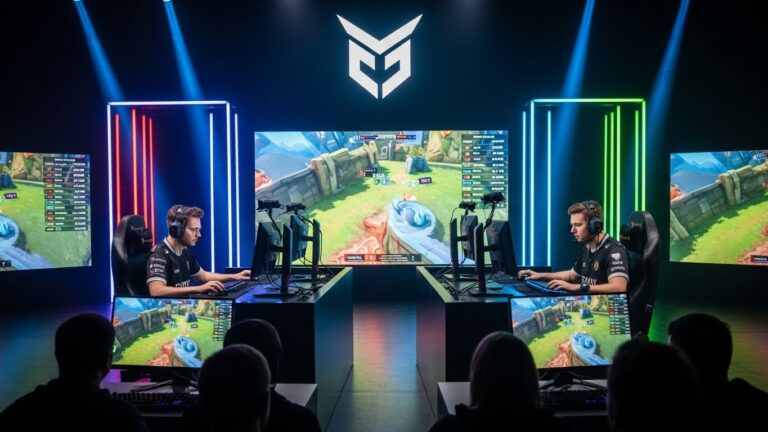
Esports has transformed from a small community of passionate gamers into one of the fastest-growing entertainment industries in the world. What was once limited to arcades and living rooms has evolved into massive arenas, global tournaments, and a thriving digital ecosystem filled with professional players, coaches, analysts, and millions of fans. Competitive gaming now stands shoulder to shoulder with traditional sports, proving that skill, strategy, and teamwork extend far beyond physical fields and into rich virtual worlds. This blog explores the evolution, impact, and future of esports while highlighting why it has become a dominant force in global entertainment.
The Evolution of Competitive Gaming
Esports began humbly with early video games that allowed players to compete for high scores. The first gaming competitions took place in arcades, where gamers would gather to challenge each other on simple but competitive games. As technology advanced, so did the landscape of competitive gaming. The introduction of personal computers and gaming consoles created new possibilities for multiplayer experiences.
By the late 1990s and early 2000s, online gaming changed everything. Titles that offered real-time competition helped esports take shape as a more structured and professional activity. What was once a casual pastime transformed into a serious pursuit demanding skill, strategy, and coordination. Over time, organized tournaments, professional organizations, and global fanbases began to rise, marking the arrival of esports as a mainstream industry.
What Sets Esports Apart
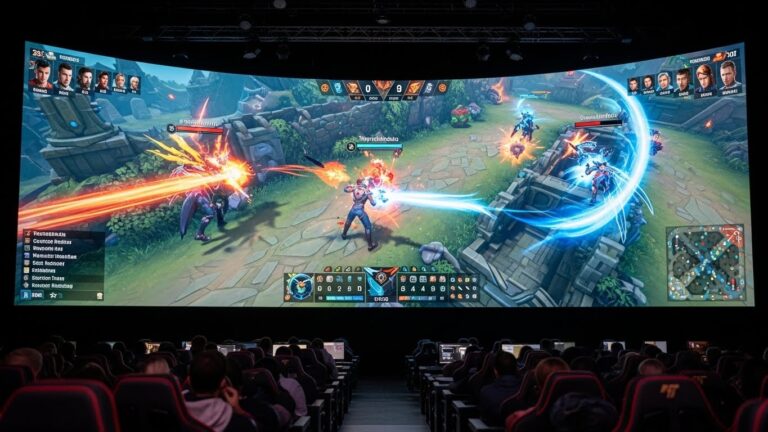
Esports stands unique among competitive activities because it merges strategy, teamwork, and mental agility within digital environments. Unlike traditional sports that rely on physical endurance, esports demands quick reflexes, deep game knowledge, and the ability to make instant decisions under pressure. Many esports titles involve complex mechanics, requiring players to train for hours each day to reach professional levels.
Additionally, esports offers global accessibility. Anyone with a computer or gaming device can participate, opening doors to millions of players regardless of physical ability, location, or background. This accessibility has helped esports grow rapidly and cultivate diverse communities.
The Growth of Esports Technology
Technology is the driving force behind esports. High-performance gaming equipment ensures smooth gameplay, while powerful software enables players to refine strategies. Advanced internet speeds allow competitions to take place across continents in real time.
Streaming platforms have also revolutionized esports by allowing fans to watch live matches and interact with players. These platforms turn gamers into entertainers, commentators, and influencers. Virtual reality and augmented reality are gradually entering the arena, promising more immersive experiences for both competitors and spectators. As technology continues to evolve, esports’ potential becomes virtually limitless.
The Professional Esports Ecosystem
Esports has grown into a well-structured ecosystem that mirrors traditional sports in many ways. Professional players sign contracts, train rigorously, and compete in leagues throughout the year. Teams employ coaches, managers, analysts, and support staff to improve performance. Training facilities resemble those used by traditional athletes, providing players with the resources necessary to sharpen their skills.
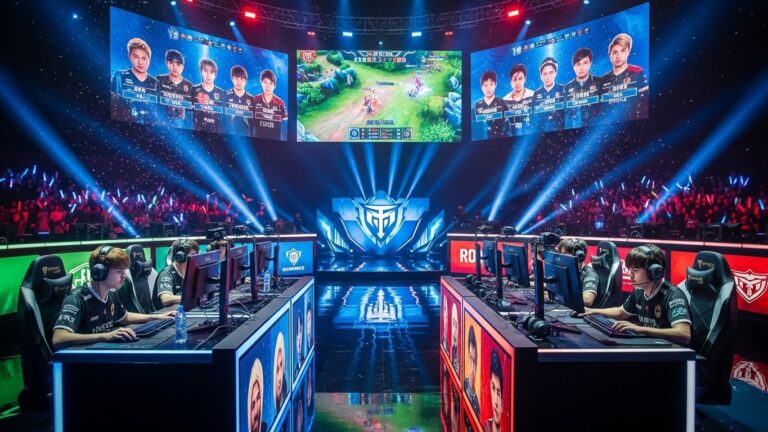
Major tournaments bring together elite teams and offer significant prize pools. These competitions attract millions of viewers worldwide and generate high levels of excitement and community engagement. Sponsorships, team branding, merchandise, and media rights contribute to the financial strength of the esports world.
The Mental and Cognitive Benefits of Esports
Esports provides substantial mental and cognitive benefits. Players develop strong problem-solving abilities, as they must constantly adapt strategies based on opponents’ actions. High-level decision-making occurs in fractions of a second, training players to think quickly and accurately.
Esports also strengthens memory and focus. Many competitive games require players to track multiple pieces of information simultaneously, improving multitasking and concentration. Team-based titles enhance communication, leadership, and cooperation, skills that are valuable in both professional and personal life. When practiced responsibly, esports encourages discipline, goal-setting, and resilience.
Community Building in the Esports World
Esports thrives on community interaction. Online gaming provides a platform where players from different countries and cultures connect. Collaborative gameplay encourages friendships, mentorship, and teamwork. Fans gather through digital platforms to discuss strategies, share gameplay, and support their favorite teams and players.
Live events amplify the sense of community. Stadiums filled with cheering fans create an electrifying atmosphere similar to that of major sports events. These gatherings celebrate not only competition but also creativity, inclusivity, and shared passion. Esports communities often become safe spaces where players feel understood, motivated, and connected.
Esports in Education
Educational institutions around the world have begun to incorporate esports into their programs. Schools and universities now offer courses that explore game design, analytics, marketing, and digital entertainment. Competitive esports teams at academic institutions provide students with opportunities to develop teamwork, leadership, and communication skills.
Scholarships for esports players demonstrate recognition of competitive gaming as a serious discipline. Many students use these opportunities to pursue careers in game development, broadcasting, event management, or professional gaming. Education and esports together foster learning, creativity, and future career growth.
The Economic Power of Esports
Esports contributes significantly to the global economy. Revenue comes from tournament sponsorships, merchandise sales, brand partnerships, digital content creation, gaming equipment, and media rights. Professional teams and organizations generate employment opportunities, ranging from coaching roles to production and broadcasting jobs.
The industry also supports content creators, streamers, influencers, analysts, and event organizers. Esports-related tourism, such as traveling for tournaments or conventions, boosts local economies. As the industry continues to expand, its financial influence grows stronger, making esports a vital player in the entertainment and technology sectors.
Impact of Esports on Global Culture
Esports is deeply woven into modern culture. Many professional players become icons admired for their skill, dedication, and inspiring stories. Competitive gaming has influenced fashion, music, anime, and pop culture. The visual design of esports teams, event stages, and gaming merchandise has created new trends embraced by fans around the world.
Esports also encourages cultural exchange. Players interact across borders, learn from one another, and celebrate diversity. The shared language of gaming unites people regardless of nationality or background. Esports events showcase creativity and inclusivity, promoting a sense of global unity.
Challenges Within the Esports Industry
Despite its rapid rise, esports faces several challenges. Maintaining balance between practice and personal well-being is essential, as players often train for long hours, which can lead to physical strain and mental fatigue. The competitive nature of esports can also result in stress and burnout if not managed responsibly.
Ensuring fair play and sportsmanship is another challenge. Anti-cheating technologies, proper regulation, and clear rules are necessary to maintain integrity. The industry must also focus on creating a supportive and safe environment for young players, protecting them from unhealthy practices.
Streaming and the Influence of Media
Media has played a pivotal role in propelling esports to global fame. Streaming platforms allow players to broadcast gameplay, interact with viewers, and build dedicated fan bases. Professional players often become entertainers, producing content that blends competition with humor, education, and personality.
Commentators and analysts provide insights during tournaments, enriching the viewing experience. Highlight reels, behind-the-scenes content, and interviews deepen fan engagement, making esports more immersive. The fusion of competition and digital content has created a new form of entertainment that attracts millions.
The Future of Esports
The future of esports shines brightly. Advancements in technology will continue to enhance training, gameplay, and spectator experiences. Virtual reality may introduce entirely new genres of competitive gaming. Artificial intelligence could revolutionize game strategies and analytics.
Esports is likely to expand further into mainstream media, education, and international collaboration. As more countries and organizations embrace competitive gaming, it will continue shaping culture, entertainment, and digital lifestyle. The growing emphasis on inclusivity, accessibility, and innovation ensures that esports will remain a key driver of modern entertainment.
Conclusion
Esports has redefined what it means to be an athlete in the digital age. It combines skill, strategy, teamwork, and technology to create a dynamic and inclusive form of competition. From its humble beginnings to its global expansion, esports has proven to be more than a pastime—it is a cultural movement, an economic powerhouse, and a gateway to new opportunities. As the industry continues to evolve, esports will inspire, entertain, and connect millions around the world, solidifying its place as a cornerstone of modern sports and digital entertainment.
About the Author