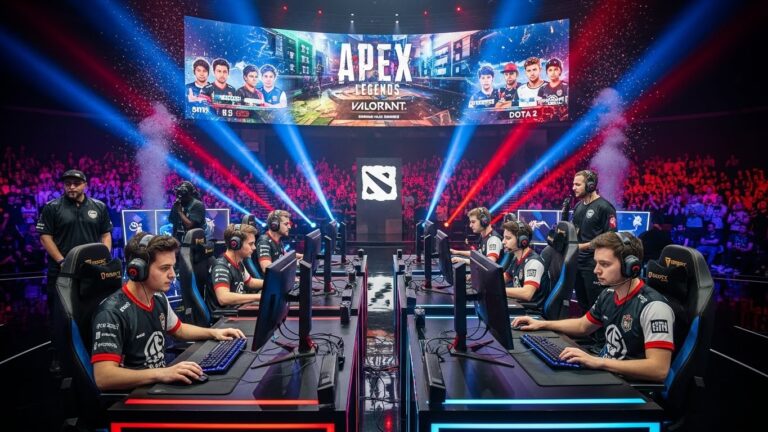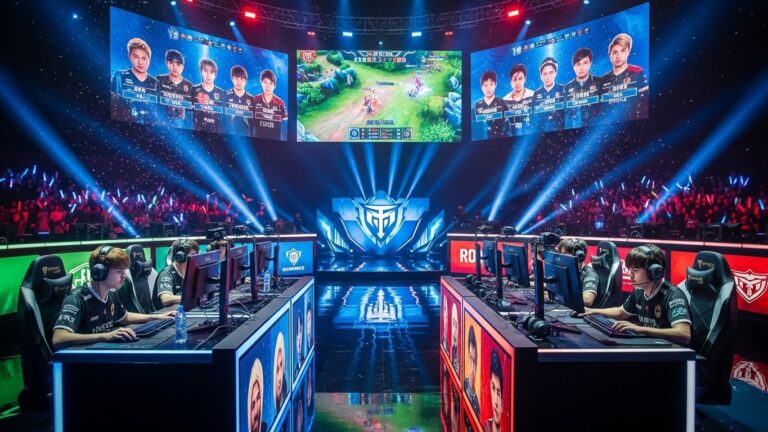
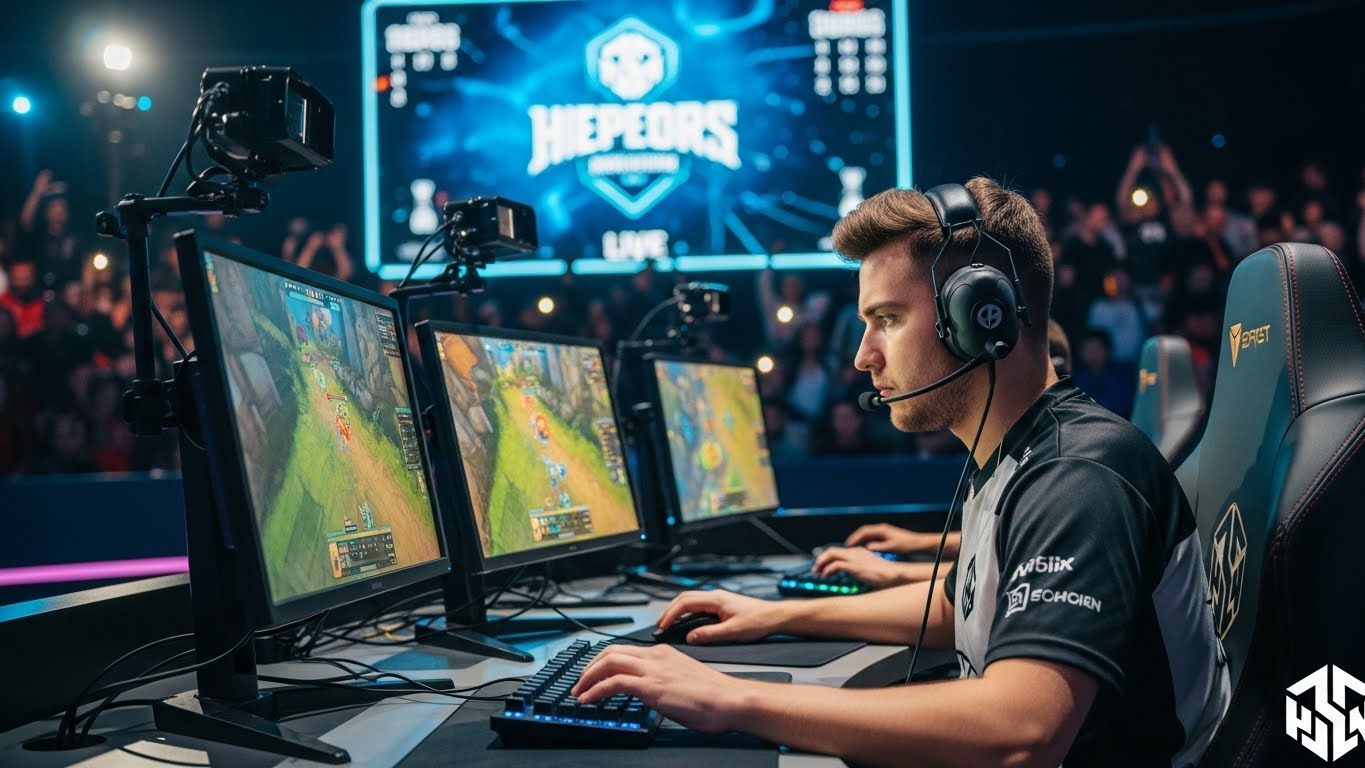
In the last few decades, the world of video games has undergone a monumental transformation. From simple arcade games to complex digital arenas, gaming has evolved from a leisure activity into a globally recognized industry. At the heart of this evolution lies esports, a competitive form of video gaming that has gained massive popularity across the globe. With millions of fans, professional teams, and multi-million-dollar tournaments, esports is reshaping the future of entertainment, sports, and digital culture.
The Rise of Esports: From Leisure to Profession
The idea of competitive gaming isn’t entirely new. In the early days of video games, arcade machines offered a space for players to compete for high scores and recognition. The concept of organized competition began to take shape in the 1990s, but it wasn’t until the advent of the internet and broadband technology in the early 2000s that esports truly began to thrive.
Games like StarCraft and Counter-Strike were among the first to give rise to organized competitions. These early tournaments were relatively small, but they provided a platform for players to showcase their skills on a global stage. In the years that followed, the landscape began to shift. Tournaments grew in scale, attracting both participants and spectators from all corners of the world. As the internet became more accessible, the potential for esports to become a worldwide phenomenon became apparent.
By the 2010s, esports had firmly established itself as a legitimate career path. Titles such as League of Legends, Dota 2, and Overwatch began to dominate the competitive gaming scene, offering players the chance to earn significant prize money, sponsorships, and global recognition. Esports is no longer seen as just a niche or hobby, but rather as a professional industry with substantial financial rewards.
Major Games that Defined the Esports Industry
Different genres of games have carved out their own unique spaces in the esports world. From real-time strategy games to first-person shooters, each genre presents its own set of challenges and appeals to different kinds of players and viewers.
One of the most influential games in the esports landscape is League of Legends (LoL). Developed by Riot Games, LoL has evolved into one of the most watched competitive games globally. The League of Legends World Championship, often referred to as “The Worlds,” attracts millions of viewers every year. The game’s blend of strategy, teamwork, and individual skill has made it a fan favorite in the esports community. Players from across the world compete in regional leagues for the chance to battle in the prestigious Worlds tournament, where teams vie for multi-million-dollar prize pools.
Another game that has played a significant role in esports is Dota 2, developed by Valve Corporation. Known for its complexity and deep strategic elements, Dota 2 tournaments, particularly The International, have become legendary in the esports world. With some of the largest prize pools in esports history—often surpassing $30 million—Dota 2 has cemented itself as a premier game for professional esports players and viewers alike.
In the realm of first-person shooters, Counter-Strike: Global Offensive (CS: GO) has stood the test of time. Released in 2012, CS: GO continues to be one of the most competitive esports games globally. Its fast-paced, tactical nature, coupled with a focus on precision shooting, makes it a favorite among both players and viewers. The game’s iconic ESL Pro League and CS: GO Major Championships have been key in bringing global attention to competitive FPS games.
Additionally, newer games like Fortnite and Apex Legends have introduced the battle royale genre into the competitive esports ecosystem. These games combine survival elements with competitive combat, allowing for thrilling, fast-paced action. As these games have grown in popularity, so too has the competitive scene surrounding them, with tournaments offering large prize pools and engaging live broadcasts.
The Role of Streaming Platforms in Esports Growth
A critical factor behind the rise of esports has been the advent of live streaming platforms. Services like Twitch and YouTube Gaming have transformed esports from a niche interest to a global spectacle. These platforms enable players to stream their gameplay live, allowing fans to watch, interact, and even learn strategies in real-time. Streaming platforms have become a central hub for not just professional gamers, but also casual streamers who contribute to the community by showcasing their skills, personalities, and commentary.
The role of these platforms in growing the esports industry cannot be overstated. Not only do they offer a space for professional tournaments to be broadcast to millions of viewers, but they also provide a way for fans to build communities around their favorite games, players, and teams. The rise of streamers has led to a new wave of esports stars, many of whom have amassed millions of followers and earned substantial sponsorships. Streaming has allowed esports to flourish as a spectator sport, much like traditional sports, enabling fans to engage with the action on a deeper level.
Sponsorship and Financial Growth of Esports
The financial impact of esports is undeniable. What was once considered a niche market has now become a multi-billion-dollar industry. Esports revenue comes from several key sources: sponsorships, advertising, media rights, ticket sales, merchandise, and streaming revenue. Companies across various industries, from tech giants like Intel and Nvidia to beverage brands like Coca-Cola, have invested heavily in esports. These sponsorships not only fuel the growth of esports organizations but also increase the visibility of the games themselves.
The financial success of esports has also led to the creation of professional leagues and teams. These organizations often operate similarly to traditional sports franchises, with coaches, analysts, and support staff helping players refine their skills. Top esports players now command salaries comparable to those of professional athletes, and major esports organizations are regularly signing lucrative sponsorship deals with global brands. In 2021, the esports industry generated over $1 billion in revenue, and this number is projected to continue rising as the industry matures.
The Path to Becoming a Professional Esports Player
Becoming a professional esports player is no easy feat. It requires an immense amount of skill, dedication, and discipline. Players often spend several hours a day practicing their craft, studying their opponents, and analyzing gameplay strategies. This intense level of commitment is necessary in order to stay competitive in an industry where the skill gap between players can be narrow, and the competition is fierce.
Esports players also need to maintain their physical and mental well-being. While esports is often considered a “digital sport,” the intense focus required during gameplay can take a toll on the body and mind. Professional players frequently face challenges such as eye strain, repetitive stress injuries, and burnout. As the industry has evolved, there has been a growing recognition of the importance of mental health and wellness programs for players, including therapy and stress management support.
Esports and the Future of Entertainment
Esports has already made a significant impact on the entertainment industry, but its potential for growth is far from exhausted. As technology continues to advance, new forms of competitive gaming are likely to emerge. Virtual reality (VR) and augmented reality (AR) have the potential to revolutionize the way we experience esports, offering more immersive and interactive environments for both players and viewers. VR esports could bring an entirely new dimension to competitive gaming, allowing players to physically interact with virtual environments while competing against each other.
In addition to VR, the rise of mobile gaming is also changing the landscape of esports. Games like PUBG Mobile and Mobile Legends have demonstrated that competitive gaming is no longer restricted to high-end gaming PCs or consoles. Mobile esports has opened up opportunities for players from regions with limited access to expensive gaming equipment, enabling them to compete on an equal footing with their counterparts in other parts of the world. As mobile esports continues to grow, it will further solidify gaming as a universal form of entertainment accessible to anyone with a smartphone.
Esports as a Cultural and Social Movement
Esports has also become a powerful cultural and social movement. The community surrounding esports is diverse and global, with players, fans, and influencers from all walks of life coming together to celebrate their love for gaming. Esports has provided a platform for people to connect, share their passions, and form lasting friendships. Many players, especially in popular games like LoL and Fortnite, have become global icons, attracting millions of followers across social media platforms.
Esports has also played a key role in breaking down traditional cultural barriers. In many regions, esports has provided an opportunity for people from different countries, backgrounds, and languages to come together through a shared love of gaming. The competitive spirit of esports fosters a sense of unity and collaboration that transcends geographic and cultural divides. This unique aspect of esports has contributed to its growing popularity, particularly among younger generations who value digital connectivity.
Challenges and the Road Ahead for Esports
While esports has experienced tremendous growth, it still faces several challenges. One of the primary issues is the lack of regulation and standardization. Unlike traditional sports, where there are established leagues, teams, and governing bodies, esports tournaments often operate independently, leading to inconsistencies in tournament formats, prize distribution, and scheduling. This lack of structure can sometimes create confusion and frustration for players and fans alike.
Another challenge is the issue of player burnout. The demanding schedules, intense competition, and constant pressure to perform can take a toll on players’ mental and physical health. As esports continues to grow, it will be crucial for organizations to implement player welfare programs to ensure the well-being of their athletes.
About the Author