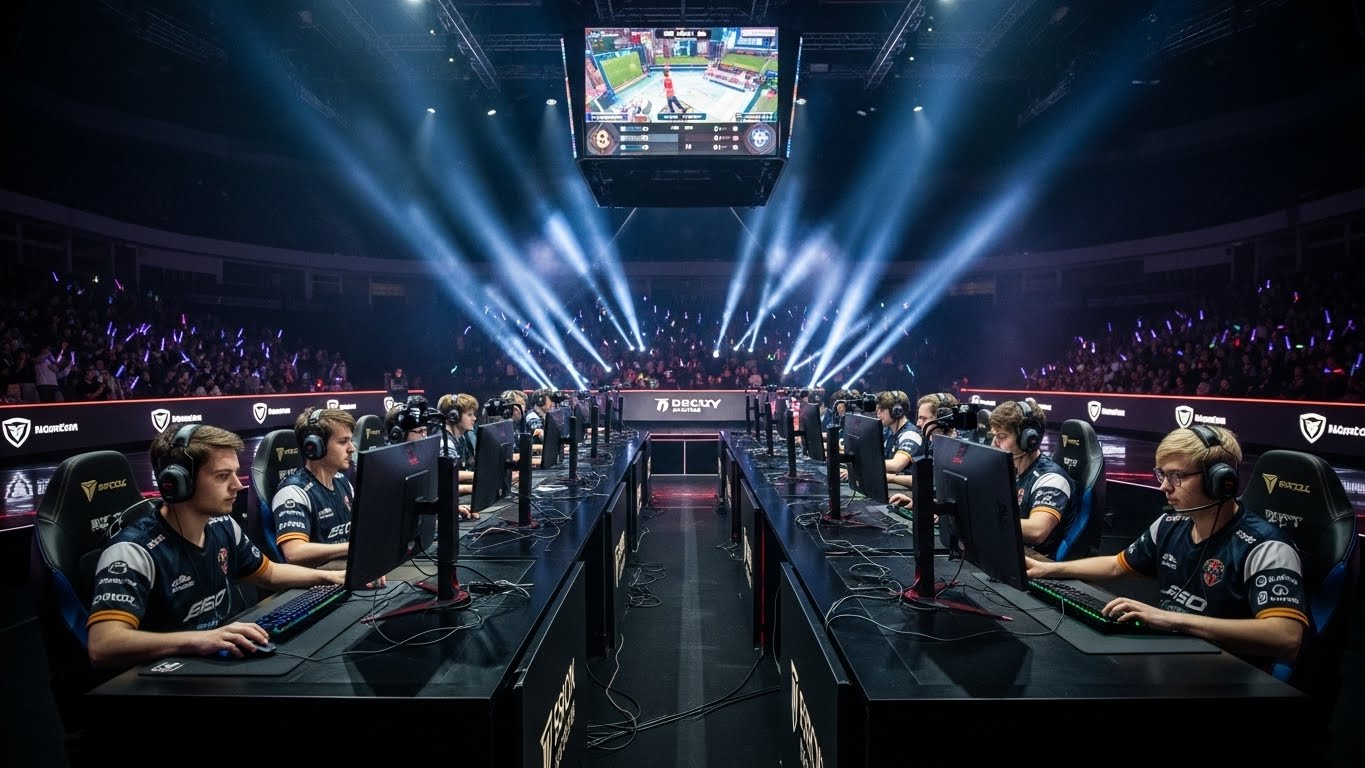
Introduction: The Evolution of Gaming into a Global Phenomenon
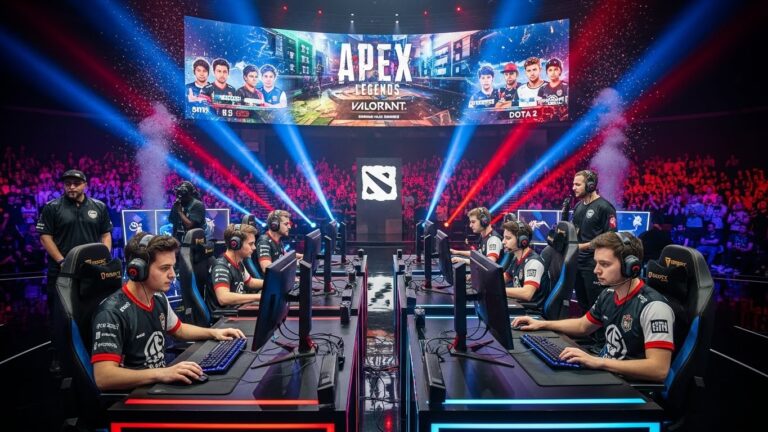
In recent years, the world has witnessed an extraordinary transformation in entertainment and sports with the rise of esports. What was once considered a niche hobby for passionate gamers has now grown into a billion-dollar industry attracting millions of fans and players globally. Esports blends the thrill of competition, the strategy of traditional sports, and the accessibility of digital platforms, creating an entirely new form of entertainment. Today, professional gamers are recognized as athletes, tournaments fill stadiums, and millions of viewers tune in online to witness high-level gameplay. Esports is no longer just a pastime; it has become a legitimate and influential cultural force shaping the future of gaming, technology, and social engagement.
The Origins of Esports
Esports has roots going back several decades. In the 1980s, arcade competitions provided the first organized gaming contests, where players competed for high scores or local recognition. These early tournaments were limited in reach but established the competitive spirit among gamers. The late 1990s and early 2000s saw a significant shift with the rise of online multiplayer games such as StarCraft, Counter-Strike, and Warcraft III. The ability to play against opponents across the globe created an international community, paving the way for competitive gaming on a larger scale.
As internet speeds improved and gaming hardware advanced, esports evolved rapidly. The introduction of live streaming platforms in the 2010s, such as Twitch, revolutionized the industry by allowing millions of viewers to watch professional gamers in real time. This accessibility fueled a surge in popularity, turning competitive gaming into a spectator sport with global reach.
Popular Esports Genres and Games
Esports encompasses a wide variety of game genres, each offering unique gameplay experiences and competitive dynamics. Multiplayer Online Battle Arena (MOBA) games, including League of Legends and Dota 2, are among the most popular. These games emphasize teamwork, strategic planning, and quick decision-making. Players must coordinate with their teammates while making split-second choices to achieve victory, creating a high-stakes environment that is thrilling to both play and watch.
First-Person Shooter (FPS) games, such as Counter-Strike: Global Offensive, Call of Duty, and Valorant, demand precision, reflexes, and tactical thinking. FPS competitions are fast-paced and intense, keeping audiences on the edge of their seats. Battle royale games, like Fortnite and Apex Legends, combine survival mechanics with dynamic gameplay, attracting younger audiences and casual players. Other genres, including fighting games, card-based games, and sports simulations, diversify the esports landscape and ensure there is a game for nearly every type of gamer.
The Structure of Esports Competitions
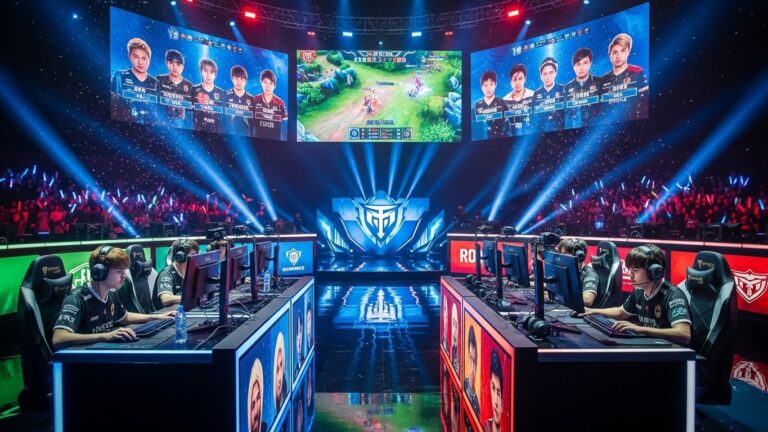
Esports tournaments today mirror the organization and professionalism of traditional sports leagues. Professional teams are often contracted by gaming organizations that provide salaries, coaching, training facilities, and mental health support. Competitions range from local events to global championships, sometimes offering multi-million-dollar prize pools. Tournaments like The International, a Dota 2 competition, showcase the scale and popularity of esports, drawing millions of viewers and garnering significant media attention.
Unlike traditional sports, esports can evolve rapidly. New games rise to prominence within months, and frequent updates or patches can change game mechanics, requiring players to adapt constantly. This dynamic nature keeps competitions fresh and ensures that esports remains engaging for both players and fans.
The Role of Streaming and Digital Platforms
Streaming has been instrumental in the growth of esports. Platforms like Twitch, YouTube Gaming, and other digital services allow fans to watch live competitions, interact with players, and become part of an online community. The interactive nature of streaming sets esports apart from traditional sports, giving viewers a sense of participation and connection.
Professional players benefit from streaming as well. Beyond tournament winnings, many earn income through subscriptions, sponsorships, brand endorsements, and donations from fans. The combination of competitive skill and personal branding has transformed successful gamers into influential public figures, creating a new type of celebrity in the digital age.
Economic Impact and Career Opportunities
Esports has become a significant economic driver with multiple revenue streams. Sponsorship deals, advertising, merchandise sales, and ticketed events contribute to a multi-billion-dollar industry. Major companies across sectors, including technology, fashion, and consumer goods, invest in esports to reach digitally engaged audiences.
Career opportunities extend far beyond professional gaming. Coaches, analysts, commentators, event organizers, content creators, and marketing professionals all play vital roles in the esports ecosystem. Additionally, esports academies and training programs have emerged to provide structured education, helping aspiring players develop skills in strategy, communication, and mental resilience. This professionalization has made gaming a viable career path for many young people around the world.
Challenges Facing the Esports Industry
Despite its rapid growth, esports faces several challenges. Mental health is a critical concern for professional players who often face long practice hours, intense competition, and pressure from fans and sponsors. Burnout and stress-related issues are common, making mental health support and wellness programs essential for sustainable careers.
Regulation is another challenge. Esports operates internationally, meaning there are different legal frameworks governing contracts, gambling, sponsorships, and player rights. Consistency in rules and regulations is still developing, and disputes between players, teams, and organizers occasionally arise. Additionally, the debate over whether esports qualifies as a “real sport” continues to influence its perception and acceptance by traditional sporting institutions.
Esports in Education
Esports is increasingly intersecting with education, offering opportunities for students to develop both technical and soft skills. Many universities now offer esports scholarships, competitive teams, and academic programs in game design, digital media, and strategy. These programs combine traditional learning with hands-on experience in esports, preparing students for careers in technology, media, and business.
High schools are also introducing esports clubs and competitions, helping students develop teamwork, critical thinking, leadership, and communication skills. Unlike some traditional sports, esports provides a platform for students who may not be athletically inclined but excel in strategy, problem-solving, and digital skills. This inclusivity highlights esports as a tool for education and personal development.
The Cultural Influence of Esports
Esports has become a cultural phenomenon, influencing fashion, music, and entertainment. Professional gamers are now celebrities, and esports tournaments rival traditional sports events in terms of production value and audience engagement. Fans engage through cosplay, fan art, and community content, creating shared experiences that extend beyond the games themselves.
Moreover, esports challenges traditional ideas of athleticism. Skill, strategy, reflexes, and teamwork in the digital arena demonstrate that competitive excellence is not limited to physical sports. This has broadened the definition of competition and inspired wider acceptance of gaming as a legitimate and impactful pursuit.
The Future of Esports
The future of esports is bright and filled with innovation. Emerging technologies like virtual reality and augmented reality promise to create immersive competitive experiences, taking tournaments to a new level. Artificial intelligence and analytics tools are also expected to enhance player performance, strategic planning, and audience engagement.
Global accessibility will continue to fuel growth. Unlike traditional sports, esports can be played anywhere with a computer or console and an internet connection. This inclusivity removes barriers related to location, physical ability, and socioeconomic status, making esports a truly global phenomenon.
Conclusion: Esports as a Modern Era Revolution
Esports represents a paradigm shift in entertainment, competition, and culture. By combining skill, strategy, technology, and community engagement, it has created a new form of competitive experience that resonates with millions of people worldwide. Professional gamers are recognized as athletes, esports tournaments rival traditional sports in scale, and digital platforms connect audiences like never before.
While challenges such as mental health, regulation, and societal perception remain, the growth and cultural significance of esports cannot be ignored. As technology continues to advance and audiences expand, esports is poised to shape the future of competition, education, and entertainment in the digital age. In this modern era, esports is more than a game; it is a global movement, redefining the way we compete, connect, and celebrate human potential in a virtual world.
About the Author