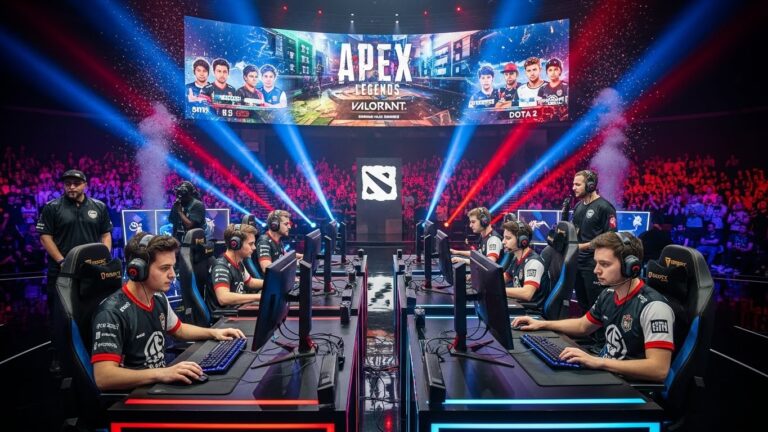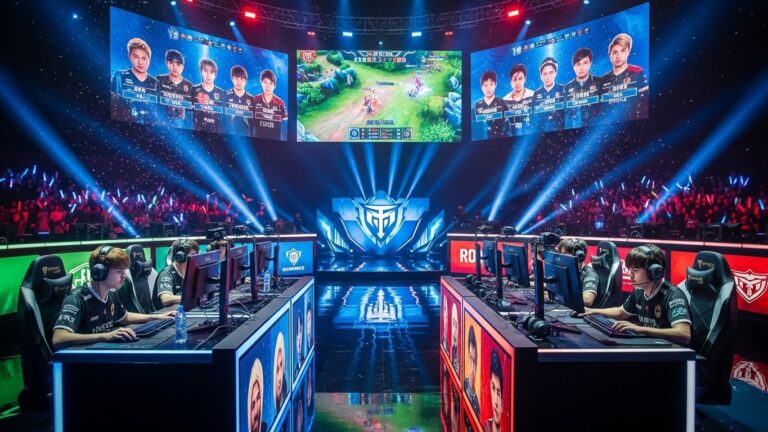
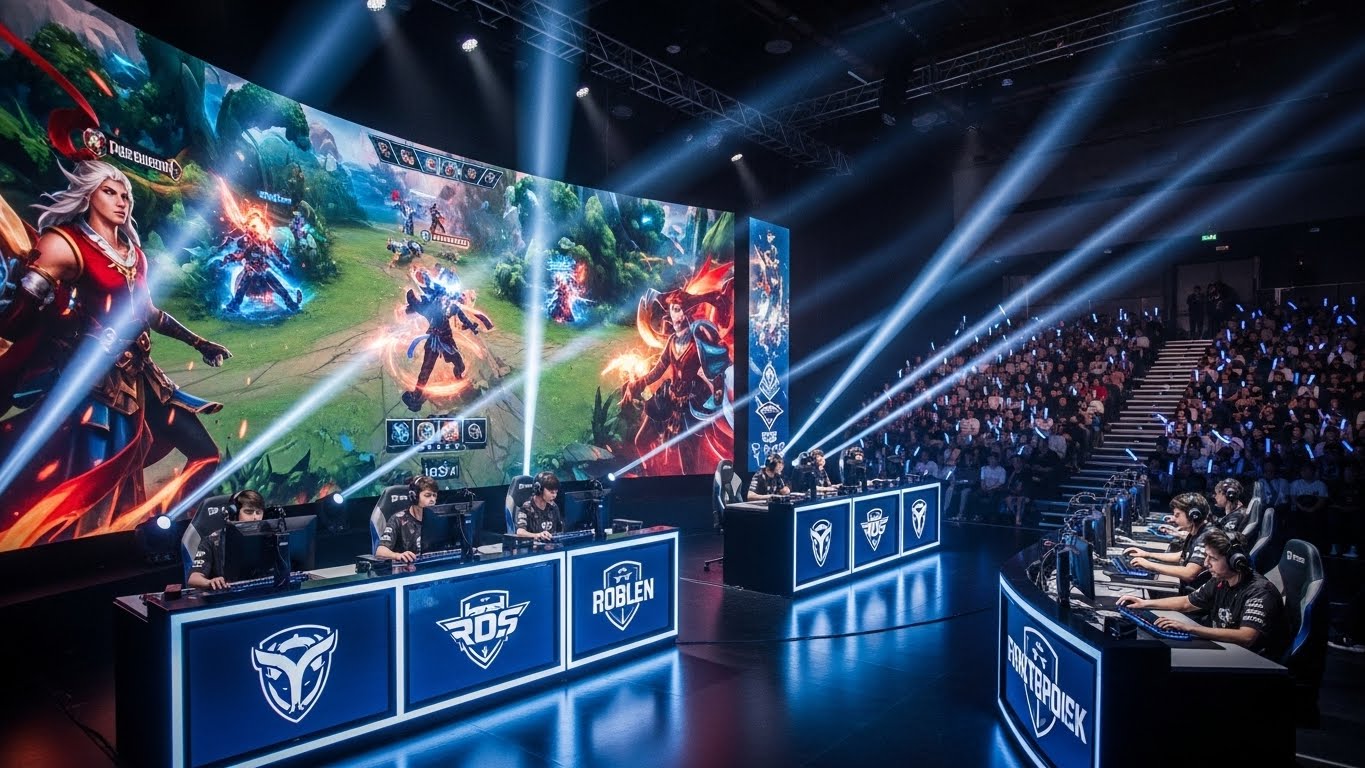
Esports, once a niche hobby, has exploded into a global phenomenon, transforming from a pastime enjoyed by a small group of enthusiasts to a full-fledged industry worth billions of dollars. This digital revolution has not only redefined how we view competitive gaming but has also reshaped the cultural and economic landscape of the entertainment world. In this blog, we will explore the evolution of esports, its impact on the global economy, its growing role in education, and its future in the broader context of entertainment.
The Evolution of Esports: From Arcade Games to Global Arenas
Esports, short for electronic sports, refers to organized, multiplayer video game competitions, particularly between professional players, individually or as teams. While the term “esports” might seem like a recent innovation, its roots go back to the early days of video gaming. The late 1970s and early 1980s saw the birth of competitive gaming, primarily in arcades. Games like Space Invaders and Pac-Man inspired high-score competitions, but it wasn’t until the early 90s that the concept of organized tournaments began to take shape.
The real breakthrough for esports came in the late 1990s with the rise of multiplayer games like StarCraft and Quake. These games allowed players to compete online, laying the foundation for the esports ecosystem we recognize today. In 1997, the first major esports event, the Red Annihilation tournament for Quake, marked the beginning of a new era in competitive gaming.
However, it was the early 2000s that saw the true rise of esports as a legitimate industry. With the advent of fast internet connections, games like Warcraft III, Counter-Strike, and League of Legends propelled esports into the mainstream. By the time the first League of Legends World Championship was held in 2011, the industry had already begun attracting significant investments, sponsorships, and media attention.
The Globalization of Esports
One of the defining features of esports is its global reach. Unlike traditional sports, where regional and national borders often define the scope of competition, esports transcends geographical limitations. Players from different corners of the world can compete against each other in real-time, creating a truly international competitive arena.
The development of global esports leagues and tournaments, such as The International (Dota 2), League of Legends World Championship, and Overwatch League, has further cemented the global appeal of esports. These events draw massive audiences both in-person and through streaming platforms, attracting millions of viewers worldwide. For example, the League of Legends World Championship finals have seen viewership numbers rivaling major traditional sports events, such as the Super Bowl.
The growth of esports has also given rise to professional gaming organizations and teams. These teams, such as Cloud9, Team Liquid, and Fnatic, now operate on a global scale, recruiting top players from various countries and offering lucrative salaries, sponsorships, and endorsement deals. The rise of esports stars like Faker, Ninja, and S1mple has turned gamers into celebrities, with massive followings on social media and streaming platforms like Twitch and YouTube.
The Economic Impact of Esports
Esports is not only a cultural phenomenon; it has become a major player in the global economy. The esports industry is projected to generate over $1.6 billion in revenue in 2025, with much of this revenue coming from sponsorships, advertising, media rights, and merchandise sales.
Sponsorship deals play a crucial role in funding esports tournaments, teams, and events. Major brands such as Coca-Cola, Intel, Red Bull, and Nike have all invested heavily in esports, recognizing its growing influence and potential to reach younger, tech-savvy audiences. These sponsorships not only provide financial support but also help legitimize esports as a mainstream entertainment form.
The rise of streaming platforms like Twitch has also contributed significantly to the financial success of esports. These platforms allow gamers to broadcast their gameplay to millions of viewers, and streamers can monetize their content through ads, donations, and subscriptions. Top streamers can earn millions of dollars annually, with some, like Ninja and Shroud, even securing exclusive streaming deals with platforms like Mixer and Twitch.
In addition to sponsorships and streaming revenue, esports tournaments offer large prize pools, sometimes reaching tens of millions of dollars. The International 2021, the world championship for Dota 2, had a prize pool exceeding $40 million, making it one of the richest esports tournaments in history. These prize pools not only incentivize professional players to compete at the highest level but also help elevate the prestige of esports tournaments.
The growth of esports has also led to the creation of jobs in various sectors, including event production, broadcasting, marketing, and game development. From analysts and commentators to content creators and social media managers, the esports industry offers a wide range of career opportunities.
Esports and Education: Bridging the Gap Between Gaming and Learning
As esports continues to grow, its integration with education has become more prominent. Many schools, colleges, and universities around the world have recognized the potential of esports to foster teamwork, strategic thinking, and digital literacy. In fact, the number of universities offering esports scholarships has skyrocketed in recent years, allowing students to pursue careers in gaming while earning a degree.
Esports programs at the collegiate level have become a new avenue for students to gain scholarships, with universities offering esports-specific degrees in fields such as game design, esports management, and broadcasting. These programs not only allow students to pursue careers in esports but also provide them with the skills necessary to thrive in a rapidly evolving digital landscape.
Furthermore, esports is increasingly being used as an educational tool in schools. Educators have begun to recognize the value of competitive gaming in teaching important life skills, such as collaboration, critical thinking, and problem-solving. Games like Minecraft, League of Legends, and Overwatch are being used in classrooms to encourage teamwork, creativity, and communication among students.
Esports is also providing opportunities for students to learn about the business side of the gaming industry. As the industry grows, there is an increasing demand for professionals in fields such as esports marketing, broadcasting, and event management. Many students are now pursuing careers in these areas, which were once considered unconventional career paths.
The Future of Esports: Virtual Reality, Augmented Reality, and Beyond
The future of esports is undoubtedly exciting, with new technologies like virtual reality (VR) and augmented reality (AR) set to redefine how we experience competitive gaming. VR and AR have the potential to make esports more immersive and interactive, creating new possibilities for both players and fans.
Imagine a world where fans can watch esports events from the perspective of their favorite player, stepping into the game itself through VR headsets. This level of immersion could revolutionize the way esports tournaments are broadcasted, offering viewers a more personalized and engaging experience.
Moreover, advancements in artificial intelligence (AI) and machine learning could further enhance esports gameplay. AI-powered tools may help players improve their skills, analyze strategies, and gain a competitive edge. Machine learning algorithms could also be used to predict outcomes in esports matches, adding another layer of excitement for fans and analysts alike.
Another area of growth for esports is the development of mobile gaming. With smartphones becoming increasingly powerful, mobile esports are expected to grow in popularity. Games like PUBG Mobile and Clash Royale already have large followings, and the accessibility of mobile gaming makes it an attractive option for both casual and competitive gamers.
Esports may also continue to integrate with other forms of entertainment, such as music, film, and live events. Esports tournaments could become larger-than-life spectacles, with live performances from artists, celebrity guest appearances, and elaborate stage productions. The merging of gaming with mainstream entertainment could further solidify esports as a dominant force in global culture.
Conclusion: Esports as the Future of Entertainment
Esports has come a long way since its humble beginnings in arcade gaming competitions. Today, it is a global industry that is reshaping the entertainment landscape and providing new opportunities for players, fans, and businesses alike. The economic impact, cultural influence, and educational benefits of esports make it clear that this digital revolution is far from over.
As technology continues to advance and the esports ecosystem evolves, it is likely that the industry will continue to grow and diversify. Esports is not just a trend; it is a fundamental shift in the way we view entertainment, competition, and community. Whether you’re a seasoned pro, a casual gamer, or someone who’s just getting started, esports offers a dynamic and exciting future—one that is ready to be explored by millions around the world.
The next frontier for esports may be more immersive, more interactive, and more integrated with other entertainment forms than ever before. The digital revolution of esports has only just begun, and the world is watching as it continues to unfold.
About the Author