Introduction
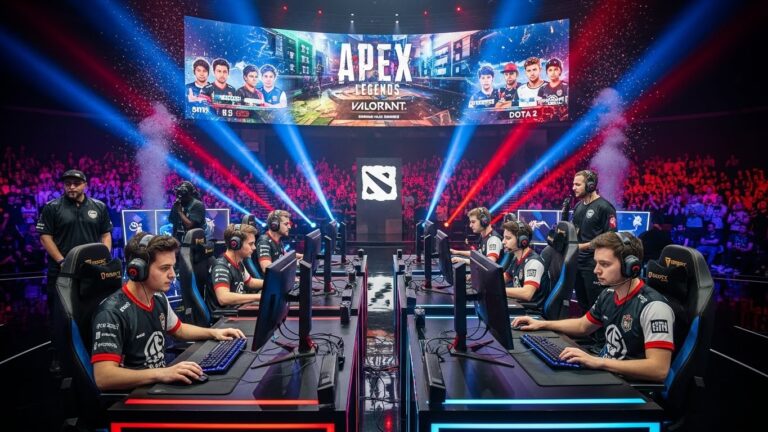
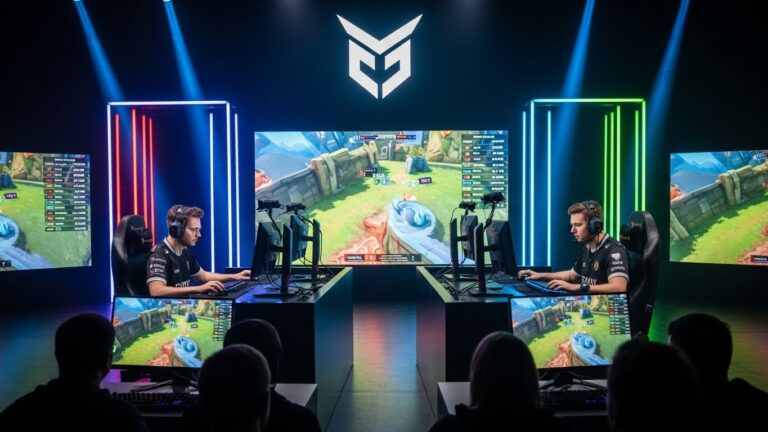
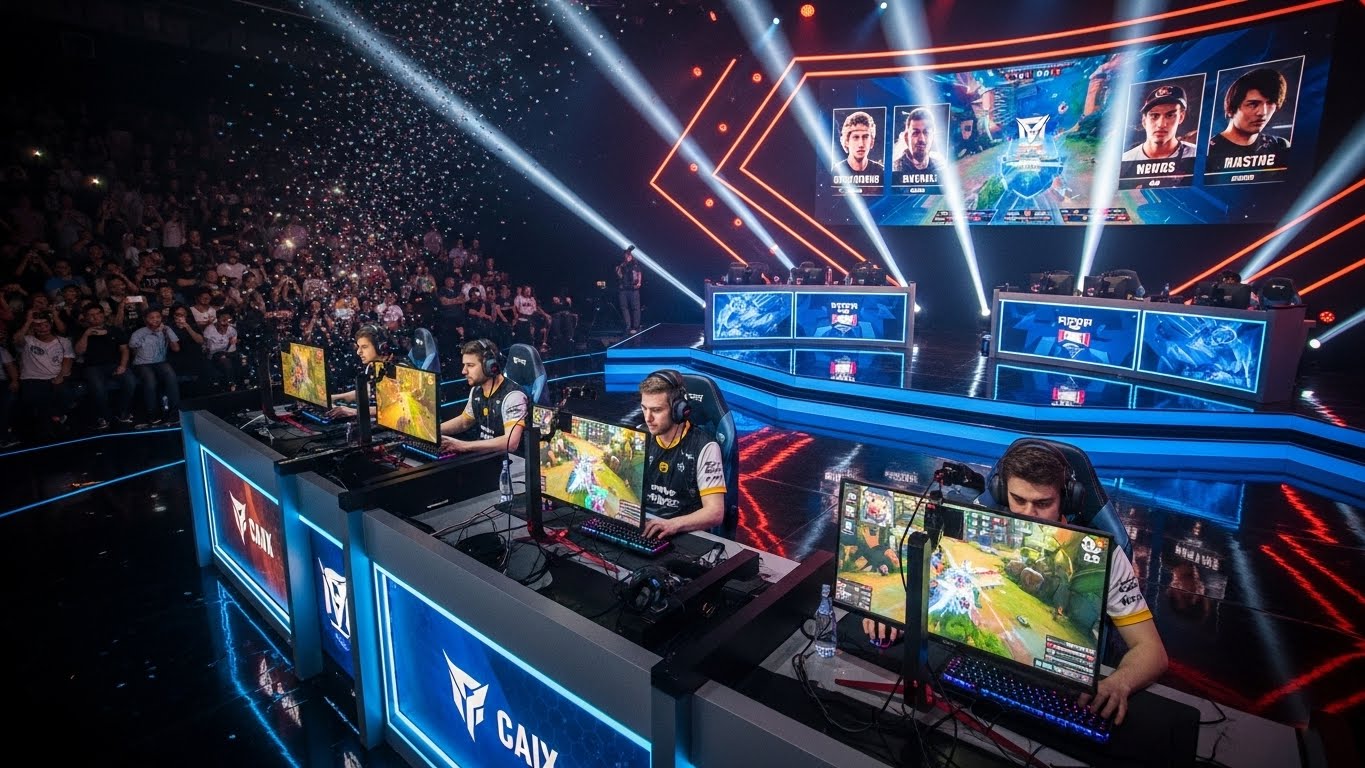
Esports, or electronic sports, has transitioned from a niche hobby to a global phenomenon, captivating millions of players and spectators worldwide. With the rise of live streaming platforms, international tournaments, and professional gaming leagues, esports has cemented its place as a significant segment of the entertainment industry. What started as casual competitions in arcades has now evolved into highly sophisticated, televised events with multi-million dollar prize pools. This blog explores the rise of esports, its impact on traditional sports, the community it has built, and the exciting future that lies ahead.
The Rise of Esports: From Hobby to Global Industry
Esports has roots that can be traced back to the early days of video gaming. In the 1970s and 1980s, competitive gaming existed mainly in small, localized tournaments, with arcade games like Space Invaders and Pac-Man sparking the first wave of player competitions. However, it wasn’t until the late 1990s and early 2000s that esports began to take its modern form, particularly with the advent of multiplayer online games such as StarCraft and Counter-Strike. These games encouraged players from across the globe to compete against one another, and the rise of platforms like Battle.net and Xbox Live provided the infrastructure for competitive play to grow.
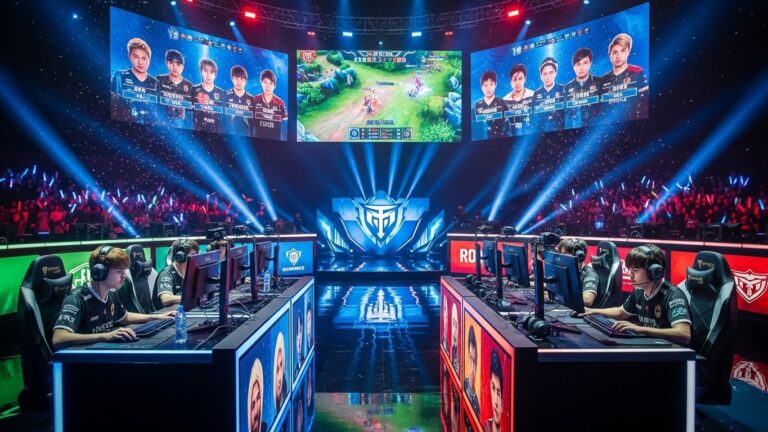
Fast forward to the present day, and esports is an industry valued in the billions of dollars. Events like The International (Dota 2’s annual tournament), League of Legends World Championship, and Fortnite World Cup have shattered records for viewership and prize money. Major esports teams, backed by multi-national organizations and brands, have emerged as household names, with players achieving celebrity status. Esports is now viewed not just as a subculture but as a major component of the entertainment landscape, rivaling traditional sports in terms of popularity and cultural relevance.
The Technology Behind Esports
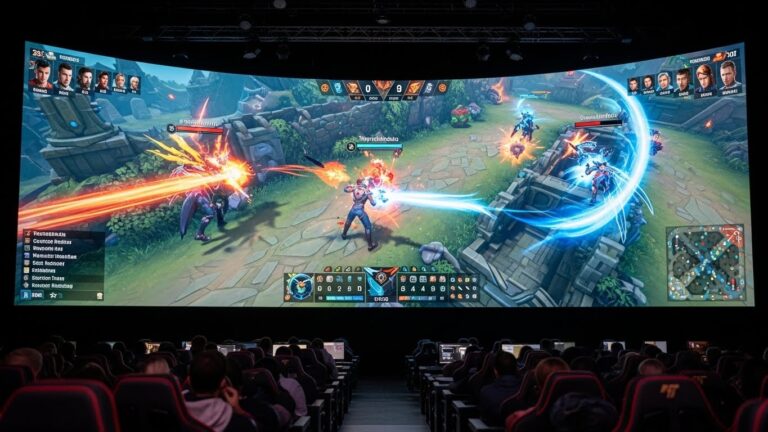
At the heart of esports’ explosive growth lies the technology that powers it. Gaming platforms, powerful PCs, and high-speed internet connections have created an environment where both players and viewers can engage seamlessly. Games like Overwatch, Dota 2, Fortnite, and Call of Duty have become the staples of competitive gaming, offering engaging, fast-paced gameplay that appeals to players and fans alike.
The importance of streaming technology cannot be overstated in the esports world. Platforms like Twitch, YouTube Gaming, and Facebook Gaming have become essential for both broadcasting competitions and fostering player communities. These platforms allow anyone with a decent internet connection to stream their gameplay, interact with fans, and build a personal brand. In turn, this accessibility has democratized the esports scene, creating new opportunities for amateur players and streamers to make a name for themselves.
Streaming also plays a crucial role in audience engagement, with millions tuning in to watch live events, participate in chat discussions, and support their favorite teams. The interaction between players and fans is a key feature that differentiates esports from traditional sports, fostering a sense of closeness and community that is often hard to replicate in other forms of entertainment.
Esports and Traditional Sports: A Blurring of the Lines
Esports has often been compared to traditional sports, both in terms of its structure and its cultural impact. Like traditional sports, esports involves highly competitive gameplay, with professional players competing in leagues and tournaments for large prizes. The success of esports events, such as League of Legends World Championship or The International, has garnered the attention of major sports networks, further legitimizing esports as a form of entertainment.
However, unlike traditional sports, esports offers a unique combination of skill, strategy, and technology. While physical prowess may not be as important in esports as it is in sports like football or basketball, the mental acuity required to succeed in competitive gaming is immense. Players must possess sharp reflexes, strategic thinking, and the ability to work within a team, all of which are necessary to outplay opponents.
In recent years, traditional sports organizations have begun to invest heavily in esports. Football clubs such as Manchester City and Paris Saint-Germain have established their own esports teams, while brands like Red Bull and Coca-Cola are sponsoring tournaments and players. This cross-pollination of esports and traditional sports is likely to continue as both industries seek to expand their global reach.
Esports and the Community: Building Bonds Beyond the Game
One of the most powerful aspects of esports is the community it has fostered. While many view esports as a competitive endeavor, it is just as much about social interaction. Whether through team play, fan gatherings, or online streaming, esports has created a global network of like-minded individuals who share a passion for gaming.
Communities around games like League of Legends, Valorant, and Minecraft offer players opportunities to bond, share strategies, and form lasting friendships. Esports fans often see themselves as part of a tribe, rooting for their favorite teams, discussing gameplay tactics, and participating in online forums. These communities can feel incredibly inclusive, with players of all skill levels coming together to enjoy the game.
Moreover, the rise of streaming platforms like Twitch has made it possible for fans to engage directly with professional players. Streamers can chat with their viewers, answer questions, and build personal connections, further strengthening the relationship between player and fan. This sense of community is perhaps one of the most unique aspects of esports, differentiating it from other forms of entertainment.
The Economic Impact of Esports
Esports has become a significant economic force, with an estimated value of over $1 billion globally. The industry includes everything from game development, broadcasting, sponsorships, and merchandise sales, to event management, ticket sales, and player salaries. The rapid growth of esports has also led to the creation of new jobs, including event organizers, analysts, coaches, and social media managers.
Sponsorship deals are a key driver of revenue in esports, with global brands such as Intel, Nike, and Mercedes-Benz pouring millions into the industry. These companies recognize the vast potential of esports to reach younger, tech-savvy audiences who are more likely to engage with their products. As the esports audience continues to grow, these sponsorships will likely become even more lucrative.
In addition to corporate investment, esports has also influenced the world of broadcasting. Platforms like Twitch and YouTube have become primary destinations for viewers to watch their favorite esports events. These platforms generate significant ad revenue, creating a sustainable ecosystem for both streamers and event organizers. As the audience for esports continues to expand, the financial opportunities for everyone involved in the ecosystem will only grow.
Esports and the Future: Where Is It Headed?
The future of esports looks incredibly promising. As technology continues to evolve, we can expect to see even more immersive experiences for players and fans. Virtual reality (VR) and augmented reality (AR) could play a major role in the future of gaming, allowing for more interactive and lifelike gaming environments. These innovations could make esports even more engaging, offering fans the chance to experience tournaments from the player’s perspective or compete in virtual environments that mirror the real world.
Moreover, as the global esports audience continues to expand, the mainstream acceptance of esports will likely increase. Universities and colleges are already offering scholarships for esports athletes, and in some countries, esports even appears in the curriculum as a legitimate career path. As esports becomes more institutionalized, it could become an even more integral part of education, entertainment, and career development.
Esports is also expected to become more inclusive in terms of gender and representation. Historically, esports has been male-dominated, but this is changing. More women are entering the competitive gaming scene, and initiatives aimed at promoting diversity and inclusion are becoming more common. This change is important not only for the growth of the community but also for ensuring that esports remains an accessible and welcoming environment for all.
Conclusion
Esports has firmly established itself as a global force in the entertainment industry. From humble beginnings in arcade competitions to multi-million-dollar tournaments and professional leagues, esports has proven that it’s more than just a passing trend. With its unique combination of technology, competition, and community, esports has reshaped the way we think about gaming, entertainment, and even sports.
As technology advances and the esports industry continues to grow, it will undoubtedly shape the future of both gaming and entertainment. From building global communities to creating new economic opportunities, esports is set to remain at the forefront of modern entertainment for years to come. As fans, players, and stakeholders continue to push the boundaries of what’s possible, the future of esports looks brighter than ever before.
About the Author