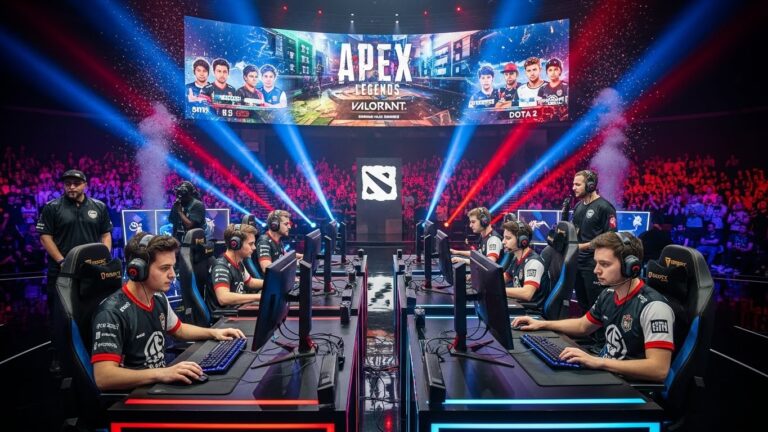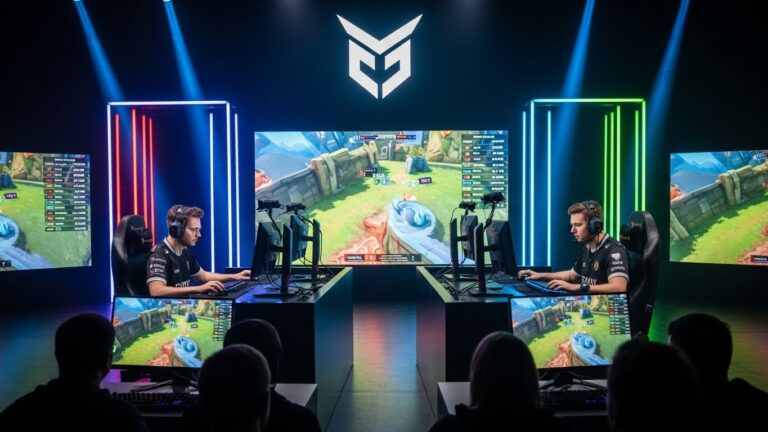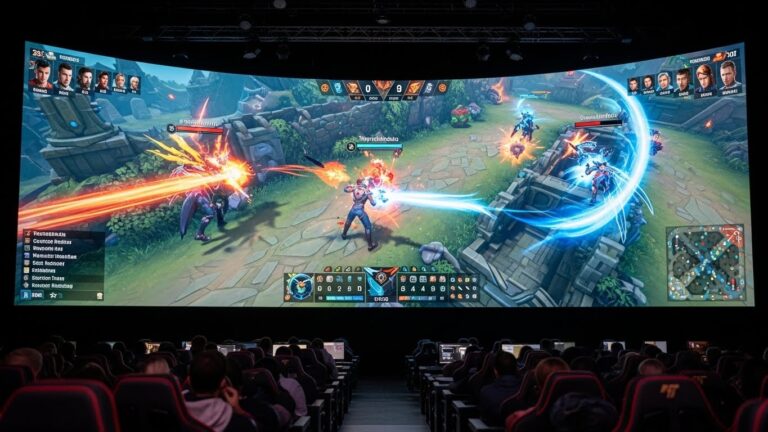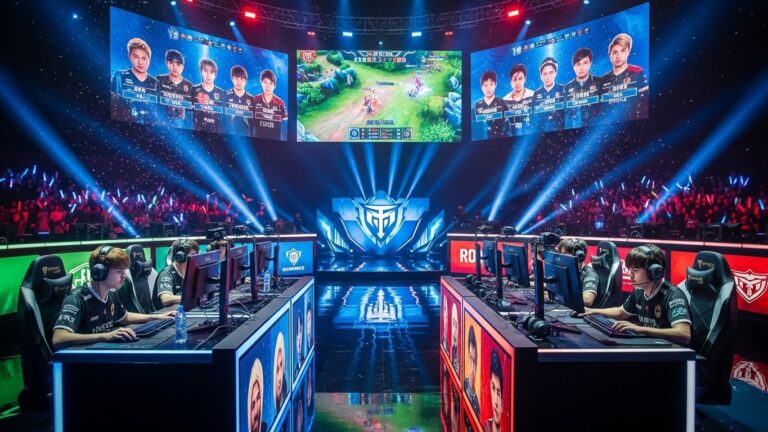
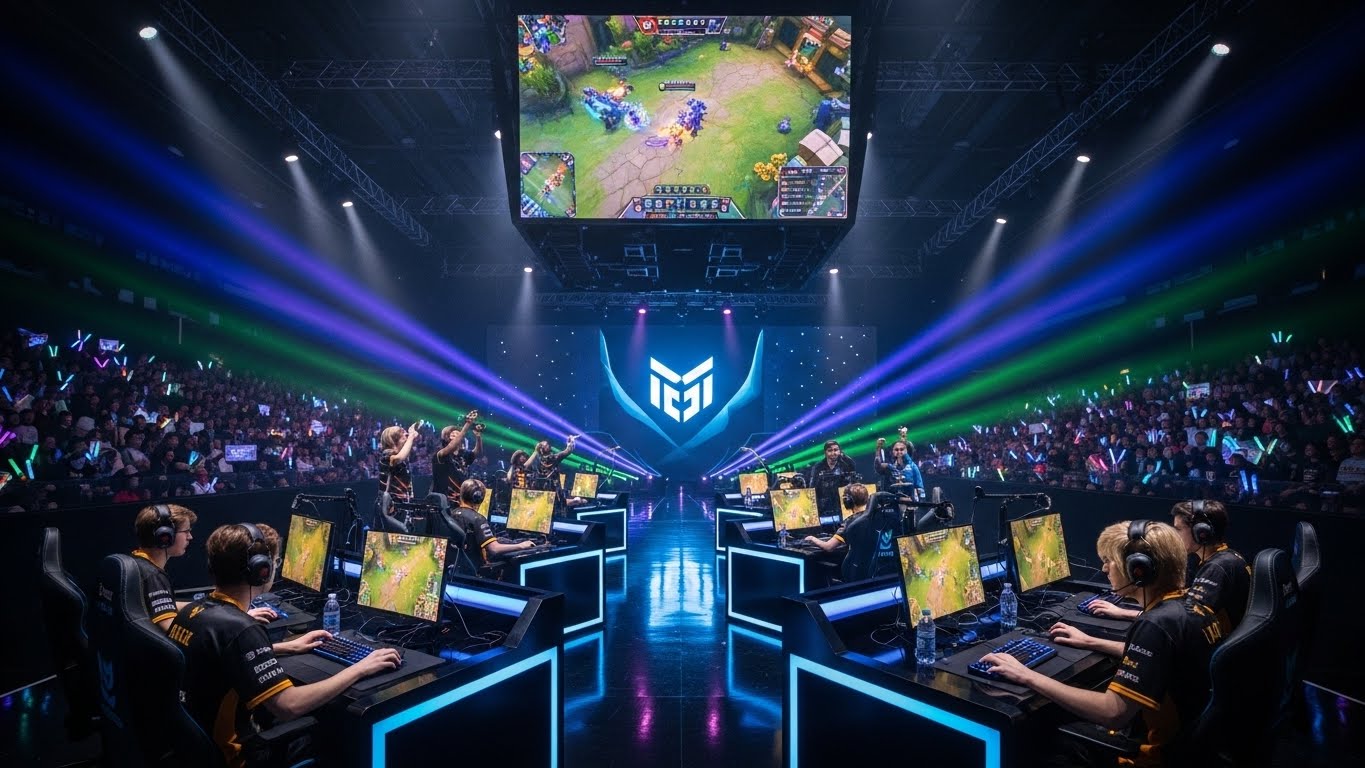
Over the past decade, esports has evolved from a niche pastime into a global phenomenon. Competitive gaming now rivals traditional sports in both popularity and revenue, attracting millions of fans worldwide. This growth reflects the convergence of technology, entertainment, and sportsmanship in a way that was unimaginable only a few decades ago. Esports has transformed not only how people play games but also how they watch, participate in, and experience competition.
Understanding Esports
Esports, short for electronic sports, refers to organized, competitive gaming where players or teams compete in specific video games for rewards, recognition, and career opportunities. Unlike casual gaming, esports involves structured tournaments, professional players, and rigorous training schedules. What started as informal competitions among small communities has grown into a global industry with professional leagues, sponsorships, and international fanbases.
The internet has played a crucial role in the development of esports. Online connectivity allows players from different parts of the world to compete in real-time, fostering a global community. Streaming platforms have further amplified esports’ reach, providing live broadcasts, commentary, and replays that engage millions of viewers.
Popular Esports Games and Genres
Esports encompasses a variety of game genres, each with distinct rules, strategies, and fan bases. Some of the most popular genres include:
- Multiplayer Online Battle Arena (MOBA) Games: Games like League of Legends and Dota 2 require players to control characters with unique abilities in strategic, team-based battles. Success in MOBAs relies on teamwork, coordination, and tactical planning. These games often feature elaborate maps, objectives, and dynamic gameplay that demand both individual skill and collective strategy.
- First-Person Shooter (FPS) Games: Titles such as Counter-Strike: Global Offensive and Call of Duty are among the most competitive FPS games. Players must demonstrate precision, speed, and strategic thinking to outmaneuver opponents. These games also emphasize map awareness, communication, and reflexes, making practice and preparation essential for professional players.
- Battle Royale Games: Fortnite and PUBG popularized this genre, which involves last-player-standing gameplay in large arenas. Battle royale games combine survival instincts, shooting accuracy, and decision-making under pressure. The unpredictable nature of these matches makes them thrilling for both participants and spectators.
- Sports Simulation Games: FIFA, NBA 2K, and Madden NFL bring traditional sports into the digital arena. Players recreate real-world sports scenarios and compete in tournaments, showcasing mastery of both game mechanics and tactical knowledge. These simulations appeal to fans of real sports while offering opportunities for strategy and skill development in a virtual environment.
- Fighting Games: Street Fighter, Tekken, and Super Smash Bros. are iconic examples of this genre. Fighting games emphasize individual skill, timing, reflexes, and the mastery of complex moves or combos. Competitions are often intense one-on-one matches where split-second decisions determine victory.
Each genre has cultivated its own community, tournaments, and professional players, illustrating the diversity and richness of esports as a competitive landscape.
Esports as a Professional Career
Esports has emerged as a legitimate career path for many. Professional players earn money through tournament winnings, sponsorships, streaming revenue, and team contracts. Top players in major games can command salaries and prize pools worth millions, highlighting the financial opportunities in esports.
Beyond players, the esports industry provides employment in coaching, event management, broadcasting, content creation, marketing, and game development. Analysts, commentators, editors, and social media managers all contribute to the ecosystem, creating a vibrant network of professionals dedicated to competitive gaming.
The professionalization of esports has also led organizations to invest in player development, providing structured training, mental health support, and fitness programs to ensure peak performance. This reflects a growing recognition that competitive gaming requires both physical endurance and mental resilience.
The Structure of Esports Tournaments
Esports tournaments range from local events to international competitions, attracting thousands of spectators and millions of online viewers. Major tournaments such as the League of Legends World Championship, Dota 2’s The International, and the Fortnite World Cup offer large prize pools and showcase elite talent.
Tournament formats often include group stages, playoffs, and finals, similar to traditional sports. Teams and players prepare extensively, analyzing opponents, refining strategies, and practicing for hours daily. Live streaming has made these events accessible to a global audience, allowing fans to watch, interact, and engage with players in real-time.
International tournaments also foster cross-cultural exchange, bringing together players and fans from diverse backgrounds. This global reach emphasizes the unifying power of esports, demonstrating that gaming transcends language, culture, and geography.
The Role of Technology in Esports
Technology is at the heart of esports. High-speed internet, powerful gaming hardware, and advanced software enable seamless competition and broadcasting. Game developers regularly update titles to maintain balance, introduce new features, and enhance the competitive experience.
Emerging technologies like virtual reality and augmented reality are poised to transform esports further. Virtual reality can immerse players in entirely new gaming environments, while augmented reality can blend digital elements with real-world settings. Artificial intelligence is also being used to analyze gameplay, improve training, and enhance spectator engagement through personalized experiences and data-driven insights.
Mental Resilience in Esports
Esports demands more than just mechanical skill; mental strength is equally critical. Players often face high-pressure situations, extended practice hours, and intense scrutiny from fans and sponsors. Focus, discipline, and emotional regulation are vital for sustained success.
Many esports organizations now offer mental health support, including sports psychologists, mindfulness training, and stress management programs. Recognizing the mental demands of competitive gaming is essential for both player well-being and long-term performance.
Esports in Education and Youth Development
Esports is increasingly being integrated into educational programs. Universities and colleges are offering scholarships, competitive teams, and research opportunities focused on esports. These initiatives teach students teamwork, strategic thinking, leadership, and digital literacy, preparing them for careers in gaming and related fields.
For young people, esports encourages problem-solving, creativity, and social interaction. When balanced with healthy lifestyle habits, competitive gaming can promote skill development, confidence, and community engagement. Schools and programs that embrace esports are helping redefine the educational potential of video games.
Economic Impact of Esports
Esports is a multibillion-dollar industry that generates revenue through sponsorships, media rights, merchandise, advertising, and ticket sales. Major brands invest heavily in esports to reach younger, digitally engaged audiences. This economic growth supports innovation, professionalization, and mainstream recognition of competitive gaming.
The tourism and hospitality sectors also benefit from esports events, as tournaments attract international visitors, stimulate local economies, and encourage infrastructure development. The global economic influence of esports continues to expand, highlighting its significance beyond entertainment.
Challenges Facing Esports
Despite its rapid growth, esports faces challenges. Player burnout, lack of standardized regulations, and controversies over fairness and ethics remain concerns. The fast-paced nature of the industry sometimes outpaces governance, leading to disputes over contracts, prize distribution, and competitive integrity.
Inclusivity is another challenge. Women and players from developing regions are underrepresented in professional esports. Addressing these disparities is essential for creating a truly diverse and equitable ecosystem.
Maintaining a healthy balance between practice and personal well-being is critical. Long hours of gameplay, pressure to perform, and intense competition can lead to physical and mental strain. Organizations are increasingly aware of these issues and are implementing measures to support sustainable participation.
The Future of Esports
The future of esports is promising. Technological innovation, global connectivity, and cultural acceptance will continue to fuel its growth. Virtual reality, cloud gaming, and AI are likely to make esports more immersive and accessible, creating new opportunities for players and spectators.
Esports is also expected to intersect with traditional sports, education, and entertainment, blurring the lines between physical and digital competition. With increasing recognition of esports as a professional discipline, infrastructure, funding, and talent development will grow, solidifying its role in the global competitive landscape.
The cultural impact of esports cannot be understated. It fosters collaboration, celebrates creativity, and provides a platform for individuals to pursue their passions in innovative ways. Competitive gaming is redefining what it means to be an athlete in the modern age and is shaping the future of entertainment and competition worldwide.
Conclusion
Esports has grown from informal gaming competitions into a global industry that influences culture, economy, and technology. Its rise reflects advancements in connectivity, entertainment, and societal attitudes toward gaming. Professional players, tournaments, and engaged audiences have transformed esports into a legitimate career path and a respected form of competition.
Beyond entertainment, esports represents a fusion of skill, strategy, and community. It challenges traditional perceptions of sports, promotes global collaboration, and empowers individuals to pursue their passions in the digital age. As technology continues to evolve and audiences expand, esports will remain at the forefront of competitive entertainment, shaping the future of sports and redefining what it means to compete.
About the Author