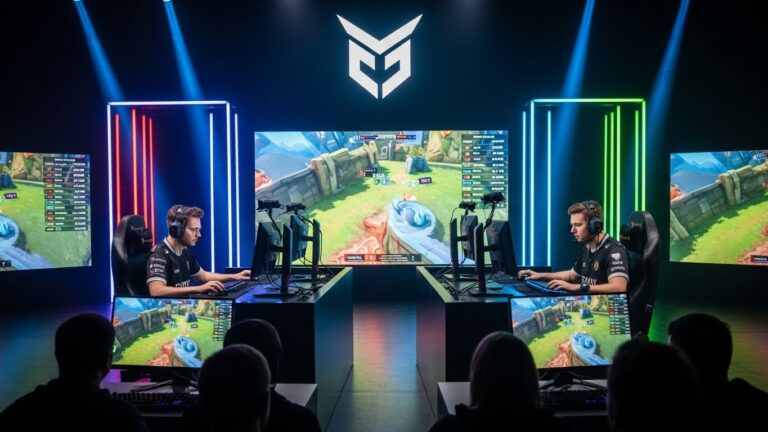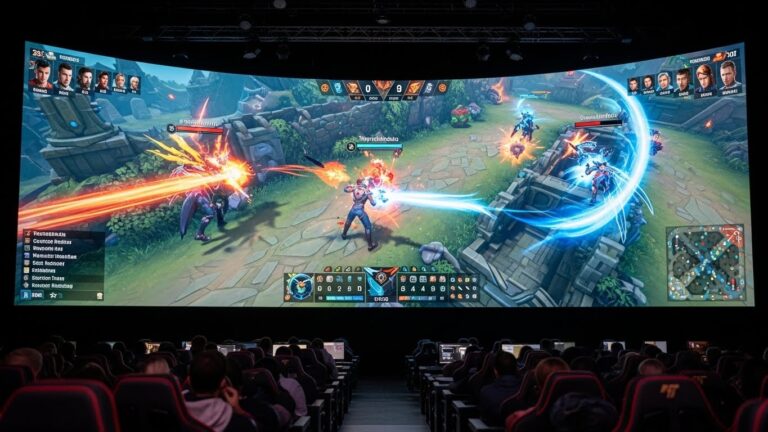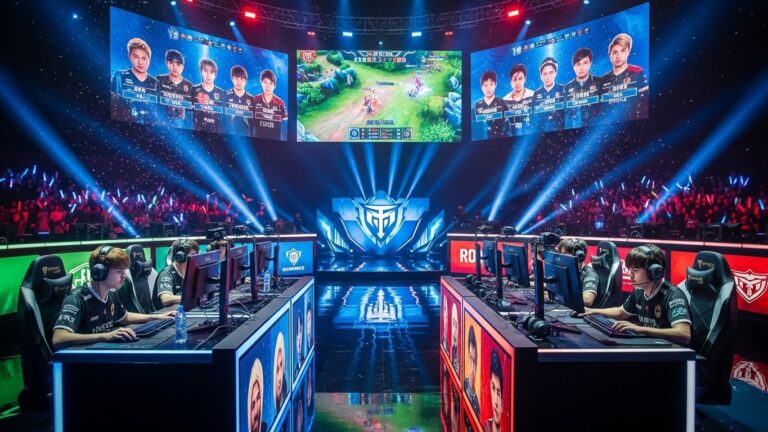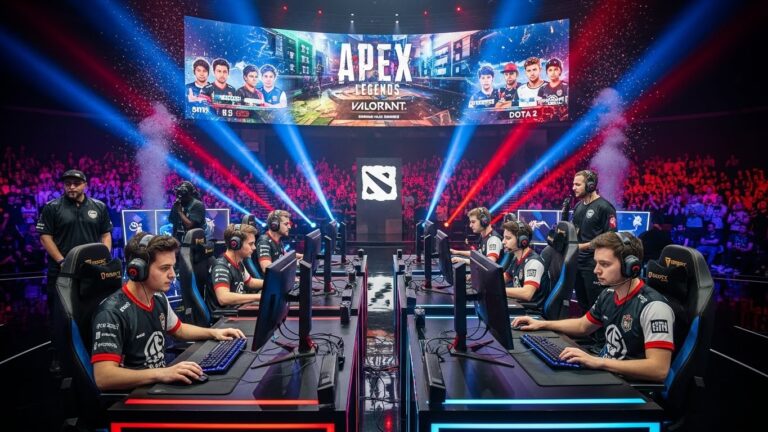
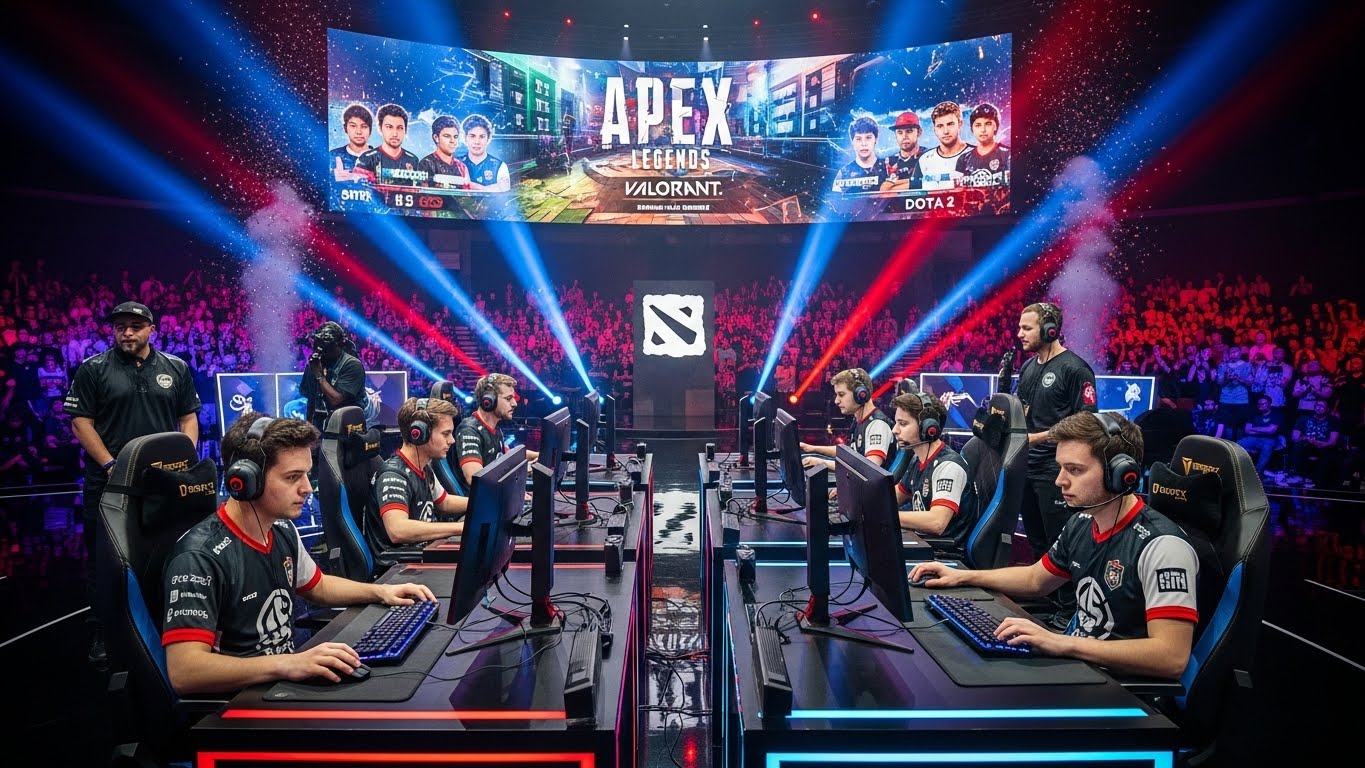
Esports, once dismissed as a niche hobby for gamers, has evolved into a global competitive industry worth billions. What began in small gaming arcades and local tournaments has transformed into packed arenas, international championships, and a massive digital audience spanning continents. Today, esports is not just about playing video games; it represents culture, technology, entertainment, and professional ambition. This blog explores the rise of esports, its ecosystem, cultural impact, economic power, and what the future holds for competitive gaming.
The Origins of Competitive Gaming
The roots of esports can be traced back to the early days of video gaming. In the 1980s and 1990s, informal competitions emerged around arcade games and home consoles. Players would gather to compete for high scores, recognition, or small prizes. These early events laid the foundation for organized competitive gaming, even though the concept of esports did not yet exist.
As personal computers and the internet became more accessible, multiplayer gaming expanded rapidly. Games that allowed players to compete against each other online created new opportunities for structured tournaments. LAN parties and early online leagues helped build gaming communities, turning casual competition into something more serious and organized. These early developments set the stage for esports to grow into a professional industry.
The Rise of Modern Esports
Modern esports began to take shape in the early 2000s, driven by faster internet connections, improved game design, and global connectivity. Competitive games started to include ranking systems, spectator modes, and balanced mechanics that supported fair competition. Tournament organizers began hosting large-scale events with professional players, teams, and prize pools.
Streaming technology played a crucial role in esports growth. Fans could watch live matches from anywhere in the world, turning competitive gaming into a spectator sport. Esports events became more polished, featuring commentators, analysts, and high-quality production. What was once a hobby began to resemble traditional sports in structure and presentation, attracting sponsors, investors, and mainstream media attention.
Esports as a Professional Career
One of the most significant changes in esports is the emergence of professional players. Today’s esports athletes train for hours each day, practicing mechanics, strategies, and teamwork. They work with coaches, analysts, and sports psychologists to improve performance. Many professional players live in team facilities, following structured schedules similar to those of traditional athletes.
Beyond players, esports has created a wide range of career opportunities. Coaches, managers, event organizers, broadcasters, content creators, and marketing professionals all contribute to the industry. Universities and educational institutions have also begun offering esports programs and scholarships, recognizing competitive gaming as a legitimate career path. Esports has proven that passion for gaming can translate into professional success.
The Esports Ecosystem and Industry Structure
The esports ecosystem is complex and interconnected. At its core are the games themselves, developed and maintained by publishers who control rules, updates, and competitive formats. Around these games exist teams, leagues, and tournaments that provide structure and continuity. Tournament organizers host events ranging from local competitions to international championships with millions in prize money.
Sponsors and brands play a vital role in funding esports. They invest in teams, events, and individual players to reach a young, digitally engaged audience. Media platforms distribute esports content through live broadcasts, recorded matches, and behind-the-scenes features. Fans, communities, and content creators complete the ecosystem, driving engagement and sustaining the industry’s growth.
Cultural Impact of Esports
Esports has had a profound impact on global culture, especially among younger generations. It has redefined what it means to be an athlete and challenged traditional ideas of competition and entertainment. Esports celebrates skills such as strategic thinking, teamwork, adaptability, and mental resilience, proving that physical strength is not the only measure of athletic excellence.
Gaming communities have also fostered cross-cultural interaction. Players and fans from different countries connect through shared interests, breaking down geographic and cultural barriers. Esports events often bring together diverse audiences, creating a sense of global unity. At the same time, esports has influenced fashion, music, and online trends, becoming an integral part of modern digital culture.
Technology and Innovation in Esports
Technology is the backbone of esports. High-performance hardware, advanced software, and reliable internet infrastructure enable competitive gaming at the highest level. Innovations in graphics, artificial intelligence, and data analytics have enhanced gameplay, training, and viewer experiences.
Esports teams use data analysis to study player performance, opponent strategies, and in-game decision-making. This analytical approach has elevated competition and professionalism. Virtual reality and augmented reality are also beginning to influence esports broadcasting, offering immersive viewing experiences. As technology continues to evolve, it will further blur the line between gaming, entertainment, and sports.
The Business and Economics of Esports
Esports is no longer just entertainment; it is a major economic force. Revenue comes from multiple sources, including sponsorships, advertising, merchandise, ticket sales, and media rights. Major tournaments attract millions of viewers, making esports a valuable platform for brands seeking digital engagement.
Team valuations have risen significantly, and investments from traditional sports organizations and celebrities have brought additional legitimacy to the industry. Cities and countries host esports events to boost tourism and economic activity. While the industry still faces challenges related to sustainability and profitability, its financial growth demonstrates the strong demand for competitive gaming as entertainment.
Challenges Facing the Esports Industry
Despite its success, esports faces several challenges. Player burnout is a significant concern, as intense training schedules and constant competition can affect mental and physical health. Career longevity is often short, making post-retirement planning essential for players.
Another challenge is maintaining fair competition. Issues such as cheating, match-fixing, and performance-enhancing software threaten the integrity of esports. Governing bodies and tournament organizers are working to establish consistent rules, regulations, and disciplinary systems. Additionally, diversity and inclusion remain ongoing challenges, with efforts needed to create welcoming environments for players of all backgrounds.
Esports and Education
Esports has found a growing presence in education. Schools and universities are incorporating esports into extracurricular activities and academic programs. These initiatives help students develop teamwork, leadership, communication, and technical skills. Esports clubs and leagues provide structured competition while promoting responsible gaming habits.
Educational institutions also use esports as a gateway to teach subjects such as game design, computer science, marketing, and media production. By connecting gaming with learning, esports has the potential to engage students who may not thrive in traditional educational settings. This integration highlights esports as more than entertainment, positioning it as a tool for personal and professional development.
The Global Reach of Esports
Esports is truly global. Major regions such as Asia, Europe, North America, and emerging markets contribute to its growth. International tournaments showcase the best teams from around the world, creating rivalries and storylines that captivate fans. The accessibility of online platforms allows anyone with an internet connection to participate or watch, making esports one of the most inclusive forms of competition.
Language barriers are often overcome through shared gameplay experiences and global broadcasting. This worldwide reach has helped esports become a unifying force, connecting millions of people through a shared passion for competition and gaming.
The Future of Esports
The future of esports looks promising and dynamic. As technology advances, esports experiences will become more immersive, interactive, and personalized. Mobile esports is expanding access, allowing more players and fans to engage with competitive gaming. Increased regulation and professional standards will further legitimize the industry.
Esports may also continue to merge with traditional sports and entertainment, creating hybrid events and new forms of competition. With growing recognition from educational institutions, governments, and mainstream media, esports is positioned to become a permanent fixture in global culture. The next generation of players and fans will shape its evolution in ways that are yet to be imagined.
Conclusion
Esports has come a long way from its humble beginnings, evolving into a global phenomenon that blends competition, technology, and culture. It has created new career paths, redefined entertainment, and connected people across the world. While challenges remain, the resilience and creativity of the esports community continue to drive its growth.
As esports moves forward, it represents more than just games on a screen. It symbolizes the power of digital innovation, the passion of global communities, and the changing nature of sports and entertainment in the modern world. From pixels to powerhouses, esports has proven that competitive gaming is here to stay.
About the Author