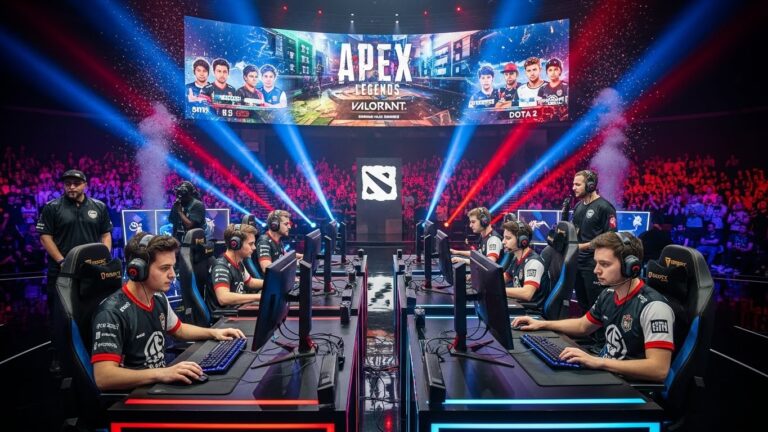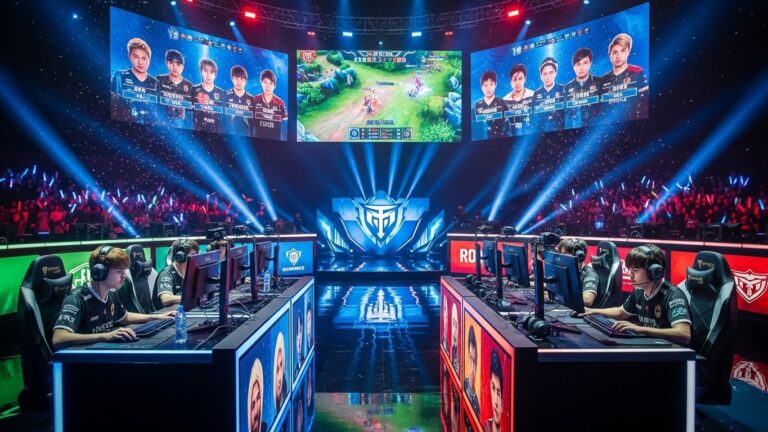
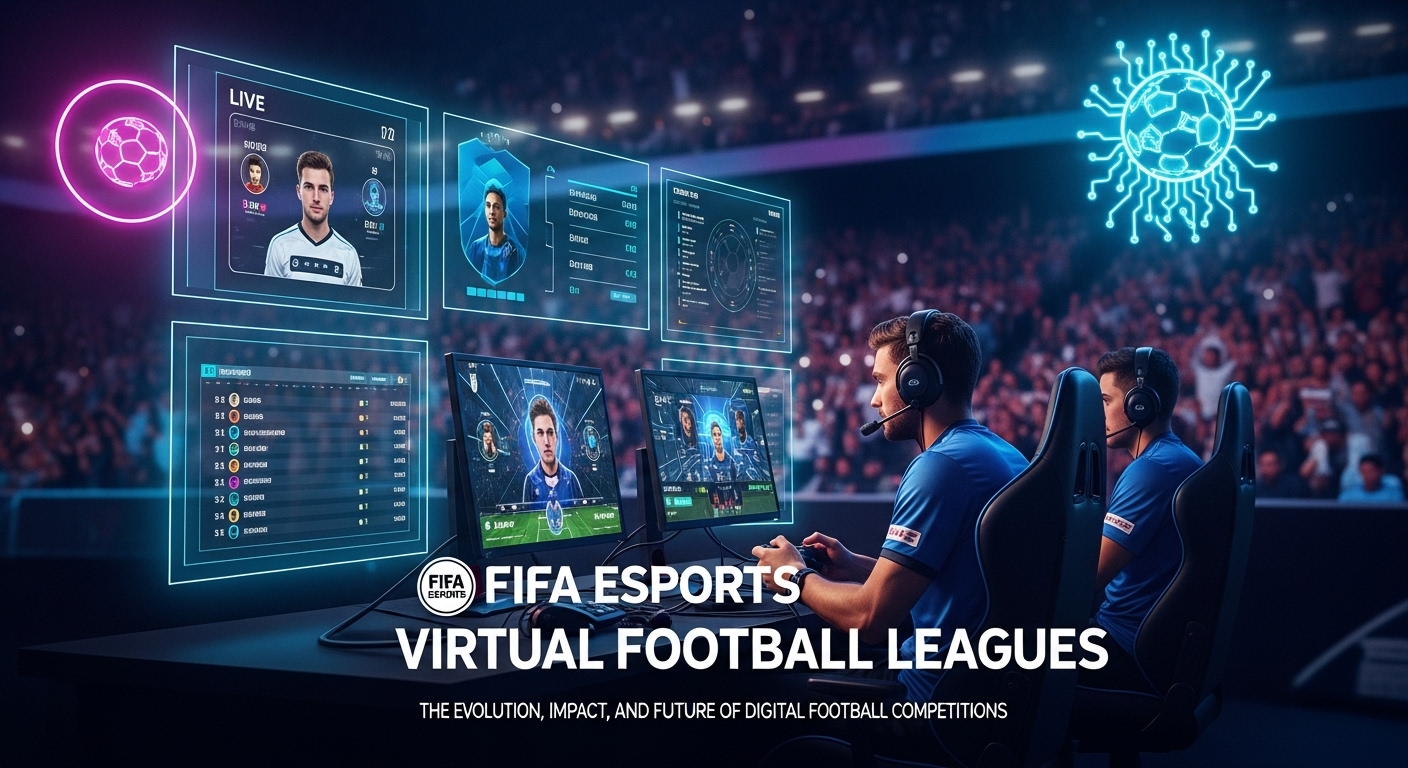
Football, the world’s most beloved sport, has seamlessly transitioned into the digital realm, giving rise to a dynamic and rapidly growing sector: FIFA esports and virtual football leagues. These platforms have transformed traditional gaming into a global phenomenon, blending the excitement of football with the interactivity of video games.
The Genesis of FIFA Esports
The journey of FIFA esports began in 2004 with the inception of the FIFA Interactive World Cup (FIWC), an annual tournament that brought together the world’s best EA Sports FIFA players to compete for the official world title. This event marked the beginning of FIFA’s foray into the esports arena, setting the stage for the expansive ecosystem that would follow.
In 2017, the tournament was rebranded as the FIFA eWorld Cup, aligning more closely with FIFA’s global brand. This rebranding signified a strategic move to elevate the competition’s prestige and attract a broader audience. The eWorld Cup became a cornerstone event, drawing millions of viewers and offering substantial prize pools, thereby solidifying its position in the esports landscape.
The format of these tournaments typically involves a series of online qualifiers leading to regional playoffs, culminating in a grand final. Players compete on the latest FIFA titles, showcasing their skills in a virtual representation of real-world football. The integration of live streaming platforms like Twitch and YouTube has further amplified the reach and accessibility of these events.
The Rise of Virtual Football Leagues
Parallel to the growth of FIFA esports, virtual football leagues have emerged, offering structured competitions that mirror traditional football leagues. These leagues provide a platform for players to engage in regular, organized matches, fostering a sense of community and rivalry.
Titles like EA Sports FC and Konami’s eFootball have been at the forefront of this movement. EA Sports FC, the successor to the FIFA series, continues to offer a comprehensive football simulation experience, while eFootball focuses on delivering a more arcade-style gameplay. Both games have incorporated features that support online leagues, including matchmaking systems, leaderboards, and team management tools.
These virtual leagues often operate on a seasonal basis, with teams competing over a set period to achieve the highest rankings. The structure of these leagues varies, with some resembling traditional football leagues, complete with promotion and relegation systems, while others adopt a more casual approach. Regardless of the format, the underlying goal remains the same: to provide players with a competitive and engaging environment that mirrors the excitement of real-world football.
The Evolution Post-FIFA Partnership
In 2023, EA Sports and FIFA parted ways, leading to the launch of EA Sports FC as an independent entity. This separation marked a significant shift in the landscape of virtual football competitions. EA Sports FC introduced its own esports circuit, known as EA Sports FC Pro, which aims to provide a more immersive and competitive experience for players and fans alike.
The EA Sports FC Pro circuit is designed to offer a more structured and professional environment for esports athletes. It features a series of qualifying events, regional tournaments, and a world championship, each offering substantial prize pools. The circuit emphasizes skill development, strategic gameplay, and team dynamics, aiming to elevate the standard of virtual football competitions.
This move also allowed EA Sports to innovate and introduce new features tailored to the esports community. For instance, the introduction of the Ultimate Team mode provided players with the opportunity to build and manage their dream teams, adding an element of strategy and personalization to the gameplay. Additionally, the incorporation of live events and interactive broadcasts has enhanced the viewing experience, making it more engaging for fans.
The Global Impact and Cultural Integration
The influence of FIFA esports and virtual football leagues extends beyond the gaming community, impacting various aspects of global culture. These platforms have bridged the gap between traditional sports and digital entertainment, attracting a diverse audience that includes gamers, football fans, and casual viewers.
The accessibility of these tournaments has democratized the opportunity to participate in competitive football. Players from different backgrounds and regions can now compete on a global stage, showcasing their talent and passion for the sport. This inclusivity has fostered a sense of community and camaraderie among players and fans, transcending geographical and cultural boundaries.
Moreover, the integration of real-world football clubs into virtual leagues has further strengthened the connection between traditional and digital football. Clubs like Manchester City, Paris Saint-Germain, and Bayern Munich have established their own esports teams, competing in various virtual tournaments and leagues. This collaboration has not only expanded the reach of these clubs but also provided them with new avenues to engage with their fanbase.
Technological Advancements and Future Prospects
The future of FIFA esports and virtual football leagues is poised for further innovation, driven by advancements in technology. The integration of virtual reality (VR) and augmented reality (AR) holds the potential to revolutionize the gaming experience, offering players and viewers a more immersive and interactive environment.
Additionally, the implementation of artificial intelligence (AI) can enhance gameplay by providing more realistic and challenging opponents, as well as personalized experiences tailored to individual player preferences. These technological developments are expected to elevate the quality and appeal of virtual football competitions, attracting a broader audience and increasing engagement.
The expansion of esports betting markets also presents new opportunities for the industry. Platforms offering bets on FIFA tournaments and virtual football leagues have gained popularity, providing fans with an additional layer of excitement and involvement. This trend underscores the growing recognition of esports as a legitimate and entertaining form of competition.
Furthermore, the potential integration of blockchain technology could introduce new models for digital ownership and monetization within virtual football ecosystems. This could include the creation of non-fungible tokens (NFTs) representing in-game assets or player achievements, offering players and fans new ways to engage with and invest in the virtual football world.
Conclusion
FIFA esports and virtual football leagues have transformed the landscape of competitive gaming, offering players and fans a dynamic and engaging platform to experience the thrill of football in a digital format. As technology continues to advance and the global community embraces these innovations, the future of virtual football holds exciting possibilities. Whether through enhanced gameplay experiences, increased accessibility, or deeper cultural integration, FIFA esports and virtual football leagues are set to continue their evolution, shaping the future of football in the digital age.
About the Author