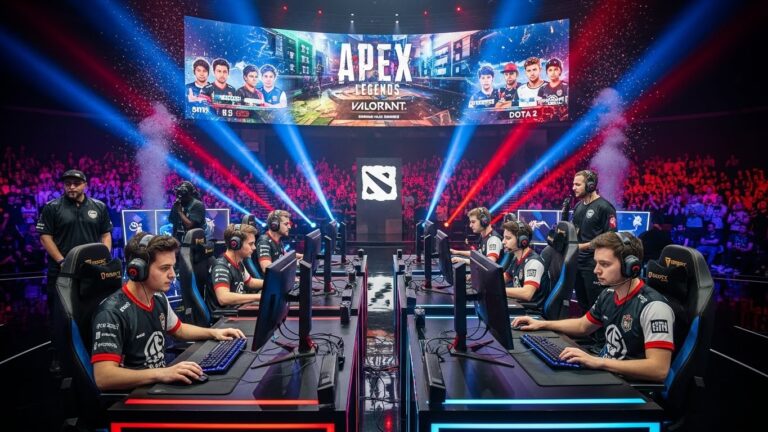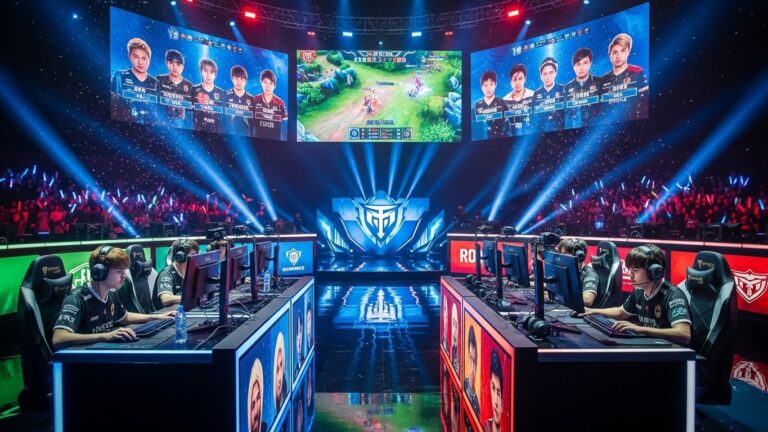
Esports has grown from a niche hobby to a global entertainment phenomenon, attracting millions of fans and generating billions in revenue. As competitive gaming has gained mainstream attention, brands from diverse industries have recognized the potential of esports as a marketing platform. Collaborations between esports organizations and global brands are no longer just sponsorships; they have evolved into creative partnerships that engage audiences, enhance player experiences, and shape the culture of gaming.
This blog explores the best brand collaborations in esports, highlighting how these partnerships have influenced both the competitive scene and wider pop culture.
The Rise of Brand Collaborations in Esports
Brand collaborations in esports have become increasingly strategic. Unlike traditional sports, esports offers unique engagement opportunities: interactive streams, influencer-driven content, digital activations, and immersive fan experiences. Brands collaborate with esports teams, tournaments, or content creators to:
- Increase visibility among a young, digitally engaged audience.
- Enhance fan engagement through interactive campaigns.
- Associate with innovation and technology, leveraging the esports image of creativity and modernity.
- Create unique products or merchandise that resonate with gaming culture.
Successful collaborations are those that align the brand with esports culture authentically, rather than merely placing logos on jerseys or streaming overlays.
1. Nike x Fnatic
Nike’s collaboration with Fnatic, one of the oldest esports organizations, set a precedent for fashion and gaming partnerships. The partnership includes branded apparel, limited edition sneakers, and esports-inspired designs.
- Impact:
- Introduced esports to a broader lifestyle and fashion audience.
- Showed that esports fans value high-quality merchandise beyond standard team jerseys.
- Created buzz through social media campaigns and content collaborations.
- Introduced esports to a broader lifestyle and fashion audience.
This partnership highlighted the potential of merging sportswear branding with gaming culture, paving the way for other lifestyle-focused collaborations.
2. Red Bull x League of Legends and CS:GO
Red Bull has been a long-time supporter of esports, collaborating with teams, tournaments, and players across multiple games.
- League of Legends: Red Bull sponsors events, produces documentaries about player journeys, and hosts competitive tournaments.
- CS:GO: Red Bull has worked with top teams, offering specialized training facilities and player wellness programs.
- Impact:
- Elevated esports’ professional image by providing athletes with infrastructure and support.
- Produced high-quality content that engages fans beyond the matches.
- Enhanced Red Bull’s brand as a promoter of performance, energy, and innovation.
- Elevated esports’ professional image by providing athletes with infrastructure and support.
Red Bull exemplifies how brands can integrate into esports authentically, supporting players while gaining visibility.
3. BMW x ESL and CS:GO
Automotive brands have increasingly partnered with esports, and BMW’s collaboration with ESL and CS:GO events stands out. BMW sponsored tournaments, providing players with vehicles for promotional purposes and showcasing its brand at live events.
- Impact:
- Brought esports into mainstream lifestyle marketing.
- Allowed BMW to engage a younger demographic traditionally harder to reach through conventional advertising.
- Created interactive activations, including car giveaways and fan experiences at events.
- Brought esports into mainstream lifestyle marketing.
This partnership demonstrated that esports could be a viable platform for luxury and lifestyle brands.
4. Intel x Major Esports Events
Intel has been a foundational partner in esports for over a decade. Their collaboration with Major tournaments in CS:GO, Dota 2, and League of Legends has shaped competitive gaming infrastructure.
- Impact:
- Sponsored tournaments, providing high-performance hardware and cutting-edge technology.
- Supported innovations like live streaming optimization and tournament analytics.
- Strengthened the perception of esports as a professional and technologically advanced industry.
- Sponsored tournaments, providing high-performance hardware and cutting-edge technology.
Intel’s collaborations show how technology companies can play a dual role — supporting the competitive ecosystem while promoting their products to a tech-savvy audience.
5. Louis Vuitton x League of Legends
A groundbreaking collaboration between Louis Vuitton and League of Legends debuted at the 2019 World Championship. Louis Vuitton designed custom championship trophy cases and team luggage for the world finals.
- Impact:
- Bridged luxury fashion and esports, highlighting gaming’s cultural significance.
- Attracted global media attention and increased awareness outside traditional esports circles.
- Elevated the status of esports as a cultural and lifestyle phenomenon.
- Bridged luxury fashion and esports, highlighting gaming’s cultural significance.
This collaboration is a prime example of a brand leveraging esports to showcase creativity, prestige, and cultural relevance.
6. Coca-Cola x Overwatch League
Coca-Cola has partnered with the Overwatch League, providing sponsorship, marketing campaigns, and in-game activations. The collaboration includes branded content, fan rewards, and engagement-focused promotions.
- Impact:
- Increased fan interaction through digital campaigns and live event integration.
- Positioned Coca-Cola as an innovative and youth-oriented brand.
- Strengthened the Overwatch League’s visibility in mainstream marketing channels.
- Increased fan interaction through digital campaigns and live event integration.
Coca-Cola demonstrates how global beverage brands can creatively integrate into esports without disrupting the fan experience.
7. Razer x Esports Teams and Players
Razer, a gaming hardware manufacturer, has consistently collaborated with esports teams and players, supplying custom equipment, peripherals, and branded gear.
- Impact:
- Provided professional-grade tools to enhance performance.
- Boosted brand credibility within the gaming community by associating with top players.
- Enabled co-branded merchandise and limited edition gear for fans.
- Provided professional-grade tools to enhance performance.
Razer’s approach shows that hardware companies can combine product excellence with community-driven marketing.
8. Adidas x Team Vitality
Adidas partnered with Team Vitality, a leading European esports organization, to produce co-branded apparel and lifestyle products.
- Impact:
- Blended esports culture with mainstream fashion.
- Provided fans with high-quality, stylish merchandise.
- Reinforced esports as a legitimate lifestyle and cultural movement.
- Blended esports culture with mainstream fashion.
This partnership emphasizes how sportswear brands can successfully enter esports by respecting the culture and providing functional yet fashionable products.
9. Red Bull x Fortnite Creators
Red Bull also collaborated with Fortnite content creators and competitive players, producing high-energy content, live events, and tournaments.
- Impact:
- Leveraged influencer marketing to connect with a younger audience.
- Supported competitive growth by providing platforms for exposure and sponsorship.
- Reinforced the brand’s association with energy, innovation, and performance.
- Leveraged influencer marketing to connect with a younger audience.
Red Bull demonstrates the effectiveness of combining esports sponsorship with content marketing and influencer partnerships.
Why Brand Collaborations Succeed in Esports
Successful collaborations share common principles:
- Authenticity: Fans respond positively when brands integrate naturally into esports culture rather than appearing intrusive.
- Engagement: Effective campaigns include interactive experiences, giveaways, and fan-centric content.
- Support for Players and Teams: Providing resources, technology, or infrastructure strengthens both performance and brand credibility.
- Cultural Relevance: Collaborations that highlight creativity, lifestyle, or innovation resonate with younger demographics.
- Cross-Platform Integration: Successful campaigns leverage streaming, social media, live events, and digital content to reach audiences.
When done correctly, collaborations enhance the fan experience, elevate esports, and create long-lasting brand value.
The Future of Brand Collaborations in Esports
As esports continues to grow, brand collaborations will become more sophisticated:
- Virtual and In-Game Activations: Brands will integrate directly into games through skins, cosmetics, and interactive features.
- Cross-Industry Partnerships: Collaborations between esports, fashion, technology, and entertainment will expand.
- Data-Driven Engagement: Brands will use analytics to tailor campaigns to audience behavior and preferences.
- Global Reach: Expanding esports markets in Asia, Latin America, and Europe will offer new opportunities for partnerships.
The evolving landscape suggests that esports will remain a key platform for innovative marketing and cultural influence.
Conclusion
Brand collaborations in esports have evolved from simple sponsorships to creative partnerships that engage fans, support players, and influence culture. From Nike and Fnatic to Louis Vuitton and League of Legends, these collaborations demonstrate how esports can intersect with fashion, technology, lifestyle, and entertainment.
Successful partnerships balance authenticity, engagement, and support for the competitive ecosystem, creating value for both brands and the esports community. As the industry continues to grow, these collaborations will play a pivotal role in shaping the future of competitive gaming and fan experiences worldwide.
Esports is no longer just a game — it is a cultural phenomenon, and the best brand collaborations leverage this status to create memorable experiences and lasting impact.
About the Author