
Esports, or competitive video gaming, has become one of the most rapidly growing entertainment industries in the world. What began as casual competitions among friends and arcade enthusiasts has evolved into a multi-billion-dollar global enterprise. Millions of fans watch professional players compete in stadiums, online platforms, and international tournaments, while players dedicate years of practice to mastering their skills. Esports is more than just gaming; it is a cultural phenomenon, a career opportunity, a technological marvel, and a form of entertainment that transcends borders.
The unique appeal of esports lies in its combination of strategy, skill, reflexes, teamwork, and storytelling. Unlike traditional sports, physical strength is not the primary factor; instead, mental agility, quick decision-making, and precise execution are key. Esports spans a wide variety of genres and games, from Multiplayer Online Battle Arenas to First-Person Shooters, Real-Time Strategy games, and Battle Royale titles. Each game offers a unique competitive experience, attracting diverse audiences and cultivating vibrant communities.
The Early Days of Competitive Gaming
Esports can trace its origins back to the 1970s and 1980s, when arcade games became popular worldwide. Games like Space Invaders, Pac-Man, and Donkey Kong inspired competitive play, with players vying for high scores and local recognition. Although these events were informal, they set the foundation for organized competition, demonstrating that video games could create rivalries, excitement, and community engagement.
With the rise of home computers and consoles in the 1990s, multiplayer gaming expanded. Games such as Doom, Quake, and StarCraft allowed players to compete over local networks and the internet. Online matches introduced new levels of strategy and coordination, encouraging players to form teams, share tactics, and establish rivalries. The creation of organized tournaments with cash prizes marked a turning point, signaling the shift from casual play to competitive esports.
The Professionalization of Esports
The 2000s saw the professionalization of esports, transforming it from hobbyist activity into a legitimate career path. Players began forming teams, receiving sponsorships, and earning salaries, while national and international leagues offered structured competitions. South Korea became a pioneer in professional gaming, particularly with StarCraft, where players achieved celebrity status and were featured in mainstream media. The professional model emphasized discipline, training, and performance, mirroring traditional sports structures.
Professional esports players dedicate hours each day to practice, improving reflexes, team coordination, and game knowledge. Coaches, analysts, and strategists help teams optimize performance and develop competitive strategies. Mental resilience is crucial, as players must perform under pressure and adapt to unpredictable situations. The professionalization of esports legitimized competitive gaming as a serious pursuit and opened the door for international recognition and business opportunities.
Popular Esports Genres and Games
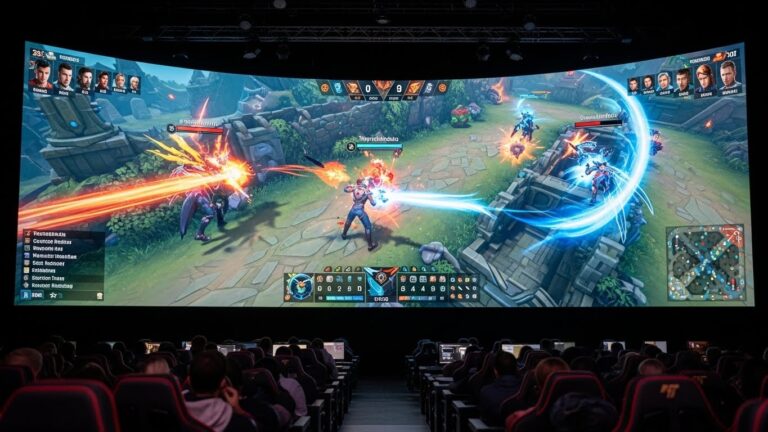
Esports encompasses a wide range of genres, each with distinct competitive dynamics and audiences. Multiplayer Online Battle Arenas, or MOBAs, like League of Legends and Dota 2, require strategic team coordination, map control, and deep understanding of character abilities. First-Person Shooters such as Counter-Strike: Global Offensive and Call of Duty demand precision, quick reflexes, and tactical awareness. Real-Time Strategy games like StarCraft II test decision-making, resource management, and adaptability under pressure. Battle Royale games, including Fortnite and Apex Legends, combine survival tactics, rapid adaptation, and high-stakes competition.
Each genre has cultivated a unique community and competitive culture. MOBAs emphasize teamwork, strategy, and long-term planning, attracting viewers who enjoy complex gameplay and deep tactical thinking. FPS games highlight individual skill, quick reactions, and dynamic action, appealing to audiences seeking fast-paced excitement. Battle Royale games captivate fans with unpredictability, suspense, and ever-changing match conditions, keeping audiences engaged and invested. The diversity of esports ensures a wide appeal and a constant influx of new players and viewers.
The Spectacle of Esports Tournaments
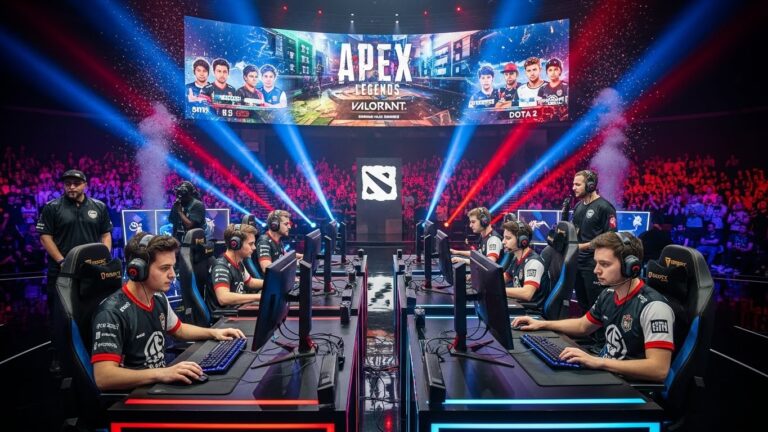
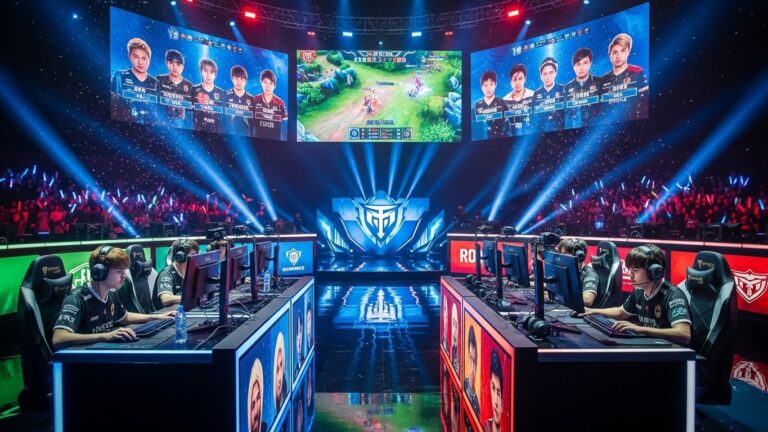
Tournaments are the lifeblood of esports. They bring together top players and teams to compete for prestige, prize money, and global recognition. High-profile events such as The International for Dota 2, the League of Legends World Championship, and the Fortnite World Cup draw millions of viewers worldwide and feature multi-million-dollar prize pools. These tournaments create narratives of rivalry, underdogs, and champions, providing fans with dramatic and engaging experiences.
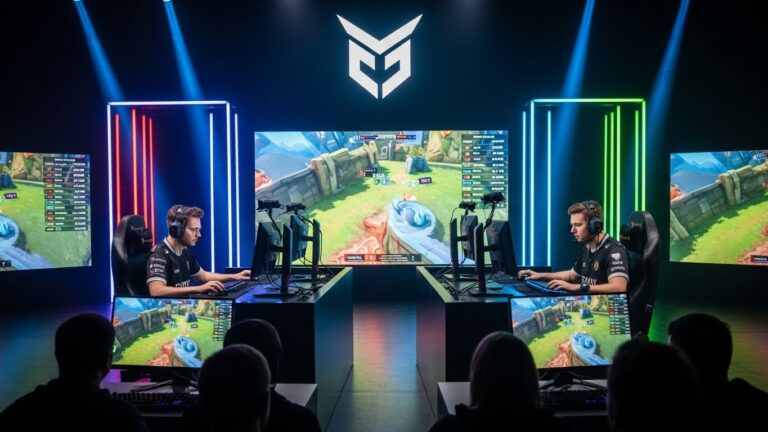
Esports tournaments test both individual skill and team coordination. Players must make quick decisions, adapt to opponents’ strategies, and maintain focus throughout intense competition. The structure of tournaments adds tension and excitement, while live broadcasts and streaming platforms allow fans to witness every moment. The spectacle of esports tournaments combines competitive intensity, media production, and fan interaction, creating experiences that rival traditional sports events.
Streaming and the Digital Revolution
The rise of streaming platforms has transformed esports into a global phenomenon. Platforms such as Twitch and YouTube Gaming allow fans to watch matches in real-time, interact with players, and participate in communities. Streaming provides players with opportunities to build personal brands, monetize content, and connect directly with audiences without relying solely on tournaments.
Streaming has democratized esports, giving amateur players a platform to showcase skills and gain recognition. Audiences engage with streams through live chat, fan interaction, and social media, fostering community and collaboration. The digital revolution has blurred the lines between spectator and participant, allowing fans to play a more active role in the esports ecosystem.
Cultural Impact of Esports
Esports has become a significant cultural force. It influences fashion, music, lifestyle, and social interaction, shaping trends and communities. Professional players are celebrated as celebrities, with fanbases comparable to traditional athletes. Merchandise, sponsorships, and team branding contribute to a culture that extends beyond gaming itself.
Esports also challenges traditional notions of sport. It demonstrates that mental agility, strategy, and teamwork are as important as physical ability. The global nature of esports encourages international collaboration and cultural exchange. Players from diverse backgrounds compete and interact, while fans engage with teams and communities worldwide. Esports fosters unity, creativity, and shared passion across cultures.
Careers Beyond Playing
While professional players are the most visible aspect of esports, the industry offers numerous other career opportunities. Coaches, analysts, commentators, event organizers, content creators, marketers, and software developers all contribute to the ecosystem. Tournament organizers handle logistics, production teams manage broadcasts, and analysts provide insights for strategy and performance. Marketing and sponsorship professionals drive engagement and revenue, while journalists cover events and provide commentary for fans.
Esports also intersects with education and business. Universities offer programs, scholarships, and research initiatives focused on esports, recognizing the skill, strategy, and discipline required. The industry encourages entrepreneurship, innovation, and cross-disciplinary collaboration, making esports a comprehensive professional ecosystem.
Technology and Innovation in Esports
Technology is integral to esports. High-performance computers, low-latency networks, advanced peripherals, and streaming platforms are essential for competitive play. Artificial intelligence and analytics tools allow teams to study opponents, refine strategies, and enhance performance. Virtual reality, augmented reality, and cloud gaming are creating immersive experiences, transforming how players and fans engage with esports.
Technological innovation benefits both gameplay and spectatorship. Live statistics, interactive broadcasts, and AI-driven analysis provide deeper engagement for audiences. Advanced training tools enable players to improve skills and optimize strategies, raising the level of competition. The interplay of technology and esports ensures continuous growth, innovation, and entertainment value.
Globalization of Esports
Esports is a global phenomenon, with hubs in Asia, North America, and Europe. South Korea is renowned for its professional StarCraft and League of Legends players, while China dominates games like Dota 2 and Honor of Kings. North America and Europe produce top-tier FPS and MOBA players, and emerging regions in Latin America, Southeast Asia, and the Middle East are developing competitive scenes.
The globalization of esports fosters cultural exchange and diversity in strategies, gameplay, and fan engagement. International competitions bring together players from different backgrounds, creating a global community united by shared passion. Fans support teams across borders, strengthening global connections and broadening the influence of esports worldwide.
The Future of Esports
The future of esports is promising and dynamic. Emerging technologies such as virtual reality, augmented reality, and cloud gaming will enhance immersion and accessibility. AI-driven analytics will refine strategies, coaching, and performance evaluation. Tournaments will continue to grow in scale, spectacle, and audience engagement, attracting larger sponsorships and global attention.
Esports will also continue integrating with mainstream culture, education, and business. Universities and schools will expand programs, while media companies invest in esports coverage and content creation. The industry will influence entertainment, lifestyle, and global culture, redefining competition and engagement for future generations.
Conclusion
Esports has transformed from a casual hobby into a global, multi-billion-dollar industry that combines competition, culture, and technology. Professionalization, streaming platforms, international tournaments, and technological innovation have legitimized esports as a career and a cultural phenomenon. It connects players and fans worldwide, fosters community, and challenges traditional notions of sport.
Esports is not just about playing games; it is about strategy, skill, creativity, and connection. It brings people together, inspires innovation, and provides thrilling entertainment for millions. As the industry continues to evolve, esports will remain a defining force in global culture, offering endless opportunities for players, fans, and creators alike.
The world of esports is vast, dynamic, and unstoppable, demonstrating that digital competition has become one of the most exciting and influential forms of entertainment in the modern era.
About the Author