Introduction
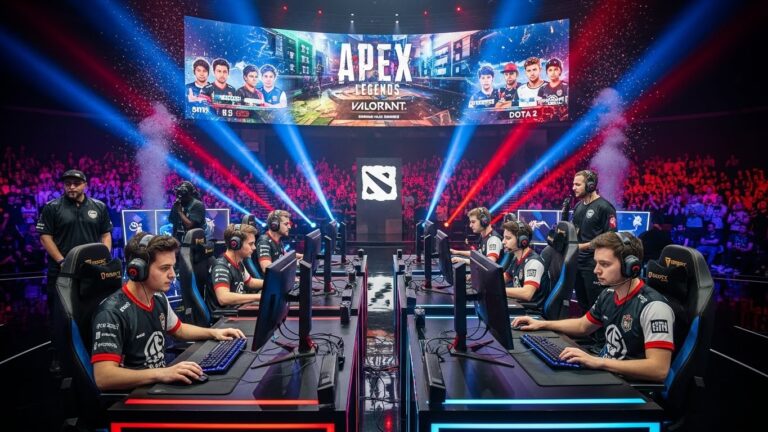
In just a few decades, competitive gaming has evolved from a small, niche hobby into a billion-dollar global phenomenon known as esports. Once confined to dimly lit arcades and local tournaments, esports now fills massive arenas, commands millions of viewers online, and offers prize pools that rival traditional sports. The transformation of gaming into a professional competition is one of the most fascinating cultural shifts of the digital age. Esports is more than a pastime; it is an ecosystem of athletes, teams, brands, and fans that continues to redefine what competition and entertainment mean in the 21st century.
The Origins of Esports
The roots of esports stretch back to the early 1970s, long before the term even existed. One of the first recorded gaming competitions took place at Stanford University in 1972, where students gathered to play a space combat game called “Spacewar.” The prize was a one-year subscription to Rolling Stone magazine, a modest beginning that hinted at the future potential of gaming as a competitive activity. Over the next two decades, video games became more accessible, and local competitions began to emerge around titles like Pac-Man, Street Fighter, and Super Mario Bros.
The 1990s marked a turning point. The rise of personal computers and local area network (LAN) parties made competitive multiplayer gaming easier and more social. Games such as Doom, Quake, and StarCraft ignited the first sparks of organized competition. South Korea, in particular, became a pioneering nation in esports culture, fueled by the government’s investment in broadband infrastructure and the popularity of StarCraft: Brood War. Professional players began to appear, and gaming started to be seen not only as entertainment but as a serious pursuit.
The Early 2000s: The Professional Era Begins
As the internet matured in the early 2000s, so too did esports. Online multiplayer games such as Counter-Strike, Warcraft III, and Defense of the Ancients (DotA) brought players from around the world into direct competition. During this period, professional leagues began to form, sponsorship deals started to roll in, and prize pools reached impressive sums. Organizations like Major League Gaming (MLG) in North America and the World Cyber Games (WCG) in Asia gave structure to the scene, providing aspiring players a clear path to professional recognition.
The early 2000s also saw the birth of gaming clans and organizations that resembled traditional sports teams. They adopted professional branding, training schedules, and management systems. Esports was no longer just about fun—it was about discipline, teamwork, and the drive to be the best.
The Streaming Revolution
The true explosion of esports came with the rise of streaming platforms in the 2010s. Services like Twitch and YouTube Gaming allowed fans to watch their favorite players and tournaments live, often for free. This direct connection between players and fans changed everything. Gamers were no longer faceless competitors; they became celebrities with massive fan bases, sponsorships, and personal brands.
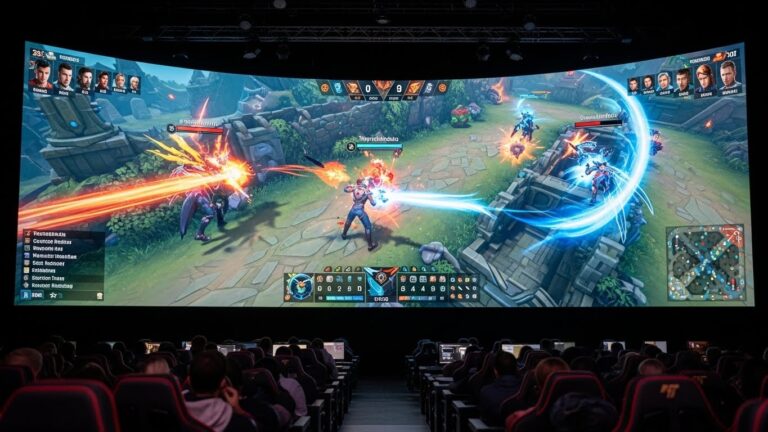
Streaming also democratized esports viewership. Anyone with an internet connection could tune in to major tournaments, chat with other fans, and follow their favorite teams. Games like League of Legends, Dota 2, Counter-Strike: Global Offensive, and Overwatch became global phenomena with massive followings. The League of Legends World Championship regularly draws tens of millions of viewers, rivaling or even surpassing traditional sports events like the Super Bowl in audience size.
The Rise of Global Esports Organizations
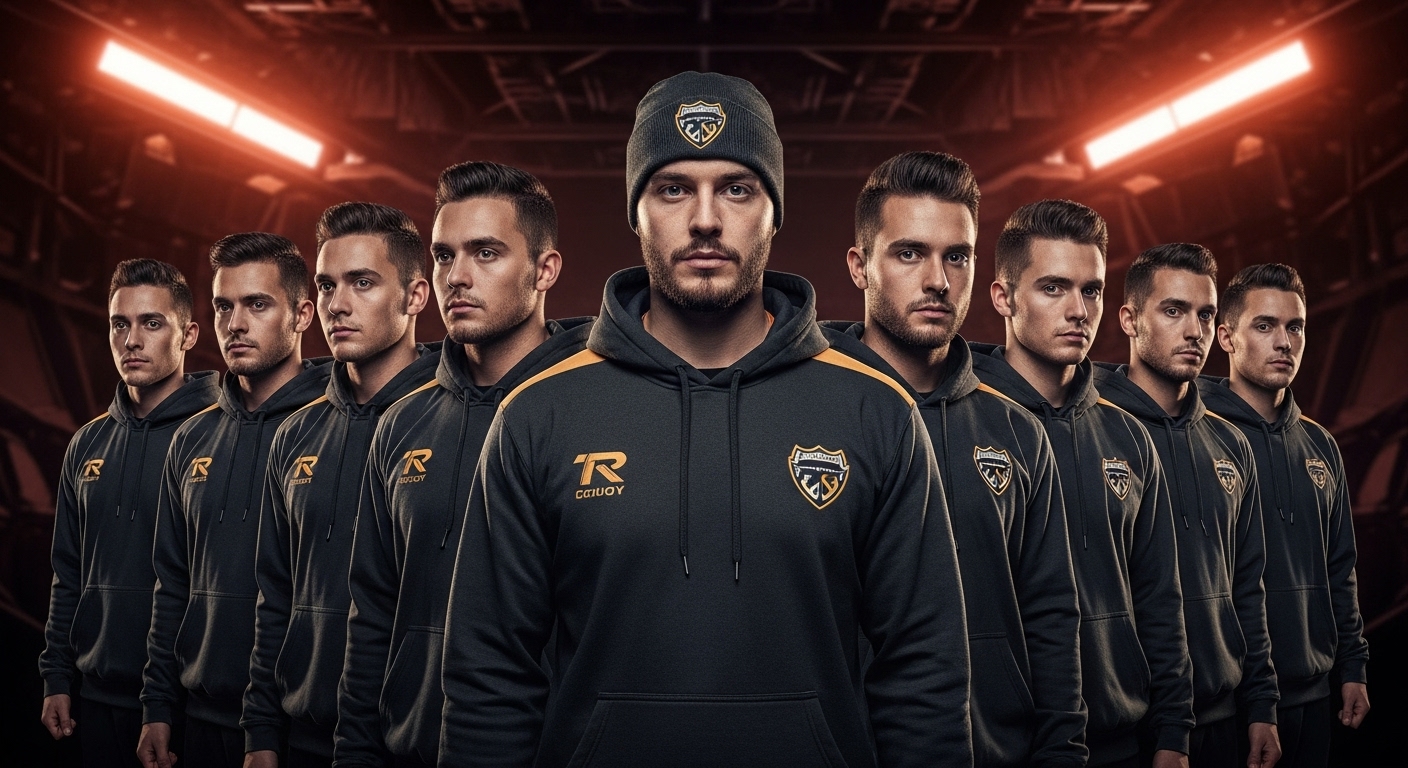
As esports gained legitimacy, organizations began operating on a global scale. Teams such as Fnatic, Cloud9, Team Liquid, and T1 became household names in the gaming world. These teams built professional infrastructures similar to those found in the NBA or Premier League, complete with coaches, analysts, nutritionists, and training facilities. They also attracted sponsorships from major brands in technology, energy drinks, apparel, and even automotive industries.
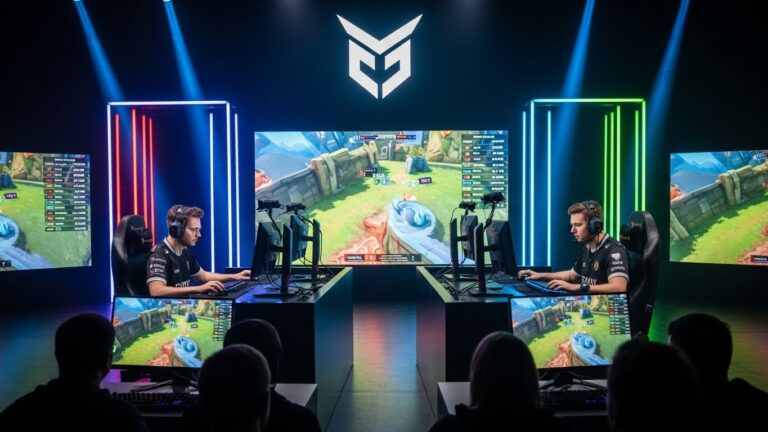
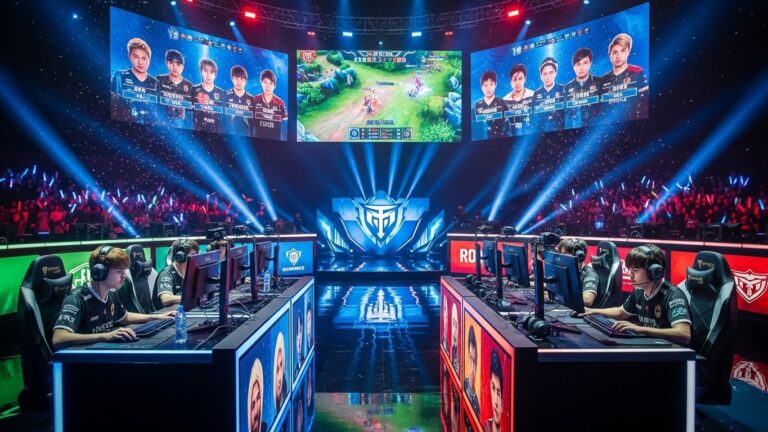
Tournaments evolved into grand spectacles. Events like The International for Dota 2 and the League of Legends World Championship are hosted in massive stadiums with elaborate stage designs, music performances, and global broadcasting. The prize pools for these tournaments can exceed tens of millions of dollars, with some individual players earning more than traditional sports athletes in a single season.
The Esports Athlete: Skill, Strategy, and Discipline
The stereotype of the gamer as a casual, isolated individual has been completely shattered by the rise of esports athletes. Professional players are now recognized for their incredible reflexes, strategic thinking, teamwork, and mental endurance. Training for esports is no less demanding than for traditional sports. Players spend countless hours refining their mechanics, analyzing replays, studying opponents, and maintaining physical and mental well-being.
Teams often operate on strict training regimens that include physical exercise, team meetings, and practice matches known as “scrims.” Mental health has become a major focus, as burnout and stress are common challenges in such a competitive environment. The best players must balance intense focus with emotional control, learning to handle victory and defeat with equal professionalism.
The Economic Impact of Esports
Esports is now a major force in the global economy. According to recent industry estimates, the esports market has surpassed the billion-dollar threshold and continues to grow annually. Revenue comes from sponsorships, advertising, ticket sales, merchandise, media rights, and digital goods. Major corporations have recognized the marketing potential of esports, targeting its youthful, tech-savvy audience.
The industry has also created a range of new career opportunities. Beyond the players themselves, there are coaches, analysts, commentators, event organizers, content creators, and production crews. The rise of esports has given birth to a new digital economy that merges technology, entertainment, and media into one dynamic ecosystem.
The Role of Education and Esports Academies
In recent years, educational institutions have begun to embrace esports as part of their programs. Universities around the world now offer scholarships for esports athletes and courses in game design, management, and digital media. High schools have also established esports clubs and leagues to nurture young talent. This academic recognition has helped to further legitimize esports as a career path, breaking down stereotypes and demonstrating that competitive gaming can coexist with education and personal development.
Esports academies and training centers are also emerging, particularly in countries like South Korea, China, and the United States. These facilities provide structured environments where aspiring players can hone their skills under professional guidance. They also emphasize physical fitness, teamwork, and strategic thinking, mirroring the holistic training approach of traditional sports academies.
Cultural Influence: Esports as a Global Language
Esports has become a cultural bridge that connects people across borders, languages, and backgrounds. Unlike traditional sports, which are often tied to specific regions, esports operates on a truly global scale. A team from Europe can face one from Asia or North America in the same tournament, and fans from every continent can watch together in real time.
Esports culture has also influenced music, fashion, and entertainment. Gaming-inspired apparel is now mainstream, and collaborations between game publishers and major clothing brands are common. Music artists perform at gaming events, and esports themes appear in movies, documentaries, and TV shows. The blending of pop culture and gaming has created a new, vibrant community that celebrates both competition and creativity.
The Role of Technology in Esports Growth
The success of esports is inseparable from technological innovation. High-speed internet, powerful gaming hardware, and advanced software have made competitive gaming seamless and immersive. Virtual reality (VR) and augmented reality (AR) are poised to revolutionize the spectator experience, allowing fans to immerse themselves directly into the game world. Artificial intelligence is being used to analyze player performance, detect cheating, and even coach teams.
Cloud gaming and 5G technology are also shaping the future of esports. They eliminate barriers like expensive hardware and latency, making competitive gaming more accessible to players around the world. This democratization of access could lead to the next wave of esports stars emerging from regions previously underrepresented in global tournaments.
Challenges Facing the Esports Industry
Despite its tremendous growth, esports faces several challenges. One of the most significant issues is player burnout. The competitive schedule is relentless, and many players retire at a young age due to stress and mental fatigue. The industry is also still developing standardized regulations regarding player contracts, team ownership, and tournament organization. These inconsistencies can sometimes lead to disputes and instability.
Another major challenge is maintaining integrity and fairness. Issues like cheating, match-fixing, and hacking can damage the credibility of the sport. Developers and organizers are working to implement stricter anti-cheat measures and ethical guidelines to preserve the integrity of competition.
Gender diversity and inclusivity also remain ongoing challenges. Although esports is open to anyone regardless of physical ability, female representation among professional players remains low. Many organizations and initiatives are working to create more inclusive environments and opportunities for women in esports, both on the stage and behind the scenes.
Esports and Traditional Sports: A Convergence of Worlds
In recent years, the line between esports and traditional sports has blurred significantly. Many professional sports organizations have invested in esports teams or launched their own gaming divisions. The NBA’s 2K League, for example, allows players to represent NBA franchises in virtual basketball competitions. Football clubs like Paris Saint-Germain, Manchester City, and FC Barcelona have esports teams competing in titles like FIFA and League of Legends.
Traditional sports broadcasters and media networks have also entered the esports scene, recognizing its massive potential for audience engagement. This crossover has elevated esports into mainstream awareness and introduced it to audiences who may have never considered gaming as a legitimate sport.
The Pandemic and Esports Resilience
The global pandemic of 2020 had a profound impact on many industries, but esports emerged as one of the few that not only survived but thrived. With physical sports events canceled or postponed, millions turned to esports for entertainment and social connection. Online tournaments replaced live arenas, and viewership numbers skyrocketed. Esports became a symbol of adaptability in the face of global disruption.
The pandemic accelerated the digital transformation of entertainment and proved that esports could operate independently of physical limitations. Even after restrictions eased, the habits and infrastructures built during that period have continued to benefit the industry, solidifying its position as a permanent fixture in global entertainment.
The Future of Esports: What Lies Ahead
Looking ahead, the future of esports appears limitless. As technology continues to advance, the boundary between player and spectator will continue to blur. Virtual reality esports, AI-driven analysis, and interactive broadcasts will make the experience more immersive and personalized. The integration of blockchain technology may also revolutionize player contracts, digital ownership, and fan engagement.
Esports is also expected to make its mark on the Olympic stage. Although not yet a full Olympic sport, discussions between the International Olympic Committee and major game publishers are ongoing. A future where esports competitors stand beside traditional athletes on the world’s biggest sporting platform no longer seems far-fetched.
Esports will also continue to influence mainstream culture, shaping how future generations view competition, technology, and creativity. Its growth demonstrates the power of digital communities and the boundless potential of human innovation when passion meets technology.
Conclusion
Esports has evolved from a fringe activity into one of the most dynamic and influential industries of the modern world. It represents not only the future of gaming but the future of entertainment itself. The journey from a small Stanford competition to packed stadiums and global tournaments reflects a broader story about how technology connects people, fosters talent, and reshapes culture.
The rise of esports is more than a success story about games—it is a reflection of human ambition, creativity, and resilience. Whether you are a player, a fan, or a curious observer, esports offers a glimpse into the boundless possibilities that arise when passion meets innovation. It is not just about winning or losing; it is about the global community that has emerged around a shared love for digital competition. And as the world continues to change, esports will undoubtedly remain one of its most thrilling and inspiring frontiers.
About the Author