Introduction
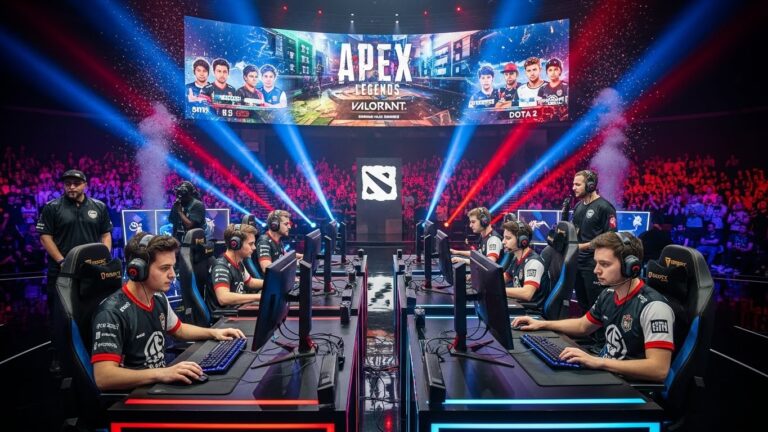
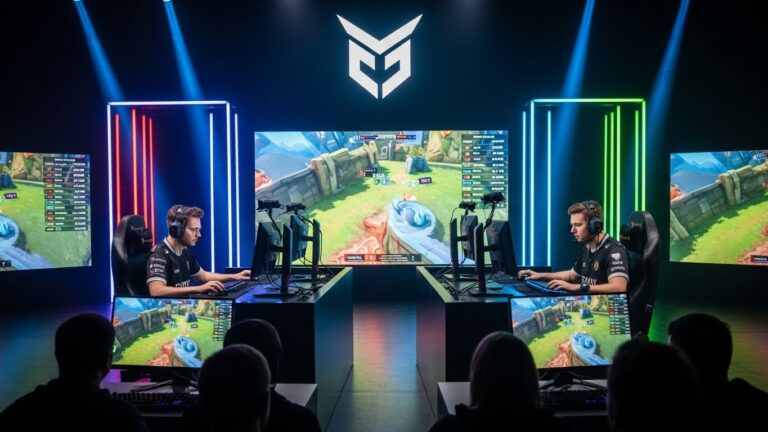
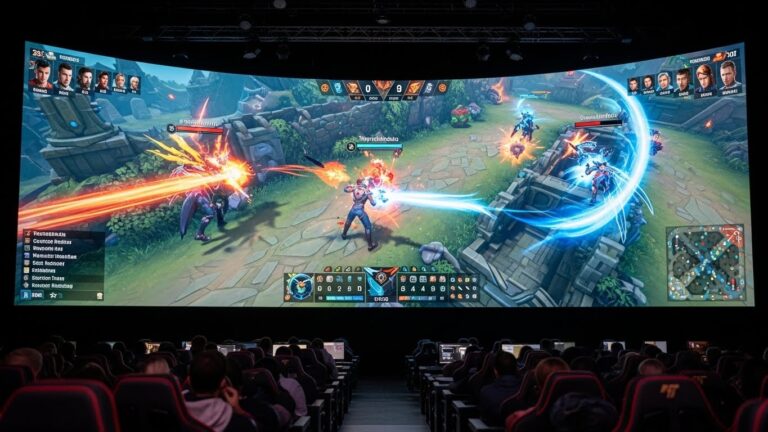
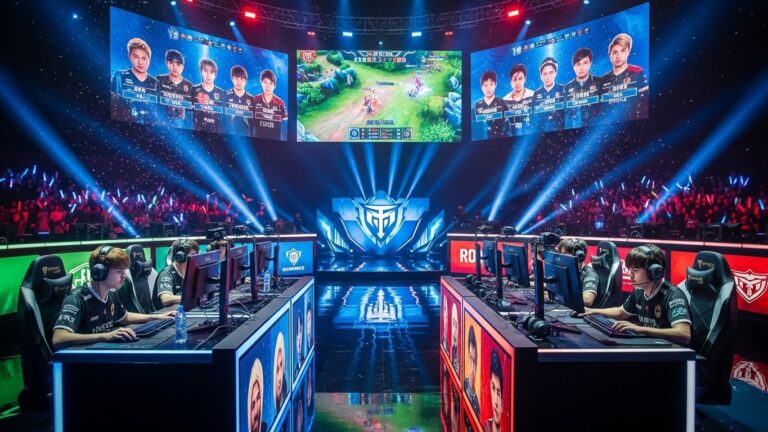
Esports, short for electronic sports, represents one of the fastest-growing sectors of the global entertainment and technology industry. What started as a niche hobby for passionate gamers has evolved into a multibillion-dollar ecosystem involving players, teams, sponsors, broadcasters, and fans from every corner of the world. Over the past two decades, esports has transitioned from dimly lit internet cafés and small LAN parties to packed stadiums filled with roaring crowds and millions of viewers watching live streams. It has become a cultural phenomenon that transcends geography, age, and language.
The journey of esports is not merely about gaming; it reflects the power of technology, human creativity, and community engagement. It demonstrates how digital spaces can nurture competitive spirit, teamwork, and innovation. As the world becomes more interconnected, esports continues to grow, shaping entertainment, careers, and even education.
The Origins of Esports
The roots of esports date back to the early 1970s, when the first organized video game competitions took place in universities and gaming clubs. The earliest known tournament was held at Stanford University in 1972 for the game Spacewar! where the prize was nothing more than a year’s subscription to a magazine. Yet, even that modest event marked the birth of organized competitive gaming.
During the 1980s, arcade culture exploded, and high scores became a source of fame among gamers. Titles like Pac-Man and Donkey Kong dominated the scene, and competitive leaderboards emerged. Magazines began publishing high-score rankings, fueling a spirit of rivalry among players. The 1990s brought personal computers and home consoles into the mix, laying the foundation for modern esports.
Games like Doom, Quake, and StarCraft introduced multiplayer modes that allowed players to connect and compete remotely. South Korea quickly emerged as a global leader in this arena. The government’s investment in high-speed internet, combined with the popularity of PC cafés, created the perfect environment for esports to flourish.
The Rise of Professional Esports
By the early 2000s, esports had transformed into a legitimate professional industry. Game developers began recognizing the potential of competitive gaming, sponsoring official tournaments and establishing leagues. One of the earliest global esports leagues, the Cyberathlete Professional League (CPL), gave players an opportunity to earn real income and fame.
South Korea’s StarCraft scene became legendary, with players achieving celebrity status and earning endorsement deals. The Korean eSports Association (KeSPA), formed in 2000, was among the first government-backed organizations to regulate and promote esports as a professional career. Meanwhile, the West saw rapid growth in competitive titles such as Counter-Strike, Warcraft III, and Halo.
The 2010s were a defining decade for esports. Streaming platforms like Twitch and YouTube Gaming revolutionized how audiences consumed content. Viewers could now watch tournaments and follow their favorite players in real time, fostering a global sense of community. The accessibility of streaming was a turning point—it turned gaming from a private pastime into a public spectacle.
The Global Expansion
Esports’ global appeal is undeniable. Major tournaments attract millions of viewers from countries as diverse as the United States, China, Brazil, and Sweden. Games like League of Legends, Dota 2, Counter-Strike: Global Offensive, Valorant, and Fortnite have established massive international followings.
Asia remains the heart of competitive gaming, particularly South Korea and China. Korean players are often revered for their discipline and mechanical skill, especially in games like StarCraft and League of Legends. China has invested heavily in infrastructure, building esports arenas, training facilities, and educational programs. The United States and Europe have also embraced the movement, with major leagues, collegiate programs, and professional organizations emerging rapidly.
The global nature of esports has created opportunities for cultural exchange and understanding. International tournaments bring players from different regions together, showcasing varied playstyles and strategies. This cross-pollination has enriched the competitive landscape, making esports not only a sport but also a celebration of global diversity.
The Economics of Esports
The economic dimension of esports is staggering. What was once viewed as a hobby has become an industry worth billions. Prize pools for major tournaments often rival those of traditional sports. For instance, The International, the annual Dota 2 world championship, regularly offers prize pools exceeding tens of millions of dollars, largely funded by the gaming community through in-game purchases.
Sponsorships, advertising, merchandise, ticket sales, and media rights form the financial backbone of the esports ecosystem. Companies outside the gaming industry—such as automobile manufacturers, tech giants, and beverage brands—have entered the esports space to reach younger audiences.
Professional teams operate much like traditional sports franchises, with management, training staff, analysts, and marketing departments. Players sign contracts, receive salaries, and often live in team houses where they practice under strict schedules. This level of professionalism underscores the legitimacy of esports as a career path.
Esports and Technology
Technology is the lifeblood of esports. Every advancement—from faster internet speeds to improved game engines—has fueled its growth. Virtual reality (VR), augmented reality (AR), and artificial intelligence (AI) are poised to further revolutionize the experience for both players and fans.
Streaming platforms rely on cloud infrastructure to deliver high-definition broadcasts with minimal delay. Gaming peripherals such as mechanical keyboards, high-refresh monitors, and custom controllers have become essential tools of the trade. Advanced analytics now help teams study opponents, optimize strategies, and measure performance in ways that mirror traditional sports.
Moreover, 5G technology is expanding the potential of mobile esports, allowing players to compete seamlessly from almost anywhere in the world. This democratization of access has opened the door to new audiences, especially in regions where consoles or high-end PCs are less common.
The Role of Community and Culture
Esports thrives on community engagement. Fans are not just passive spectators—they actively participate through online forums, social media, fan art, and local tournaments. Streaming platforms have blurred the line between professional players and fans, creating a more intimate connection than traditional sports ever achieved.
Communities often form around specific games, creating their own cultures, traditions, and memes. For instance, League of Legends fans celebrate their yearly World Championship like a global holiday, while Counter-Strike fans cherish the long-standing rivalries between top-tier teams.
Esports also promotes inclusivity. While certain titles have faced criticism for lacking diversity, there is a growing push to make gaming spaces more welcoming for women, LGBTQ+ players, and individuals from different cultural backgrounds. Organizations and developers are now investing in initiatives to ensure fair representation and equality.
Esports Education and Career Paths
As esports has matured, it has opened up a wide range of professional opportunities beyond just playing games. Universities across the world have introduced esports degrees and scholarships, recognizing its potential as a serious academic discipline. These programs cover areas such as game design, event management, broadcasting, psychology, and marketing.
Coaching, shoutcasting (commentary), analysis, production, and event management are now viable career paths. Even sports psychologists and nutritionists play crucial roles in ensuring the mental and physical well-being of players. The integration of esports into education has legitimized it as a structured, skill-based pursuit comparable to athletics or performing arts.
Challenges Facing the Esports Industry
Despite its success, esports faces significant challenges. Player burnout is a major concern, as professional gamers often train for long hours with little rest. Mental health issues, stress, and physical strain are common. The industry is still developing standardized regulations regarding player contracts, salaries, and working conditions.
Cheating, match-fixing, and doping scandals occasionally tarnish esports’ reputation, highlighting the need for stricter governance and oversight. Moreover, balancing competitive integrity with the commercial goals of publishers can be difficult. Some games fade from popularity as new titles emerge, forcing players and teams to adapt rapidly.
There is also an ongoing debate about whether esports should be included in the Olympics. While some argue it embodies the spirit of competition, others question its suitability due to its digital nature and the violence depicted in some games. Regardless of this debate, esports has already achieved global recognition on its own terms.
The Future of Esports
Looking ahead, esports shows no signs of slowing down. The continued integration of emerging technologies will make experiences more immersive. Augmented and virtual reality could redefine how fans interact with games, turning viewing into a fully interactive experience. Artificial intelligence could refine player training and spectator engagement through data-driven insights.
Esports will likely continue merging with other industries, such as entertainment, music, and fashion. Celebrity collaborations and branded events are becoming increasingly common. Additionally, with the rise of blockchain and digital collectibles, fans can expect new forms of engagement and investment opportunities within the esports ecosystem.
Mobile esports is another frontier. With billions of smartphone users globally, mobile titles like PUBG Mobile, Mobile Legends, and Free Fire have attracted massive audiences, particularly in regions like South Asia and Latin America. The accessibility of mobile platforms ensures that competitive gaming will continue to reach new demographics.
Esports and Society
Esports has influenced society in profound ways. It has reshaped how people perceive gaming, turning it from a solitary hobby into a social and professional pursuit. Parents who once discouraged gaming now see it as a viable career, and schools incorporate it into extracurricular programs to teach teamwork, communication, and problem-solving.
Esports events foster social interaction and community building, offering a sense of belonging for many who might feel isolated elsewhere. It bridges generational gaps, with older fans appreciating its competitive depth and younger fans relating to its digital nature.
Moreover, esports has become a platform for social causes and charity. Many tournaments raise funds for humanitarian efforts, mental health awareness, and disaster relief. This demonstrates that gaming, far from being a form of escapism, can have real-world positive impacts.
The Psychological Side of Esports
Success in esports is not just about reflexes and reaction time—it demands sharp mental focus, emotional control, and adaptability. Top players often undergo rigorous mental training to handle the pressure of competition. Sports psychology plays an increasingly vital role in helping players maintain composure during high-stakes matches.
Team chemistry is another critical factor. Unlike traditional sports, where players physically train together, esports teams often practice in virtual spaces. Effective communication, trust, and mutual respect are essential to success. Many organizations now hire psychologists and performance coaches to build stronger team dynamics and prevent burnout.
The Social Impact of Streaming and Influencers
Streaming culture has become an inseparable part of esports. Influencers and streamers not only entertain but also serve as ambassadors for gaming culture. Their ability to connect directly with fans humanizes the competitive scene and drives engagement.
Platforms that allow real-time interaction between streamers and audiences have transformed how fans consume content. Rather than passively watching, fans can engage in chats, vote on decisions, or support their favorite players through donations. This interactivity fosters loyalty and transforms fans into active participants in the esports ecosystem.
Conclusion
Esports stands as one of the most remarkable cultural developments of the 21st century. From humble beginnings to global stardom, it has redefined what competition means in the digital age. Its growth reflects not only technological progress but also humanity’s desire for connection, creativity, and mastery.
As esports continues to evolve, it challenges outdated stereotypes about gaming and opens new possibilities for education, business, and entertainment. The boundaries between virtual and physical sports are blurring, and esports is leading that transformation.
The future of esports is limitless. Whether as a player, a fan, or a professional in its vast ecosystem, anyone can be part of this digital revolution. It is not just a trend—it is a defining chapter in modern culture, symbolizing how technology and passion can unite people across the globe.
About the Author