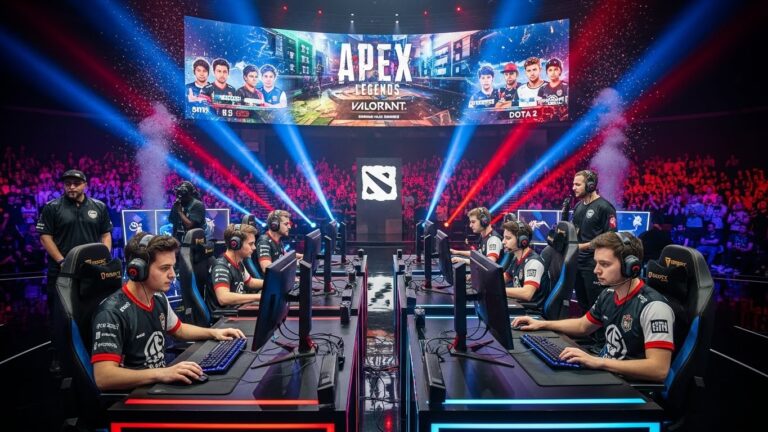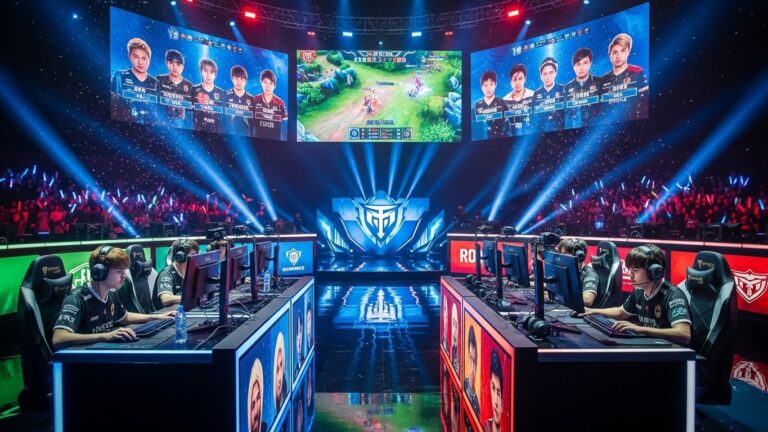

Esports has undergone a monumental transformation over the past decade, evolving from casual gaming into a competitive and professional global phenomenon. What was once considered a niche hobby for a small group of gamers has now grown into an entertainment juggernaut, with millions of fans, highly skilled players, and substantial financial backing. Today, esports is not just about playing games; it’s about creating and experiencing a new kind of digital sport. This blog will explore the rise of esports, its impact on traditional sports, and the future it holds as a dominant force in the entertainment industry.
The Origins of Esports: A Digital Playground Turns Competitive
The roots of esports can be traced back to the early days of gaming in the 1980s and 1990s. While gaming was initially a solitary activity, the development of multiplayer games began to change that. Doom and Quake, for example, allowed players to connect over local area networks (LANs) to compete against each other. These early multiplayer experiences laid the foundation for the first major competitive gaming tournaments in the late 1990s and early 2000s.
In the early days, competitions were relatively small, and the idea of professional esports was still far from reality. It wasn’t until games like StarCraft and Warcraft III gained popularity in South Korea during the early 2000s that esports began to emerge as a more formalized, organized, and competitive space. By the mid-2000s, South Korea was home to professional gaming leagues, with StarCraft tournaments broadcast on national television. This marked the first real recognition of esports as a legitimate and serious sport.
Esports Today: A Global Industry with a Massive Following
Fast forward to today, and esports is a global industry worth billions of dollars. Major esports titles like League of Legends, Dota 2, Counter-Strike: Global Offensive, Overwatch, and Fortnite have amassed huge fan bases and offer millions of dollars in prize money. Events like the League of Legends World Championship and The International (Dota 2) have become marquee events, attracting viewers that rival traditional sports finals such as the Super Bowl or the FIFA World Cup.
Professional esports players have risen to the status of celebrities, with huge social media followings and endorsement deals from major brands. The rise of platforms like Twitch, YouTube Gaming, and Facebook Gaming has also contributed to this boom, enabling fans to watch live tournaments, engage with their favorite players, and even compete in community-driven events.
Esports is no longer limited to a single game or genre. It spans a wide range of titles, from multiplayer online battle arena (MOBA) games like League of Legends, to first-person shooters (FPS) like Call of Duty and Counter-Strike, to battle royale games like Fortnite and Apex Legends. This diversity has helped esports attract a broad and varied audience, ensuring its place in the global entertainment landscape.
The Esports Ecosystem: Teams, Tournaments, and Sponsorships
One of the driving forces behind esports’ growth has been its well-developed ecosystem. Much like traditional sports, esports has a robust structure consisting of professional teams, leagues, sponsorships, media deals, and fan engagement. Professional teams now operate like major sports franchises, with large rosters, coaches, analysts, and support staff to help players perform at their best.
Top-tier esports organizations such as Team Liquid, Cloud9, T1, and FaZe Clan field teams in multiple games, allowing them to diversify their skill sets and fanbases. These teams compete in regular leagues and tournaments, such as the Overwatch League, Call of Duty League, and Valorant Champions Tour, offering both local and international events. The intense competition within these leagues mirrors traditional sports, with players constantly battling for dominance in their respective games.
Sponsorships have been a major contributor to the financial success of esports. Global brands like Coca-Cola, Intel, Nike, and Red Bull have partnered with esports organizations and tournaments to reach the younger, tech-savvy audience that makes up the core demographic of esports fans. These sponsorships not only fund tournaments but also contribute to player salaries and the overall infrastructure of the esports industry.
The Cultural Impact of Esports: Redefining Entertainment
Esports has gone beyond being just a form of competition; it has become an integral part of popular culture. The rise of streaming platforms like Twitch has enabled fans to watch live gaming content in real-time, interact with streamers, and even participate in fan-driven events. The culture surrounding esports is highly interactive, with viewers not just passively watching but actively engaging with the players and the community.
For many young people, esports provides a sense of belonging. It’s not just about the games; it’s about being part of something bigger—a global community that shares common interests, values, and experiences. Esports tournaments are often broadcast live, with fans filling arenas to watch their favorite teams battle for victory. The energy and excitement in the air are similar to that of any major sporting event, and the sense of camaraderie among fans is undeniable.
Moreover, esports has become an avenue for socialization. Platforms like Discord and Reddit host active communities where fans discuss strategies, share fan art, or simply bond over their love for a particular game or team. Esports has not only redefined competitive gaming but has also built a new form of digital entertainment that connects people across the globe.
The Future of Esports: Growth, Mainstream Recognition, and Challenges
Looking ahead, the future of esports appears bright, though it’s not without its challenges. As the industry grows, it faces several issues that need to be addressed. One of the biggest challenges is ensuring the sustainability of esports careers. Professional players often face burnout due to the intense nature of competition and the pressure to constantly perform. This has led to growing concerns about player health, both physical and mental. As esports continues to mature, creating systems for player well-being and career longevity will be essential.
Another challenge is the need for regulatory oversight. Just as traditional sports have governing bodies to ensure fairness, transparency, and integrity, esports needs comprehensive rules to prevent cheating, match-fixing, and other forms of corruption that could undermine the industry’s credibility.
In terms of growth, the prospect of esports becoming part of the Olympic Games is an exciting possibility. Several discussions have taken place regarding the inclusion of esports in the Olympics, but logistical and ethical concerns—such as the nature of video games and their violent content—continue to spark debates. Regardless, the increasing recognition of esports as a legitimate form of competition in major media and sports outlets suggests that it’s on the path to mainstream acceptance.
Finally, with emerging technologies such as virtual reality (VR) and augmented reality (AR), esports could evolve into even more immersive experiences. The integration of VR could offer new ways for fans to experience tournaments, where they can virtually attend events or even compete in immersive gaming experiences.
Conclusion: Esports is Here to Stay
Esports has come a long way from its humble beginnings as a niche hobby. It has grown into a global industry with millions of fans, professional players, and massive tournaments. It’s clear that esports is not just a trend—it’s a new form of competition and entertainment that has captured the imagination of millions around the world.
As technology advances and the esports ecosystem continues to mature, it’s safe to say that esports will only become more ingrained in mainstream culture. For fans and players alike, esports represents a dynamic, exciting, and evolving world of digital competition that shows no signs of slowing down. The future is bright for esports, and we’re just getting started.
Get smarter responses, upload files and images, and more.
About the Author