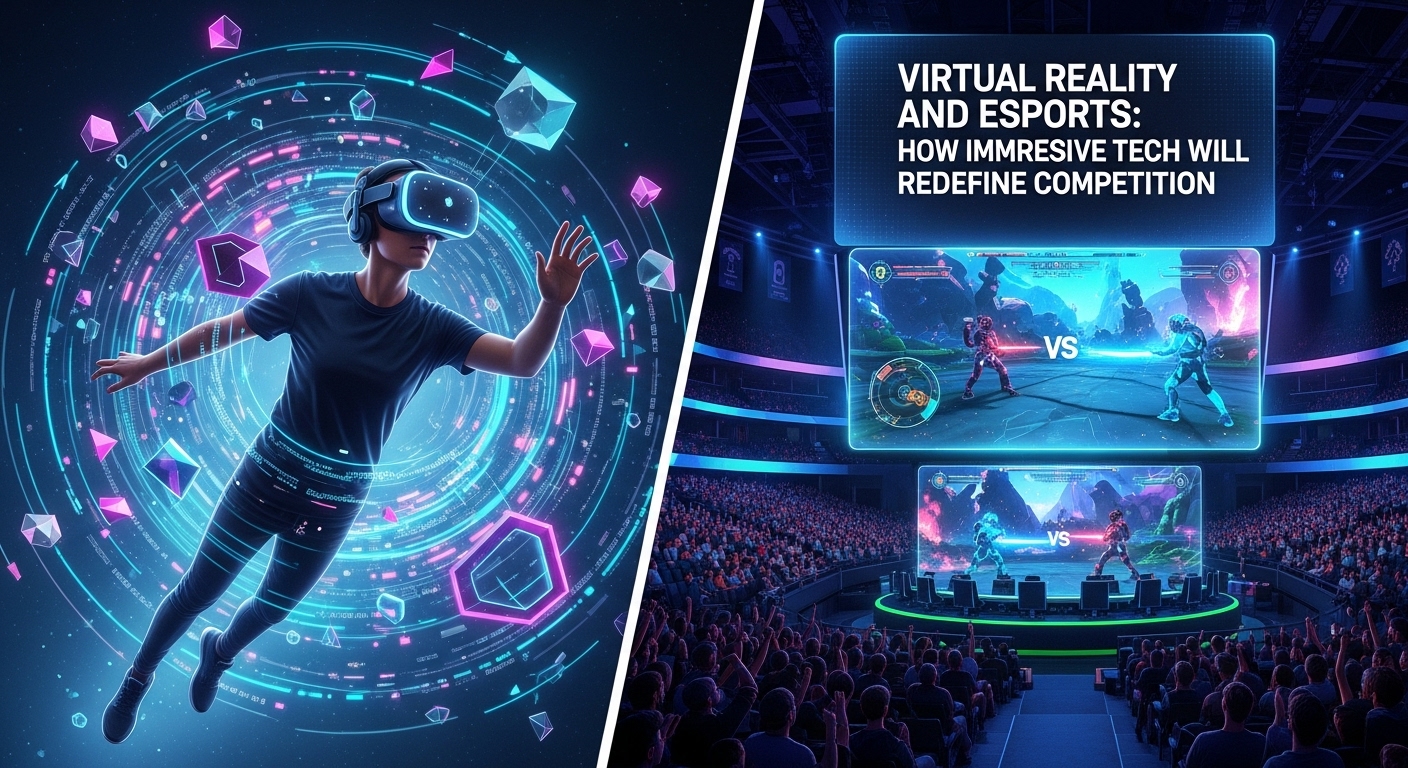
Introduction to Esports
Esports, short for electronic sports, refers to organized, competitive video gaming. Over the past few decades, this digital phenomenon has transformed from a niche hobby enjoyed by a few enthusiasts into a global entertainment powerhouse that attracts millions of viewers, professional players, and massive corporate investments. What began as small-scale LAN tournaments among friends has evolved into professional leagues, world championships, and multimillion-dollar industries supported by sponsors, broadcasters, and gaming developers.
The appeal of esports lies in its ability to merge skill, strategy, and technology in an environment that anyone can access. Whether you are a casual gamer or a dedicated professional, esports opens doors to competition and community unlike any other modern activity. It is a perfect reflection of the digital age—global, inclusive, and constantly evolving.
The Early Days of Competitive Gaming
The story of esports began much earlier than most people think. In the early 1970s, gaming competitions were small and often held in universities or arcades. The first known gaming tournament took place in 1972 at Stanford University, featuring the game “Spacewar.” Players competed for a year’s subscription to a popular magazine, not for fame or fortune.
As video games became more advanced in the 1980s and 1990s, arcades became centers of competition. Games like Pac-Man, Donkey Kong, and Street Fighter introduced the concept of high scores, which encouraged players to challenge one another. By the late 1990s, with the rise of personal computers and internet connectivity, online gaming began to flourish. Titles such as Quake, StarCraft, and Counter-Strike laid the groundwork for what would soon become organized esports.
The Rise of Modern Esports
The 2000s marked the birth of professional esports as we know it today. Broadband internet allowed players from different parts of the world to compete in real-time. Game developers began to realize that organized competition could extend the lifespan and popularity of their titles. Tournaments became more structured, prize pools grew larger, and spectatorship began to increase dramatically.
Games like League of Legends, Dota 2, Call of Duty, and Counter-Strike: Global Offensive became staples of the esports scene. With millions of active players and passionate fanbases, these games fostered professional leagues that mirrored traditional sports organizations. The accessibility of streaming platforms like Twitch and YouTube Gaming gave esports its biggest boost, allowing fans to watch their favorite players and teams live from anywhere in the world.
The Structure of Professional Esports
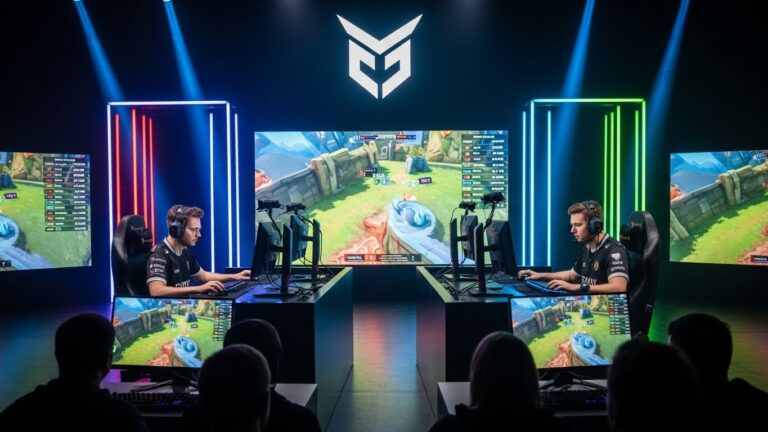
Esports today operates much like traditional sports, with professional teams, coaches, analysts, sponsors, and fans. Players train for hours every day, refining their skills and studying their opponents. Major organizations employ staff to manage logistics, marketing, and player health. Many teams are now owned or sponsored by traditional sports franchises, celebrities, or multinational corporations.
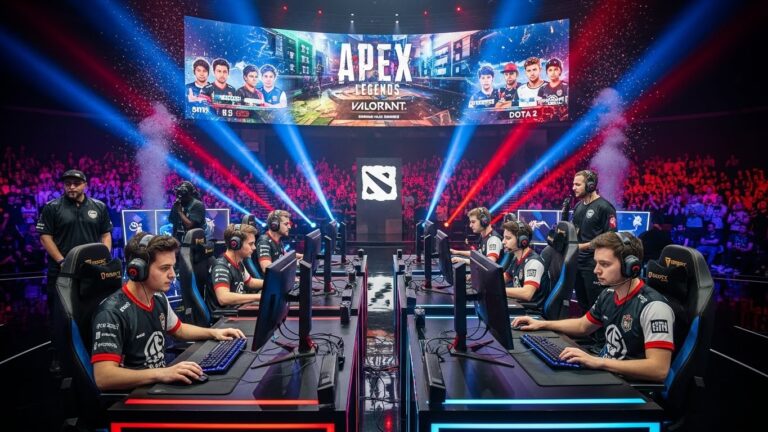
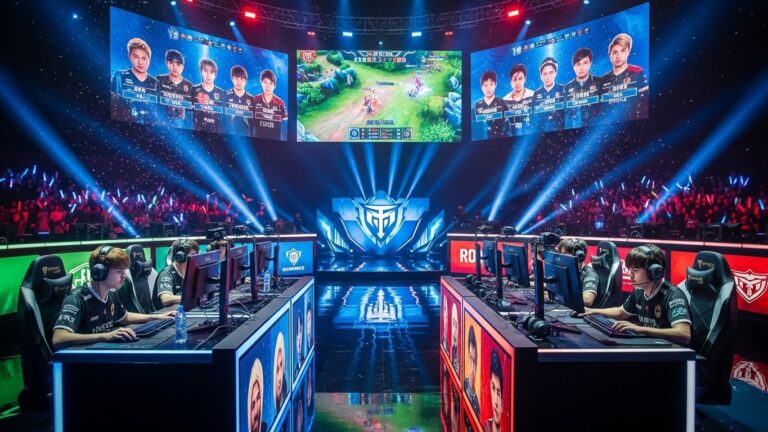
Tournaments and leagues are central to esports. Competitions like The International for Dota 2, League of Legends World Championship, and Fortnite World Cup attract massive viewership and offer millions in prize money. These events are broadcast to audiences around the globe, filling arenas and attracting sponsorships from major brands in technology, energy drinks, apparel, and beyond.
Popular Esports Games
While hundreds of games have competitive scenes, a few titles stand out as pillars of modern esports.
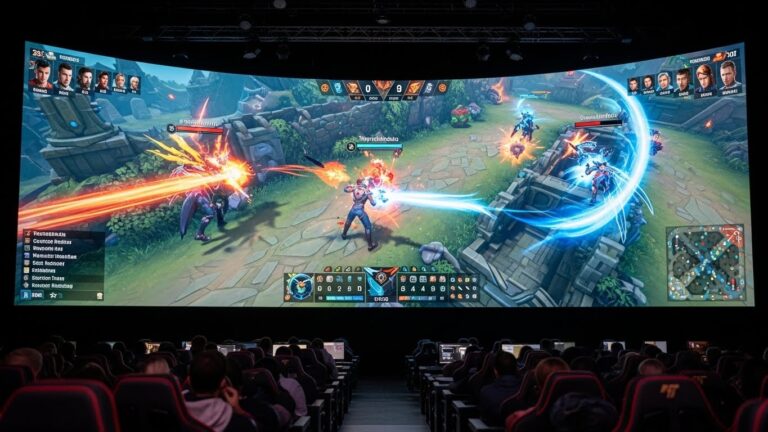
League of Legends: Developed by Riot Games, this multiplayer online battle arena (MOBA) title remains one of the most-watched esports in the world. Its professional league structure and annual World Championship are among the most prestigious in gaming.
Dota 2: Valve’s Dota 2 is known for its complexity and massive prize pools. The International, its premier event, has awarded tens of millions of dollars to competitors through community-funded prize pools.
Counter-Strike: Global Offensive (CS:GO): A tactical first-person shooter that rewards precision, teamwork, and strategy. Its long-standing competitive scene has produced legendary players and unforgettable moments.
Fortnite: Epic Games’ battle royale title redefined esports for younger audiences. Its mix of accessibility, creativity, and massive tournaments turned it into a cultural phenomenon.
Valorant: A more recent addition, Riot Games’ tactical shooter has rapidly built a strong professional scene, combining the gunplay of CS:GO with character abilities similar to Overwatch.
Esports and Technology
Technology plays a vital role in the growth and sustainability of esports. High-performance computers, fast internet connections, and cutting-edge streaming technology have made it possible for players and fans to connect worldwide.
Virtual reality (VR) and augmented reality (AR) are beginning to shape the next generation of esports experiences. These technologies may soon allow players to compete in more immersive environments, bringing a new level of realism and excitement. Artificial intelligence is also being integrated into training programs, helping players analyze their performance and develop better strategies.
Furthermore, cloud gaming platforms are expanding accessibility, allowing players with modest hardware to participate in competitive gaming using streaming technology. This will likely increase the number of participants globally and make esports more inclusive.
The Global Impact of Esports
Esports has become a worldwide phenomenon with a massive following across continents. Asia, particularly South Korea and China, has long been at the forefront of competitive gaming culture. South Korea, in particular, is often referred to as the birthplace of modern esports due to its early establishment of professional leagues and gaming culture.
In North America and Europe, esports continues to grow rapidly, with universities offering scholarships for esports athletes and mainstream media beginning to cover tournaments alongside traditional sports. Latin America, the Middle East, and Africa are also emerging as strong markets, with local tournaments and new gaming infrastructures being developed.
The global reach of esports has made it a powerful force for cultural exchange. Fans from different regions come together through shared passions, bridging linguistic and geographical barriers. Major events are celebrated internationally, fostering a sense of unity in the digital age.
The Business of Esports
Esports is not just entertainment—it is big business. The industry’s revenue sources include sponsorships, advertising, merchandise, ticket sales, and media rights. Brands ranging from tech giants to automobile companies have entered the esports space to reach younger audiences.
Franchise-based leagues, such as the Overwatch League and Call of Duty League, have introduced structured ecosystems similar to those of the NBA or Premier League. Teams can now have city-based identities, encouraging local fandoms and creating more opportunities for community engagement.
Esports also fuels related industries such as streaming, gaming hardware, apparel, and even real estate, with the development of esports arenas and training facilities.
The Role of Streaming and Content Creation
Streaming platforms have been one of the key drivers of esports popularity. Websites and apps that allow gamers to broadcast their gameplay have transformed how fans engage with content. Streamers can build their own brands, connect with audiences directly, and often transition into professional players or commentators.
The relationship between esports and streaming has created an entirely new form of entertainment. Instead of just watching a final match, fans now follow their favorite players daily, learning their strategies, personalities, and routines. This constant connection keeps the community alive and thriving even between tournaments.
The Path to Becoming a Professional Player
Becoming a professional esports athlete is a dream for many young gamers. However, just like in traditional sports, success requires dedication, discipline, and a lot of practice. Players typically start by competing in amateur tournaments and climbing the ranks of online leaderboards.
Once they attract attention for their performance, they may be scouted by teams or coaches. Many professional players begin their careers as teenagers, training intensely for several hours each day. Beyond raw skill, teamwork, communication, and mental resilience are essential qualities for success.
Esports organizations are also becoming more aware of player well-being. Many teams now provide physical trainers, psychologists, and nutritionists to ensure that their players maintain a healthy balance between gaming and personal life.
Esports and Education
Esports has found its way into the educational system as well. Schools and universities around the world are introducing esports programs, offering degrees in game design, marketing, and event management. Some institutions even provide scholarships to talented players, recognizing the potential of esports as a legitimate career path.
These programs teach not only gameplay but also teamwork, leadership, and communication—skills valuable both in and out of the gaming world. The inclusion of esports in education helps to further legitimize it as a serious discipline rather than a mere pastime.
The Cultural Influence of Esports
Esports has had a tremendous cultural impact. It has shaped fashion, music, and online entertainment, influencing how young people express themselves. Players and teams often have large social media followings, becoming influencers in their own right.
Game soundtracks, esports anthems, and collaborations between gaming and music artists have become common. Esports events are now massive spectacles featuring live performances, elaborate stage designs, and digital artistry. This fusion of gaming and popular culture has created a new form of entertainment that appeals to a diverse audience.
Challenges in the Esports Industry
Despite its growth, esports faces several challenges. Player burnout is one of the most pressing issues, as the intense training schedules and constant competition can lead to mental and physical exhaustion. The fast-paced nature of gaming also means that careers can be short, with new players constantly emerging.
Other challenges include maintaining fair play and integrity. Cheating, match-fixing, and the use of unauthorized software have occasionally tarnished the reputation of certain tournaments. Organizations are continually developing new regulations and technologies to combat these issues.
Additionally, the industry must address diversity and inclusion. While esports is open to everyone, female players and marginalized groups still face barriers to participation and recognition. Initiatives promoting inclusivity are gaining momentum, aiming to ensure that esports remains a welcoming and equitable space for all.
The Future of Esports
The future of esports looks brighter than ever. As technology continues to evolve, new gaming experiences will emerge, and the boundaries between physical and digital sports will blur even further. Virtual reality tournaments, AI-powered training systems, and more immersive broadcasting experiences are likely to define the next era of competitive gaming.
Esports may also become a regular feature in international sporting events. Discussions about including esports in the Olympics have already begun, reflecting its growing legitimacy on the global stage. As the industry matures, more professional standards, governance structures, and educational pathways will develop, ensuring its sustainability for generations to come.
Conclusion
Esports has transcended its origins as a hobby to become a global movement that combines passion, technology, and human potential. It embodies the digital era’s spirit of innovation, connection, and competition. From the early arcade battles to today’s international championships, esports continues to inspire millions of players and fans worldwide.
As it evolves, esports will remain a symbol of how far gaming has come and a glimpse into how the future of entertainment, sports, and technology will continue to intertwine. The world of esports is not just about games—it is about people, stories, and the endless pursuit of excellence in a digital age.
(Word count: approximately 2,240 words)
About the Author