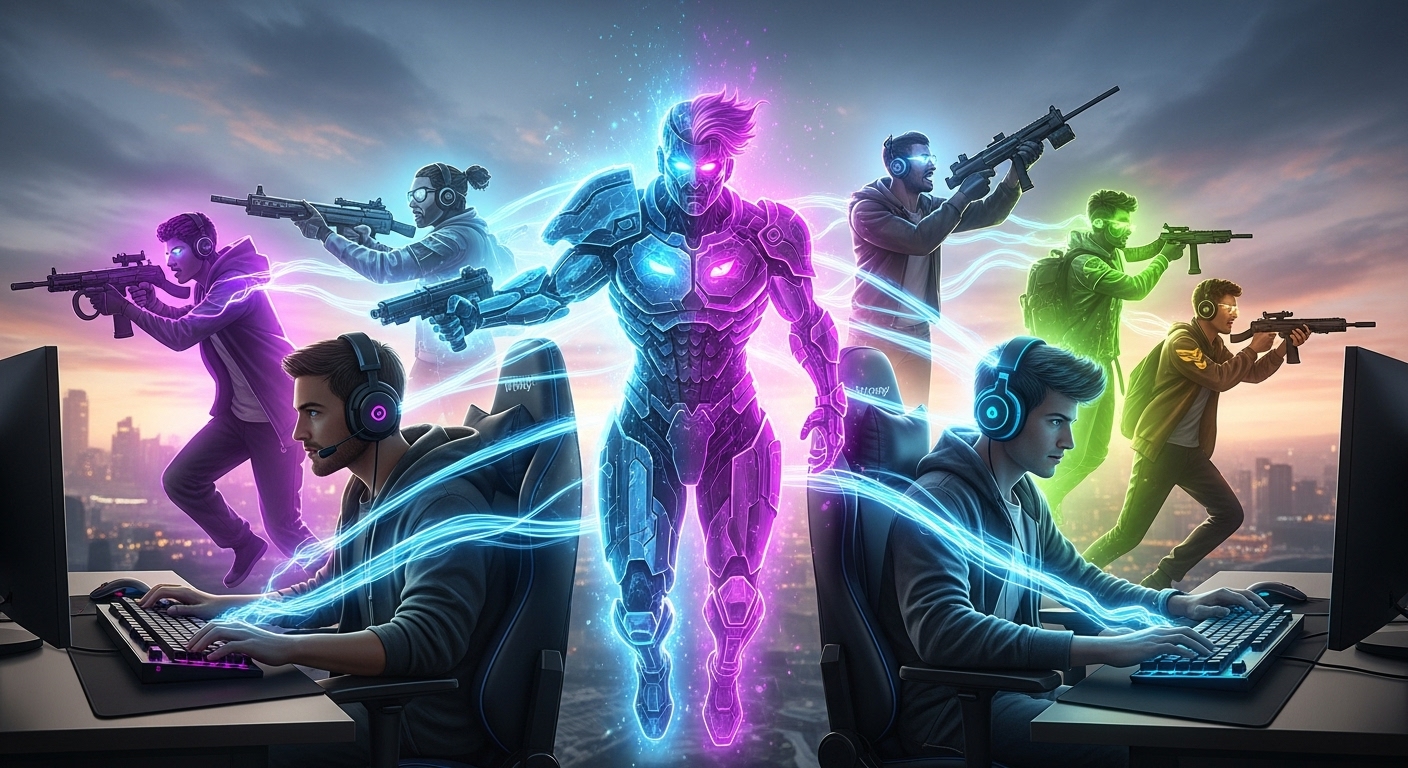
Introduction: The Rise of Competitive Gaming
Not too long ago, gaming was considered a solitary or casual pastime—a way to unwind after work or school, maybe compete with friends, and then move on. Fast forward to today, and gaming has evolved into something far bigger and more organized: Esports. What was once a niche hobby for tech enthusiasts is now a global industry attracting millions of fans, professional players, and major sponsors. Stadiums fill up for tournaments, fans tune in by the millions online, and the best players earn fame and fortune rivaling that of traditional athletes.
Esports isn’t just a new form of entertainment; it’s a new culture, economy, and career path. Its growth tells a fascinating story of how technology, community, and competition can combine to create an entire ecosystem that mirrors—and sometimes even surpasses—traditional sports.
The Humble Beginnings: Where It All Started
The roots of esports stretch back farther than most people realize. The first known video game competition took place in 1972 at Stanford University, where students competed in a game called Spacewar!. The prize? A year’s subscription to Rolling Stone magazine. Hardly the million-dollar tournaments of today, but it was a spark that would ignite a movement.
By the 1980s, the rise of arcade games like Pac-Man and Donkey Kong inspired friendly rivalries and early forms of leaderboards. High scores became a badge of honor, and gaming magazines began featuring the top players, giving them a taste of recognition. Still, gaming was far from mainstream—most saw it as a curiosity, not a legitimate sport.
The 1990s changed everything. The internet connected players across the world, and multiplayer games like Doom, StarCraft, and Quake laid the foundation for organized competitions. The first esports leagues and tournaments emerged, giving structure to what was once a casual pastime. For the first time, gaming wasn’t just about fun—it was about prestige, teamwork, and skill on a professional level.
The 2000s: The Era of Online Competition
The early 2000s were pivotal for esports. Broadband internet became more accessible, PCs became more powerful, and online gaming communities exploded. South Korea led the charge, turning games like StarCraft into national obsessions. Dedicated television channels aired live matches, and pro players became celebrities. It was the first glimpse of what esports could become—a legitimate, spectator-driven sport.
Meanwhile, in the West, titles like Counter-Strike, Warcraft III, and Halo began building strong competitive scenes. LAN parties and online tournaments became common, attracting sponsors and fans. Esports began to develop the trappings of traditional sports: professional teams, coaches, commentators, and structured leagues. The groundwork was being laid for what would soon become a global industry.
The Explosion of Streaming: How Accessibility Changed Everything
One of the biggest turning points in esports history came with the rise of live streaming. Before streaming platforms, watching esports was limited to those who could attend tournaments or find obscure online broadcasts. Then came platforms like Twitch and YouTube Gaming, which made esports accessible to anyone with an internet connection.
This changed everything. Fans could now watch their favorite players practice, compete, and interact in real time. Games like League of Legends, Dota 2, and Counter-Strike: Global Offensive built massive followings. Tournaments became global events with millions of viewers—rivaling the audiences of traditional sports.
Streaming didn’t just expand esports viewership; it democratized it. Anyone with skill and charisma could build a following, turn gaming into a career, and even get discovered by professional teams. It blurred the line between entertainment and competition and created a new kind of celebrity—the gaming influencer.
The Business of Esports: A Billion-Dollar Industry
Today, esports is a booming industry. Analysts estimate its global value in the billions, driven by sponsorships, advertising, media rights, and merchandise. Major corporations—from tech giants to beverage brands—have jumped on board, seeing esports as the key to reaching younger, digitally native audiences.
Franchised leagues have emerged, mirroring traditional sports structures. Games like Overwatch, Call of Duty, and League of Legends now have city-based teams, complete with home arenas and dedicated fanbases. Player salaries have skyrocketed, and top competitors earn prize pools that rival professional athletes.
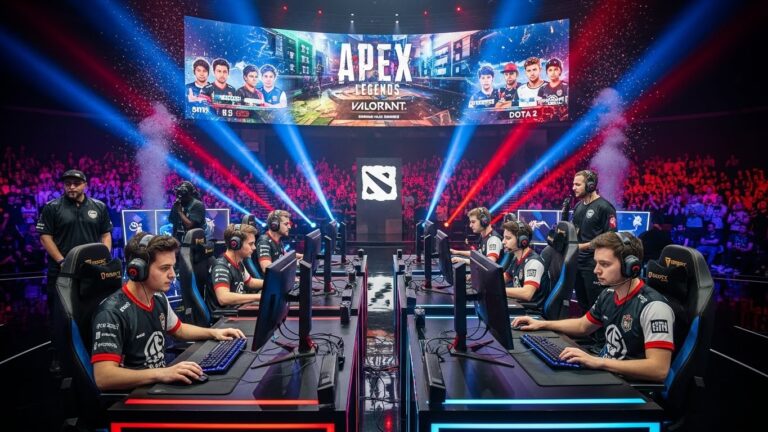
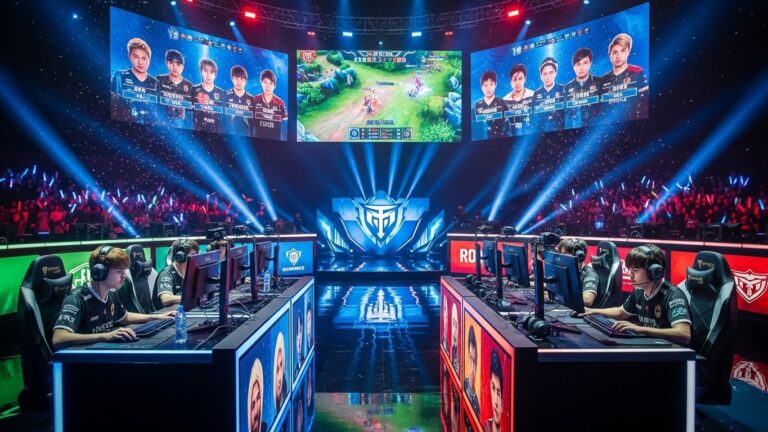
Beyond the money, esports has also transformed into a media powerhouse. Global tournaments like The International (for Dota 2) and the League of Legends World Championship draw millions of live viewers. The production quality of these events—complete with elaborate stage designs, pyrotechnics, and professional commentary—rivals that of the Olympics or the Super Bowl.
The Role of Technology: Pushing the Boundaries of Play
Technology has always been at the heart of esports, but modern advancements have pushed it to another level. High-speed internet, powerful gaming PCs, and ultra-responsive monitors allow for precision that was once impossible. Virtual reality, artificial intelligence, and motion tracking are now being explored to enhance both the player and viewer experience.
Cloud gaming is making esports more accessible by eliminating the need for expensive hardware. Meanwhile, data analytics tools are helping teams optimize performance, study opponents, and make strategic decisions much like traditional sports teams. The marriage of gaming and tech continues to drive innovation, making esports one of the most dynamic industries in the world.
Esports Culture: More Than Just Games
What truly sets esports apart is its culture. It’s not just about playing or watching—it’s about belonging. Fans form communities around their favorite teams, games, and personalities. Forums, social media, and live chats create constant interaction between players and supporters, fostering a sense of connection that traditional sports often lack.
Cosplay, fan art, memes, and gaming slang have become part of the esports identity. Conventions and expos celebrate the culture, drawing tens of thousands of fans who see gaming as more than entertainment—it’s a lifestyle. Esports has also helped break down cultural and language barriers, uniting players from every corner of the globe under a shared passion.
The Path to Professionalism: From Casual Gamer to Pro
Becoming a professional esports player isn’t as simple as being good at a game. It requires discipline, strategy, and countless hours of practice. The best players often train eight to twelve hours a day, analyzing their own gameplay, studying opponents, and improving their mechanics. Teams employ coaches, analysts, nutritionists, and even psychologists to help players perform at their peak.
There’s also the pressure of competition. Esports tournaments can be mentally exhausting, with players making split-second decisions that can make or break a match. The mental toughness required rivals that of any traditional athlete. Despite misconceptions, professional gamers are highly trained competitors who dedicate their lives to mastering their craft.
The Global Stage: Esports as an International Spectacle
Esports has transcended borders. Major tournaments take place across continents, and international rivalries have become a central part of the excitement. Events like The International, Fortnite World Cup, and Valorant Champions attract players from dozens of countries, creating a truly global competitive scene.
This global reach has also led to recognition from governments and organizations. Some countries, like South Korea and China, officially recognize esports athletes as professionals. Universities now offer scholarships for esports, and dedicated arenas are being built in cities worldwide. What once seemed like a fringe activity is now being treated with the same seriousness as traditional sports.
The Debate: Is Esports a “Real” Sport?
One of the most common debates surrounding esports is whether it qualifies as a “real” sport. Critics argue that it lacks physical exertion, while supporters point to the strategy, teamwork, and skill involved. The truth likely lies somewhere in between. Esports may not demand physical strength, but it does require extreme mental agility, reflexes, and coordination.
In fact, studies have shown that top esports players have reaction times and focus levels comparable to elite athletes in traditional sports. The pressure, preparation, and discipline are all there—it’s simply a different kind of competition. As definitions of “sport” evolve, esports continues to earn its place alongside football, basketball, and other global games.
The Social Impact: Redefining Community and Identity
Esports has done more than create careers and entertainment—it has reshaped how people connect. For many, gaming is a social outlet, a way to meet friends, collaborate, and compete in meaningful ways. It has given introverted or marginalized individuals a sense of belonging and purpose. Online gaming communities are diverse, inclusive, and often supportive, bringing together people who might never meet otherwise.
However, the scene isn’t without its challenges. Issues like toxicity, burnout, and gender inequality remain ongoing problems. Female players and underrepresented groups still face barriers, though progress is being made through diversity initiatives and inclusive tournaments. The industry is slowly learning that for esports to thrive, it must be as inclusive as it is competitive.
Education and Esports: A New Frontier
In recent years, esports has made its way into classrooms and universities. Schools around the world now have esports clubs and programs that teach teamwork, leadership, and strategic thinking through gaming. Some colleges even offer degrees in esports management, game design, and digital broadcasting. The line between education and entertainment is blurring, showing that gaming can be both fun and deeply instructive.
This educational integration also signals a shift in perception. Parents who once saw gaming as a distraction are beginning to see its potential as a legitimate career path. Esports scholarships and academic programs help bridge the gap between passion and profession, proving that gaming can be both productive and profitable.
The Future of Esports: What Lies Ahead
Looking forward, the future of esports appears boundless. The industry is projected to continue growing in revenue, audience size, and influence. As technology advances, the lines between gaming, entertainment, and sports will blur even further. Virtual and augmented reality could redefine how games are played and watched. Blockchain technology may reshape how digital assets, team ownership, and tournament rewards are handled.
There’s also potential for greater integration with mainstream media. Esports coverage is already appearing on major sports networks, and partnerships between gaming organizations and traditional sports leagues are becoming common. As generations raised on video games grow older, esports will continue to cement its place in popular culture.
The Emotional Connection: Why People Care
At its core, the appeal of esports isn’t just about watching people play video games—it’s about the stories. Every tournament has its underdogs, legends, and rivalries. Fans root for teams not just because they’re good, but because they represent something: passion, perseverance, and the pursuit of excellence.
For many, esports is a reflection of modern life—fast-paced, digital, and interconnected. It embodies the spirit of competition in a world that’s increasingly virtual. Whether you’re a player, fan, or casual observer, there’s something deeply human about the drive to win, the heartbreak of loss, and the joy of shared victory.
Challenges Ahead: Growing Pains of a Young Industry
Despite its success, esports still faces hurdles. Player burnout is a serious issue, with young competitors often retiring before they turn 25. The industry’s rapid growth has also led to concerns about sustainability, fair pay, and health. There are ongoing discussions about unionization, standard contracts, and player rights to ensure that esports remains fair and stable.
Cheating, match-fixing, and integrity issues have also surfaced, prompting stricter regulations and oversight. As money pours into the scene, maintaining credibility and transparency will be crucial. The good news is that many organizations are already taking steps toward professionalism and accountability, signaling a maturing industry.
Conclusion: More Than a Game
Esports has come a long way from its modest beginnings. What started as a small competition among students has evolved into a global powerhouse that rivals the biggest sports on the planet. It’s a reflection of how far technology, culture, and human ambition can go when they come together.
At its heart, esports is about connection—between players, fans, and communities across the world. It’s proof that competition doesn’t need to happen on a field or court to inspire millions. Whether you’re watching a world championship or playing a match online with friends, esports reminds us of one thing: games, when played with passion, can be far more than just entertainment—they can be a way of life.
About the Author