Introduction
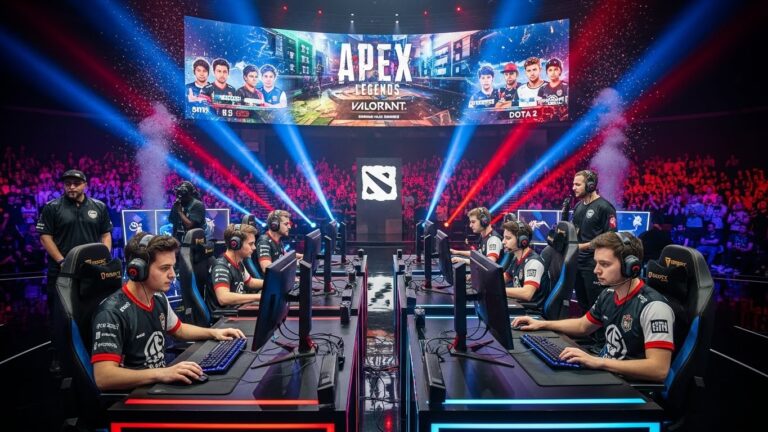
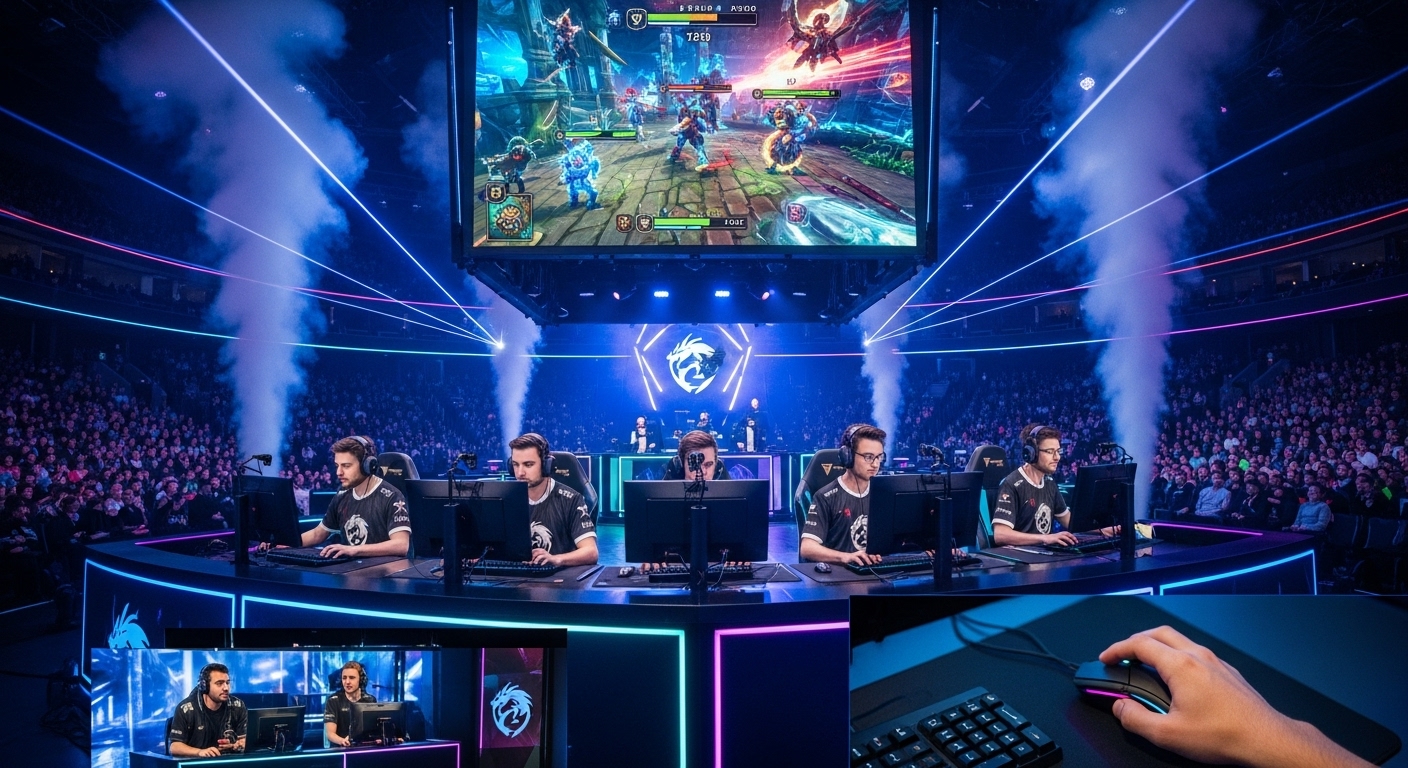
Esports, or competitive gaming, has rapidly evolved into a global phenomenon, captivating millions of players and viewers worldwide. Once considered a niche hobby, it now stands shoulder to shoulder with traditional sports, offering excitement, skill, and entertainment on a massive scale. Esports is more than just gaming—it represents a cultural shift, technological innovation, and a new frontier in competition.
The Growth of Esports
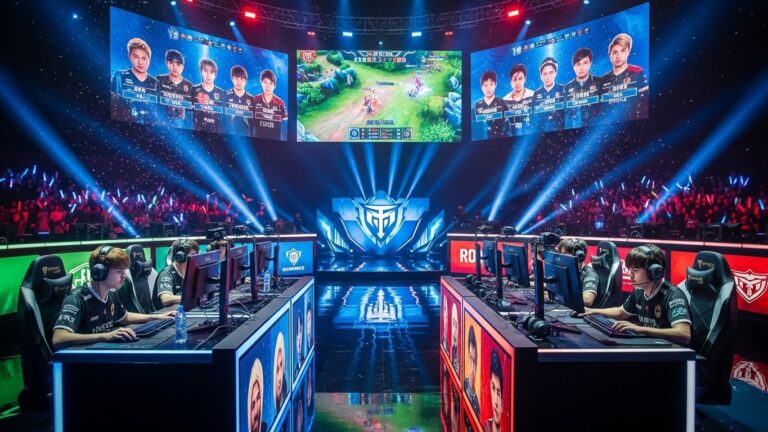
The journey of esports began with small competitions among dedicated gamers. Early tournaments were limited in scope, often organized in local gaming communities or online forums. With the advent of high-speed internet, live streaming, and professional platforms, esports exploded into a worldwide industry. Today, international tournaments draw millions of viewers, feature substantial prize pools, and are broadcast globally, showcasing the skill and dedication of professional gamers.
The Life of a Professional Gamer
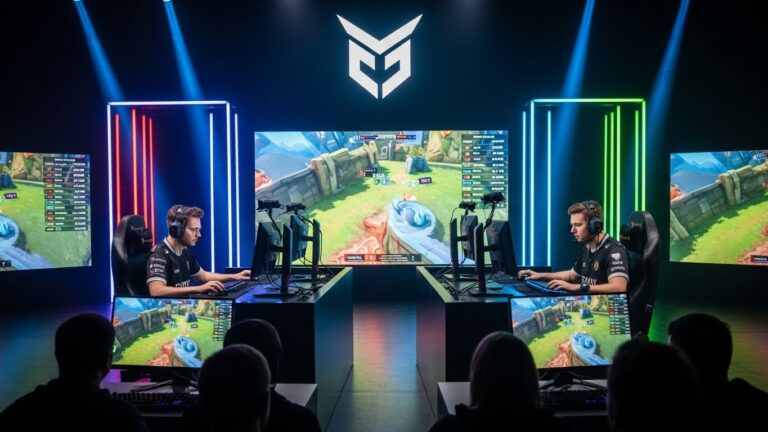
Professional esports players train rigorously, much like traditional athletes. Success requires not only quick reflexes and strategic thinking but also teamwork, discipline, and mental resilience. Daily routines often include hours of practice, reviewing gameplay footage, and analyzing strategies. The commitment of professional gamers highlights that esports is a serious and competitive field that demands dedication, focus, and constant improvement.
Technology Driving Esports
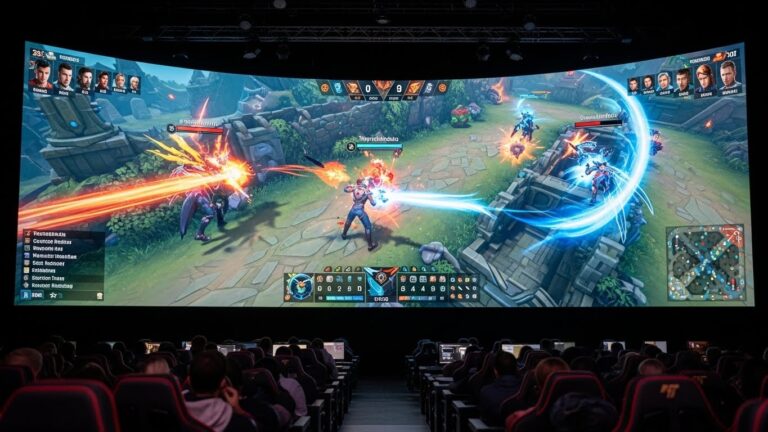
Esports relies heavily on technology to create seamless and immersive experiences. High-performance computers, fast internet connections, and sophisticated gaming software ensure competitive play at the highest level. Live streaming platforms allow global audiences to watch events in real time, while advancements in virtual reality and augmented reality are set to revolutionize the way players and viewers experience esports.
The Social and Cultural Impact
Esports has transformed how people connect and interact. Online communities allow players from around the world to compete, collaborate, and share experiences. Tournaments and live events foster a sense of camaraderie among fans, turning gaming into a social and cultural phenomenon. Beyond the games themselves, esports influences music, fashion, and media, making it a prominent part of modern culture.
The Economic Significance of Esports
Esports is not just entertainment; it is a thriving industry. Revenue streams include sponsorships, advertising, merchandise, and ticket sales for live events. Educational institutions are introducing esports programs, offering scholarships and career opportunities in coaching, event management, and game development. The economic impact underscores the industry’s potential for growth and innovation in the coming years.
The Future of Esports
The future of esports is full of possibilities. Emerging technologies, including AI-driven gameplay and immersive VR environments, promise to elevate the competitive experience. As global interest continues to grow, esports will likely expand into new markets and demographics. With professional leagues gaining recognition and audiences increasing worldwide, esports is poised to remain a dominant force in entertainment and competition.
Conclusion
Esports is more than just a game; it is a cultural and competitive movement that bridges technology, skill, and community. From humble beginnings to international tournaments watched by millions, it demonstrates the power of digital entertainment to connect people, inspire talent, and shape the future. Esports is not merely the future of gaming—it is the future of competition itself.
About the Author