
Introduction to the World of Esports
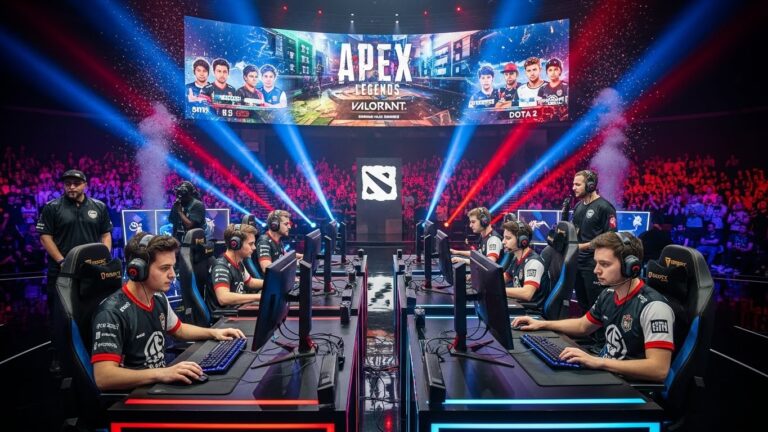
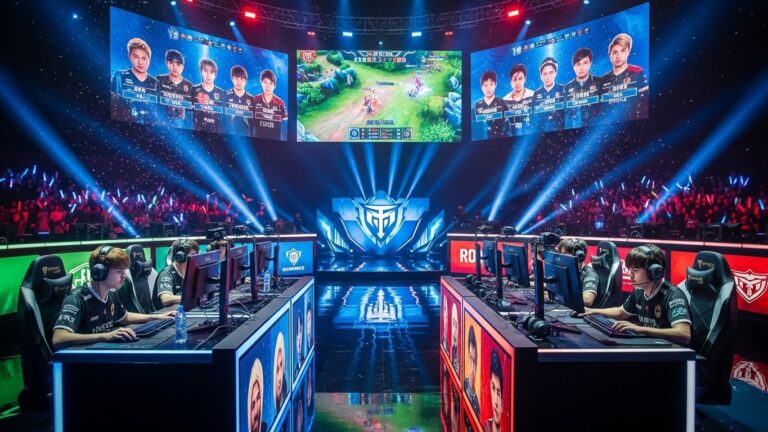
Esports, or electronic sports, has rapidly evolved from a casual pastime into one of the most influential forms of modern entertainment. What once took place in living rooms and internet cafés now fills arenas, attracts millions of viewers, and generates careers that rival traditional sports. The esports ecosystem blends technology, strategy, skill, and global community into an industry that continues to expand at remarkable speed. With professional teams, global tournaments, and passionate fan bases, esports has redefined what competitive gaming can be and how deeply it can influence culture.
The Early Evolution of Competitive Gaming
Competitive gaming did not emerge overnight. Its roots can be traced back to the earliest consoles and arcade machines. Small competitions and high-score contests laid the groundwork, but it wasn’t until the rise of computer networks in the 1990s that esports truly began to take shape. Games like StarCraft, Counter-Strike, and Quake transformed multiplayer gaming, allowing players from around the world to compete in real time. These early tournaments may not have had enormous prize pools, but they established the foundation of what would become a global competitive industry.
How Esports Became a Global Phenomenon
The explosive growth of esports can be attributed to several forces, including technological advancements, online streaming, and the rise of multiplayer game design. Game developers began building competitive features into their titles, creating rankings, leagues, and balanced gameplay systems that encouraged skill and strategy. The introduction of streaming platforms amplified this growth, giving fans a direct window into live matches and behind-the-scenes experiences with their favorite players. Esports quickly transcended being a small hobby and became a mainstream entertainment category with international reach.
Understanding the Skill Behind Esports
One of the biggest misconceptions about esports is that it requires less skill than traditional sports. In reality, professional players train for long hours each day, refining reflexes, strategic thinking, communication, and teamwork. Many games require split-second decision-making and the ability to process large amounts of information rapidly. Professional players often practice eight to ten hours daily to maintain peak performance. They analyze opponents, study gameplay footage, and use training tools to increase precision and consistency. The dedication and discipline required to succeed in esports rival that of any traditional athlete.
Physical and Mental Conditioning in Esports
Although esports is rooted in digital gameplay, physical and mental conditioning play a major role in a player’s success. Reaction time, hand-eye coordination, and posture are critical elements of performance. Professional organizations now employ coaches, nutritionists, and sports psychologists to help players maintain a healthy lifestyle and strong mindset. Managing stress, performing under pressure, and maintaining concentration through long matches are essential skills. Mental resilience is one of the most powerful tools an esports athlete can possess, and teams invest heavily in developing it.
The Economic Power of the Esports Industry
Esports has developed into a multi-billion-dollar global industry. Revenue comes from sponsorship deals, tournament prize pools, merchandise, advertising, streaming, and media rights. Major companies across technology, apparel, food, and entertainment sectors partner with esports organizations to reach younger audiences. Professional teams operate similarly to traditional sports franchises, managing player contracts, training facilities, marketing departments, and fan engagement strategies. Cities also benefit from hosting esports tournaments, as these events bring in tourism and generate economic activity, further proving the industry’s growing impact.
Career Opportunities Beyond Playing
While becoming a professional esports player is a dream for many, the industry provides numerous career paths beyond competing. Coaches, analysts, game designers, broadcasters, event organizers, marketers, and community managers all play essential roles in the esports ecosystem. Content creation has become a major career avenue, enabling players and personalities to interact with massive audiences and build thriving online communities. Universities and colleges now offer degrees and scholarships related to esports, preparing students for roles in management, communication, media, and technology.
The Technology Driving Esports Forward
Technology is at the heart of esports advancement. High-performance gaming computers, fast internet connections, and powerful graphics engines enable seamless competitive play. Streaming technologies have revolutionized audience engagement, allowing fans to watch live competitions from anywhere in the world. Game developers integrate analytics, replay systems, and spectator modes to create rich viewing experiences. Emerging technologies, such as virtual reality and artificial intelligence, promise to push competitive gaming into new territories, making esports even more immersive and sophisticated.
Esports as a Cultural Movement
Esports is more than a form of entertainment; it has become a cultural movement. Millions of fans across the globe follow their favorite players and teams, forming communities that transcend geographical boundaries. Esports communities gather in online forums, social media groups, and live events, expressing the same dedication seen in traditional sports fandom. This cultural shift has redefined how people connect and engage with entertainment. Esports serves as a space where friendships form, creativity flourishes, and digital culture thrives.
The Importance of Women in Esports
Women have played a crucial role in shaping the esports landscape, even while facing barriers within the industry. Female players, commentators, analysts, and content creators continue to challenge stereotypes and inspire new generations of gamers. Many organizations are actively promoting gender equality by offering opportunities, training, and visibility to female competitors. Women’s representation in esports contributes to a more diverse, inclusive environment and strengthens the overall growth of the industry.
Youth Engagement and Esports Education
Esports has become an influential platform for youth engagement. Students develop teamwork, communication, critical thinking, and leadership skills through competitive gaming. As a result, schools and universities are integrating esports clubs, varsity teams, and academic programs into their education systems. These programs emphasize balance, teaching students how to merge competitive gaming with academic responsibilities. Esports education encourages digital literacy and prepares young individuals for careers in technology, media, and game development.
Challenges Facing the Esports Industry
Despite its success, esports faces several challenges that require ongoing attention. Issues such as burnout, unfair pay, online toxicity, and the need for consistent regulation all affect the industry’s stability. Additionally, maintaining competitive integrity is essential, as cheating and match manipulation undermine the credibility of tournaments. Player well-being is another concern, as intense schedules can lead to physical strain and mental exhaustion. Addressing these challenges will ensure that the industry continues to grow responsibly and sustainably.
The Global Influence of Esports on Society
Esports has had a profound impact on society. It encourages technological innovation, drives digital engagement, and creates cultural connections across countries. Fans from different backgrounds unite to celebrate competition, creativity, and passion for gaming. Esports promotes digital inclusion, offering opportunities to individuals regardless of physical limitations, geography, or traditional athletic ability. As the world becomes increasingly connected through technology, esports stands at the intersection of entertainment, community, and innovation.
The Future of Esports
The future of esports is filled with limitless potential. New genres, technologies, and business models will continue to reshape the industry. Virtual reality competitions, artificial intelligence-enhanced training, advanced broadcasting experiences, and global amateur leagues are expected to emerge. Esports may blend even more with traditional sports, creating hybrid events and new forms of competition. With expanding audiences, growing investments, and continuous innovation, esports is positioned to become one of the most influential forms of entertainment for generations to come.
Conclusion: A New Era of Competition
Esports represents more than digital gameplay; it symbolizes a new era of competition where skill, strategy, creativity, and technology converge. It has inspired millions, created career opportunities, and built communities that celebrate talent and passion. As esports continues to evolve, it stands as a powerful example of how entertainment and technology can transform global culture. The digital battlefield is just beginning to take shape, and its influence will continue to expand for years to come.
About the Author