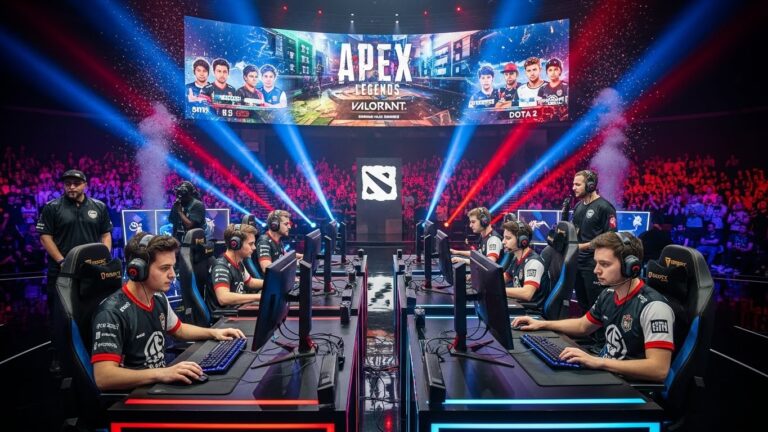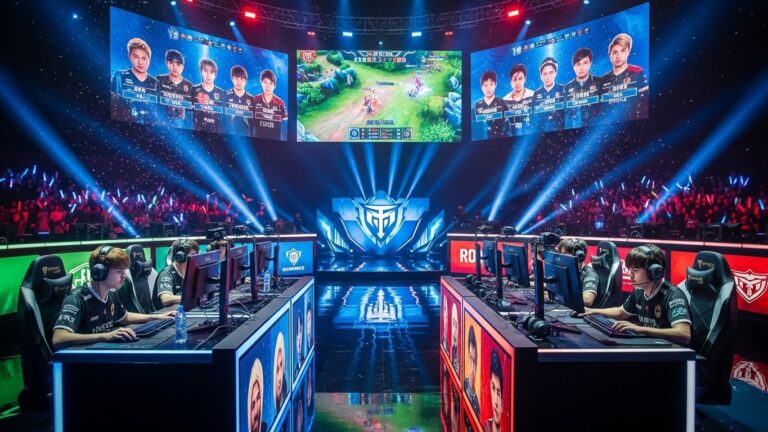
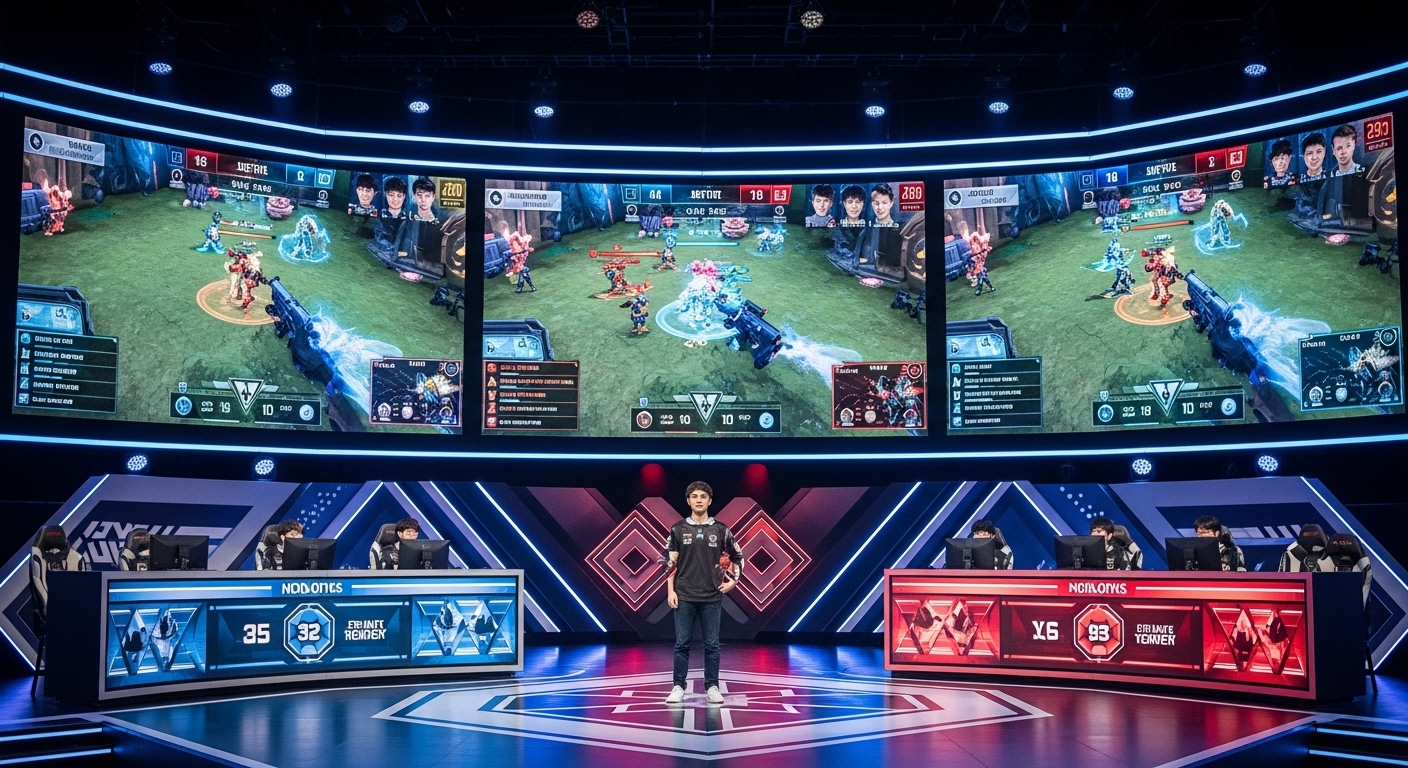
Esports, once a niche interest for a small group of dedicated gamers, has transformed into a global phenomenon with millions of viewers, professional teams, and multi-million dollar prize pools. Today, competitive gaming is not just a form of entertainment; it’s a burgeoning industry that rivals traditional sports in terms of audience engagement, sponsorships, and global influence. In this blog post, we’ll dive into the evolution of esports, its current state, and the trends shaping its future.
The Humble Beginnings of Esports
Esports may seem like a modern-day craze, but its roots trace back several decades. The earliest forms of competitive gaming began in the 1970s and 1980s with events like the “Space Invaders Championship,” one of the first known video game tournaments. In the 1990s, games like Street Fighter and Quake brought more competitive spirit to the gaming world, though these tournaments were often local and small-scale. The real boom for esports came with the rise of online multiplayer games, such as StarCraft and Warcraft, which allowed players to compete against others from around the world.
As the internet became more accessible and high-speed connections became the norm, competitive gaming transitioned from a hobbyist activity to something more professional. The early 2000s saw the rise of games like Counter-Strike and Halo, which laid the groundwork for modern esports tournaments.
The Rise of Online Platforms and Global Competitions
The real transformation of esports came in the late 2000s and early 2010s. Platforms like Twitch, YouTube, and Mixer allowed gamers to stream their gameplay, giving rise to a new wave of esports professionals and fans. For the first time, fans could watch live tournaments from anywhere in the world, bringing esports into the mainstream.
The success of games like League of Legends, Dota 2, and Overwatch further propelled esports into the limelight. These games became staples of the esports scene, with League of Legends alone boasting an annual championship with a prize pool that rivaled major sporting events. Dota 2’s International, in particular, became legendary for its massive prize pools funded by the community through in-game purchases.
These games not only solidified esports as a competitive industry but also established the global, online community that supports it. Competitions began to feature prize pools in the millions, attracting sponsorships from multinational brands like Coca-Cola, Intel, and Red Bull. As esports evolved, it began to resemble traditional sports leagues, with professional teams, coaches, and a growing fanbase.
The Business of Esports: Sponsorships, Advertising, and Revenue
As esports grew, so did its potential for profit. Sponsorships, advertisements, and broadcasting rights quickly became the backbone of the esports industry’s economic model. The multi-million dollar deals that sponsors inked with esports organizations and events further cemented esports as a legitimate business. Major tech companies like Nvidia and Microsoft, along with global brands such as Adidas and Louis Vuitton, are now involved in esports sponsorships, and many traditional sports teams have started forming their own esports divisions.
In addition to traditional sponsorships, the rise of streaming platforms like Twitch has allowed esports to monetize in new ways. Streamers, who are often professional players, earn revenue not only from sponsorships but also through subscriptions, donations, and advertising. The sheer scale of esports viewership has turned Twitch into a multi-billion-dollar platform, with esports events regularly dominating the platform’s live-streamed content.
Media rights have also become a significant revenue stream. Major leagues like the Overwatch League and Call of Duty League have sold broadcasting rights to networks like ESPN and YouTube, making esports more accessible to mainstream audiences. This integration of traditional media with esports has opened up new avenues for growth and visibility.
Esports as a Cultural Phenomenon
Beyond the business side, esports has become a cultural force in its own right. The global community of gamers, streamers, and fans has created a unique subculture that transcends borders. Major tournaments now attract not just players but millions of fans who watch remotely from their homes, often packing arenas in cities across the globe.
Esports also connects people across generational and geographical divides. Players and fans alike come together to cheer for their favorite teams or players, fostering a sense of community and shared experience. Esports, unlike traditional sports, has created a digital ecosystem where players can collaborate, compete, and communicate in real-time.
The recognition of esports as a cultural force is also evident in the rise of esports as a collegiate activity. Many universities now offer scholarships for esports athletes, and numerous schools have even set up dedicated esports arenas. This integration of esports into the academic world speaks to the legitimacy and staying power of the industry.
The Future of Esports: Innovation and Expansion
The future of esports looks incredibly promising, with constant innovation on the horizon. One of the key drivers of esports’ growth is the continued development of technology. Virtual reality (VR) and augmented reality (AR) are set to play an important role in the next phase of esports, offering new ways to interact with games and tournaments. These technologies could create more immersive experiences for players and spectators alike, enhancing the live event experience.
Mobile gaming is also an area of immense growth. As mobile gaming continues to evolve, esports tournaments featuring mobile games like PUBG Mobile and Free Fire are gaining popularity. This expansion of esports into mobile gaming opens up opportunities for new players and fans who may not have access to high-end gaming PCs or consoles.
Another area of potential growth for esports is its inclusion in global sporting events, such as the Olympics. Although esports has not yet been officially included, there have been ongoing discussions about adding esports as a medal event in future Olympic Games. If this happens, it would elevate esports to an even higher level of mainstream recognition.
Challenges and Opportunities
Despite its rapid growth, esports still faces several challenges. The industry’s reliance on online platforms makes it vulnerable to issues like cyberbullying, toxic behavior, and hacking. In addition, the mental and physical health of professional players has become a growing concern, with long hours of gameplay leading to burnout and injury. To continue its upward trajectory, the esports industry will need to address these challenges by implementing better support systems for players and fostering a more inclusive and positive community.
On the other hand, these challenges also present opportunities for innovation. The development of player wellness programs, improved anti-cheat technologies, and better community management could ensure the long-term sustainability of esports.
Conclusion
Esports has undeniably evolved from a niche activity to a global powerhouse. The industry’s rapid growth, supported by massive fanbases, sponsorship deals, and technological advancements, shows that competitive gaming is here to stay. With innovation on the horizon and cultural shifts further embedding esports into the fabric of society, the future of esports looks bright. What started as a small community-driven activity has become a multi-billion-dollar industry with the potential to shape the entertainment landscape for years to come. Whether you’re a casual gamer, an aspiring esports pro, or just an interested observer, there’s no denying that esports is a force to be reckoned with in the modern world.
About the Author