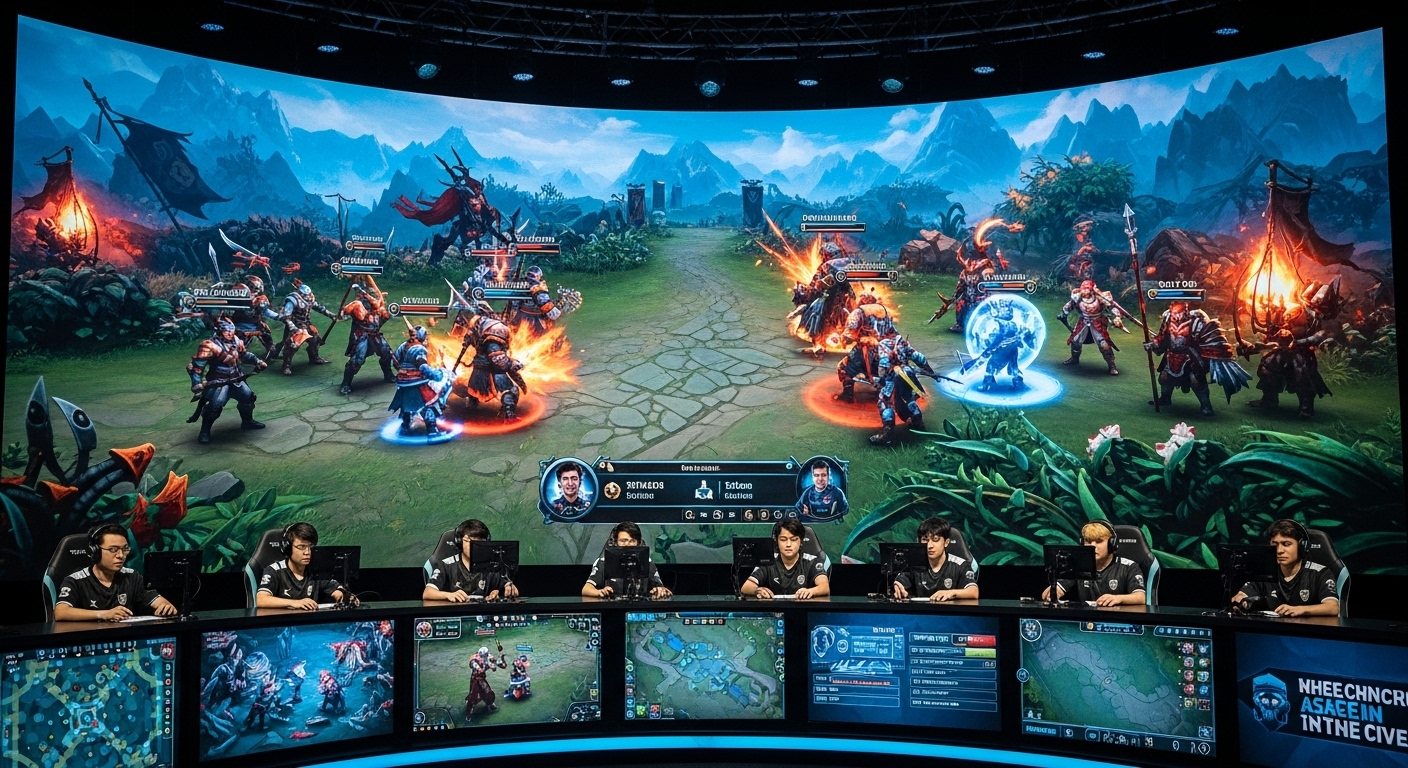
Introduction: The Rise of Esports
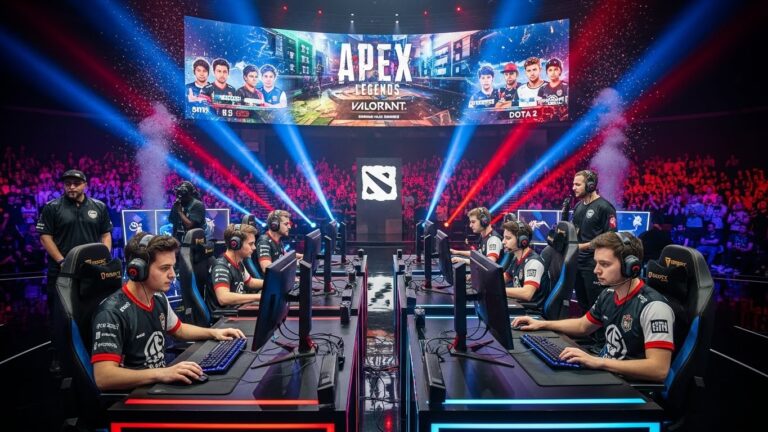
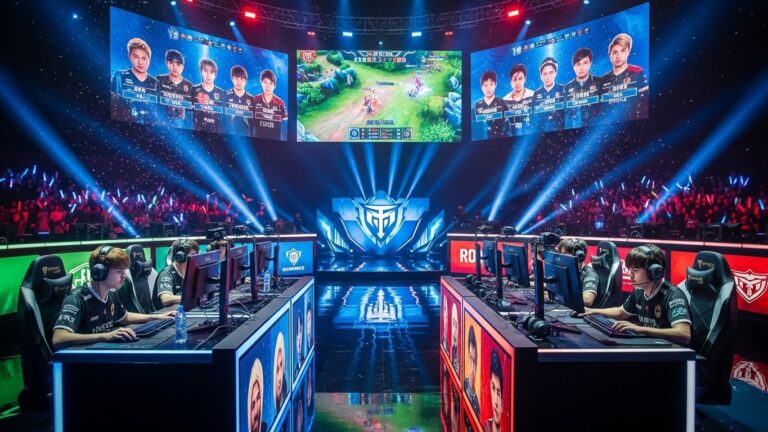
Esports, short for electronic sports, has transformed from a niche hobby into a booming global industry that rivals traditional sports in terms of revenue, viewership, and cultural significance. Once a subculture dominated by avid gamers and underground competitions, esports has now become a mainstream phenomenon with millions of viewers, top-tier professional players, massive tournaments, and significant commercial investments. The rise of esports signals a new era where digital entertainment plays a pivotal role in shaping the future of competition and spectator sports.
In this blog post, we will explore the journey of esports from its humble beginnings to its current status as a global powerhouse. We will delve into the types of games that dominate the scene, the business side of esports, the societal impact, and what the future holds for competitive gaming.
The Origins of Esports
While modern esports seems like a natural extension of gaming culture, its origins can be traced back to the early days of video gaming. In the late 1970s and early 1980s, competitive gaming started in the form of arcade high-score contests. Games like Pong and Space Invaders encouraged players to compete for the highest score, but the concept of organized tournaments would not come until later.
The First Tournaments and Online Gaming
The first major competitive gaming event was the Space Invaders Championship, held in 1980 by Atari. This event attracted thousands of players, marking the beginning of organized competitive gaming. However, it wasn’t until the rise of personal computers in the 1990s that online multiplayer games brought a new dimension to esports.
Games like Quake and StarCraft were among the first to allow players to compete against each other over the internet, laying the groundwork for the large-scale esports tournaments we see today. The 1997 Red Annihilation tournament, for example, is widely considered one of the first esports competitions, with participants playing Quake for a substantial cash prize.
The Growth of South Korea’s Esports Scene
While esports was beginning to grow worldwide, it was South Korea that first truly embraced competitive gaming. In the early 2000s, South Korea became the epicenter of esports, largely due to the popularity of StarCraft: Brood War. The country’s government, recognizing the potential of gaming as a major cultural force, supported the growth of esports by building a professional infrastructure, including dedicated gaming arenas and national television broadcasts of major tournaments.
The rise of esports in South Korea inspired other countries to adopt similar models, and global competitions such as the World Cyber Games and the Electronic Sports World Cup began to take shape.
The Different Genres of Esports
Today, esports covers a wide range of gaming genres, each with its own professional leagues, tournaments, and fanbases. Some of the most popular genres include MOBAs (Multiplayer Online Battle Arenas), FPS (First-Person Shooters), and Battle Royale games. Each of these genres requires different skills, strategies, and game mechanics, making them unique in their appeal to different types of players and spectators.
MOBAs (Multiplayer Online Battle Arenas)
MOBAs are among the most competitive and widely watched esports genres. Games like League of Legends (LoL) and Dota 2 dominate the competitive gaming landscape, with millions of fans worldwide tuning in to watch high-level play. In a typical MOBA, players control a single hero or character and work together in teams to achieve objectives and defeat the opposing team.
MOBA tournaments, especially the League of Legends World Championship and The International (for Dota 2), offer some of the largest prize pools in esports. These events attract millions of viewers, both online and in-person, and have become global spectacles, drawing in players, fans, and sponsors alike.
First-Person Shooters (FPS)
First-person shooters, or FPS games, are another dominant genre in esports. Titles like Counter-Strike: Global Offensive (CS: GO), Overwatch, and Call of Duty have become synonymous with competitive gaming. These games focus on fast-paced, team-based combat where players must work together to outsmart and outshoot their opponents.
FPS games offer thrilling, action-packed gameplay, with every round providing opportunities for strategy, reflexes, and teamwork. Major FPS tournaments like ESL Pro League for CS: GO and Overwatch League have garnered millions of fans and lucrative sponsorships, further cementing FPS games as major players in the esports ecosystem.
Battle Royale Games
In recent years, Battle Royale games have taken the esports world by storm. Games like Fortnite, PlayerUnknown’s Battlegrounds (PUBG), and Apex Legends have turned the genre into a cultural phenomenon. Battle Royale games drop players into large open worlds where they must fight to be the last player or team standing. With fast-paced, unpredictable gameplay and a growing focus on teamwork and strategy, Battle Royale games have become a popular choice for both casual and competitive players.
Although Fortnite began as a casual game, it quickly became a fixture in esports, hosting tournaments with multi-million-dollar prize pools and attracting players from all corners of the globe. These tournaments, such as the Fortnite World Cup, have helped solidify Battle Royale games as a significant part of the esports ecosystem.
Fighting Games
Fighting games like Street Fighter, Tekken, and Super Smash Bros. have been a staple in the competitive gaming scene for decades. These games focus on one-on-one combat, where players control characters with unique abilities and battle each other in a series of rounds. Fighting games emphasize quick reflexes, precise timing, and deep knowledge of character moves and counter-moves.
The Evolution Championship Series (EVO) is one of the most well-known fighting game tournaments, bringing together top players from around the world to compete in various games. EVO has become a major event in the esports calendar, with passionate fans flocking to the event every year to witness the best in the world compete.
The Business of Esports
Esports has grown into a multi-billion-dollar industry, with significant investment coming from sponsors, media rights, and merchandising. The business side of esports is a crucial component of its success and has helped elevate the industry to the level of traditional sports in terms of financial power and cultural relevance.
Sponsorships and Brand Partnerships
One of the most lucrative aspects of esports is sponsorship. Major global brands such as Coca-Cola, Intel, Nike, and Red Bull have invested heavily in the esports scene, sponsoring teams, players, and tournaments. These partnerships not only provide esports organizations with vital funding but also help brands tap into a young, tech-savvy audience that is highly engaged with digital entertainment.
Sponsorship deals also extend to live events and broadcasts. Esports tournaments and leagues attract millions of viewers, making them an ideal platform for brands to showcase their products and services. As esports continues to grow in popularity, sponsorship opportunities are likely to expand, with more high-profile companies looking to partner with the industry.
Streaming and Broadcasting
The rise of platforms like Twitch and YouTube Gaming has revolutionized how esports content is consumed. Streaming has become a key component of the esports ecosystem, providing players with a platform to showcase their skills and connect with fans. Twitch, in particular, has become synonymous with esports streaming, with top players and teams broadcasting their matches to millions of viewers.
Streaming also generates substantial revenue through ads, subscriptions, and donations. The rise of streaming has democratized access to esports, allowing fans to engage with the community and watch their favorite players in action, regardless of location.
Prize Pools and Salaries
Esports players are now able to earn significant salaries through sponsorships, tournament winnings, and team salaries. Major tournaments offer prize pools that can exceed $10 million, with the winners taking home a substantial portion. The prize pools in esports are often much larger than those in traditional sports, particularly in popular titles like Dota 2 and League of Legends.
Top-tier esports players also earn a salary from their teams, with some players making millions of dollars annually through competitive gaming. This has attracted talented individuals to esports as a legitimate career path, and the financial rewards have helped raise the profile of competitive gaming as a serious sport.
The Impact of Esports on Society
Esports has had a profound impact on society, influencing everything from education to social interaction. While some critics argue that esports contributes to sedentary lifestyles, the overall societal impact of competitive gaming has been overwhelmingly positive.
Education and Esports Scholarships
Esports has gained recognition in the education sector, with many universities and colleges offering scholarships for competitive gamers. Esports teams are now common in schools across the globe, with student-athletes competing in national and international tournaments.
By offering scholarships and creating esports programs, educational institutions are helping students pursue careers in gaming, game design, and esports management. This has opened up new pathways for students interested in pursuing careers in digital entertainment.
Community and Social Interaction
Esports has created a global community of gamers, fans, and spectators. Online multiplayer games have fostered social interaction, allowing players from different cultures and backgrounds to connect through their shared love of gaming. Esports events and streaming platforms have further strengthened these communities, creating opportunities for fans to engage with players, discuss strategies, and cheer on their favorite teams.
About the Author