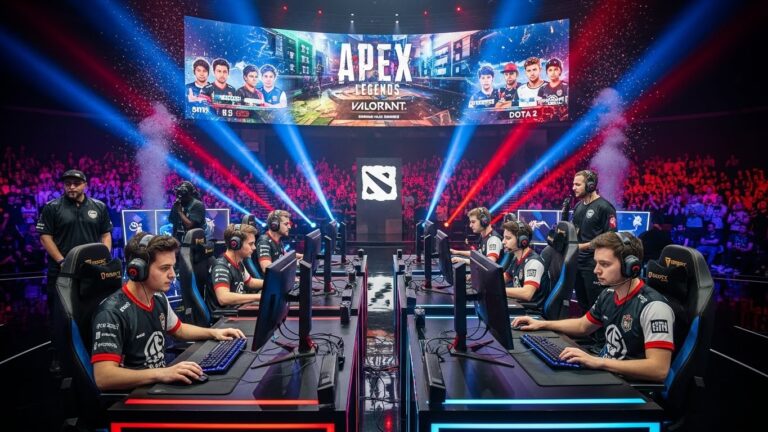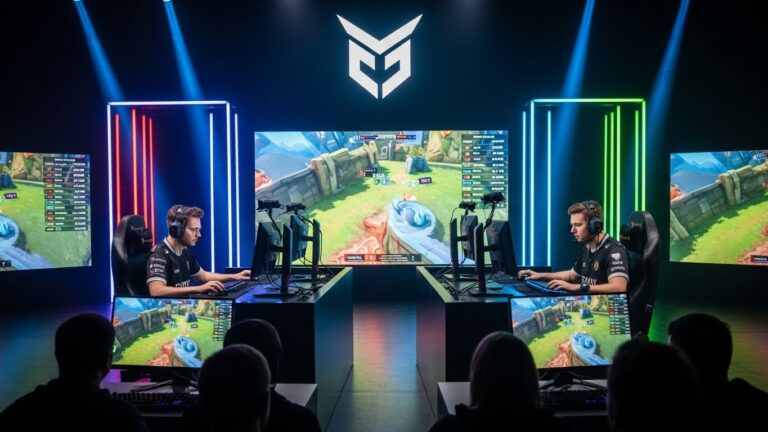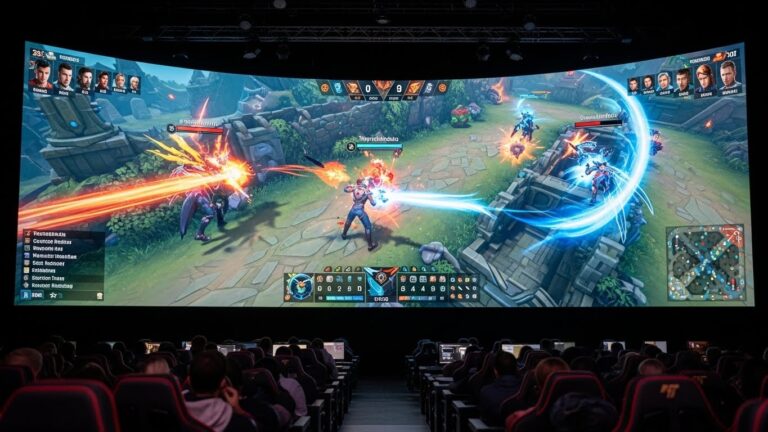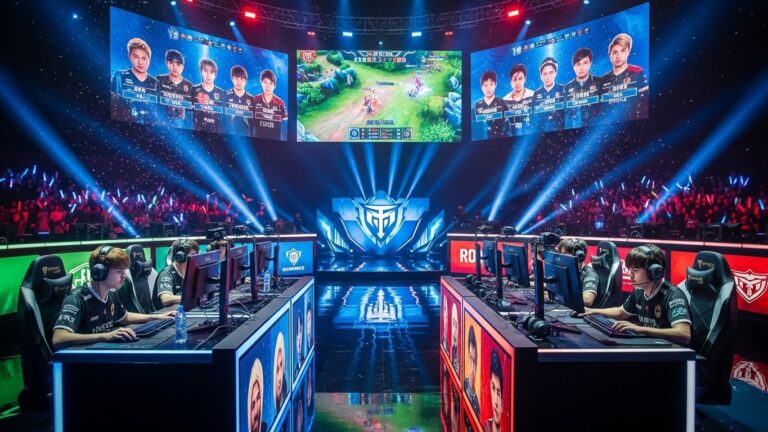
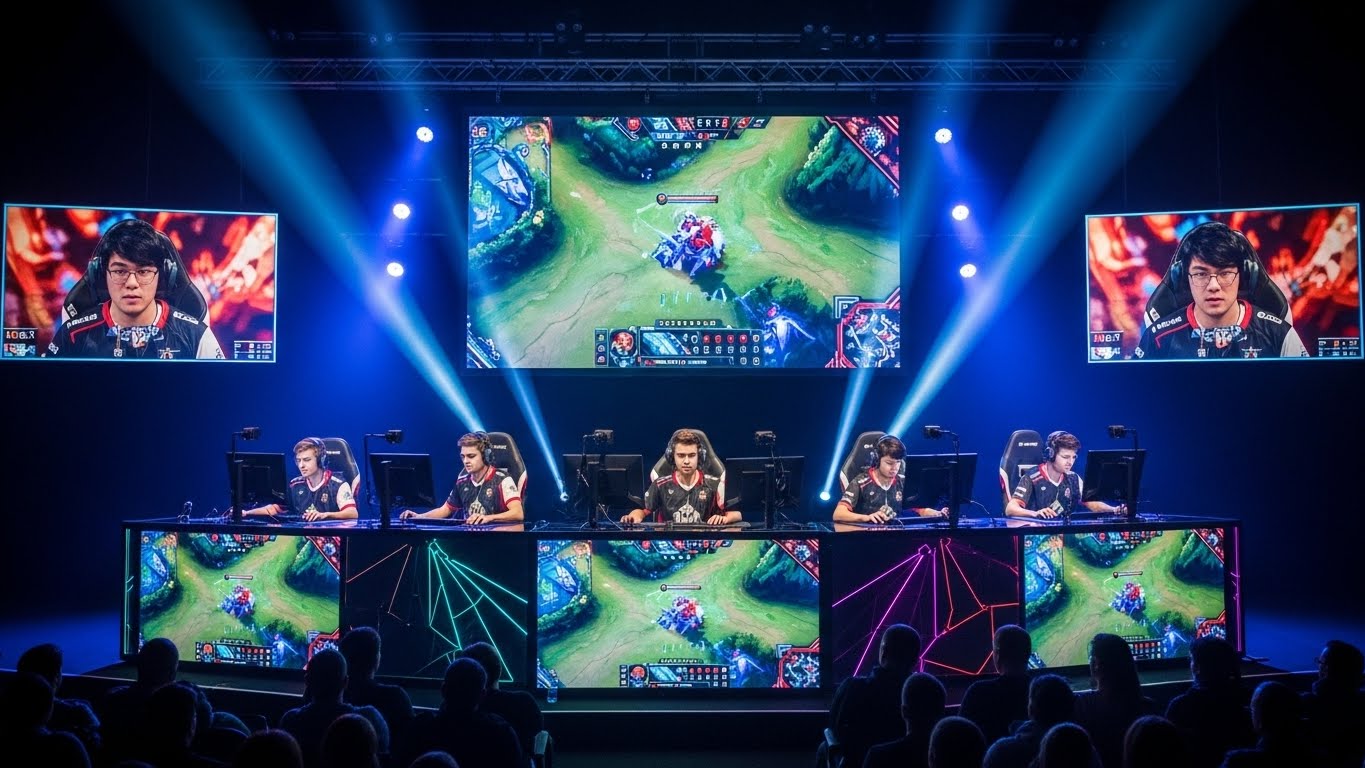
Esports, short for electronic sports, has emerged as one of the fastest-growing forms of entertainment in the world. What once began as casual video gaming has evolved into a global phenomenon, encompassing professional leagues, competitive tournaments, and passionate fan communities. Beyond the thrill of gameplay, esports is reshaping the way we think about competition, teamwork, technology, and culture. In this article, we will explore the rise of esports, its influence on players and society, economic significance, challenges, and the future of this rapidly evolving industry.
The Origins and Evolution of Esports
Esports traces its roots to the early days of video gaming in the 1970s and 1980s, when arcade competitions became popular in cities across the United States and Asia. Games like Space Invaders and Pac-Man were among the first to attract competitive players, although the infrastructure for organized tournaments was limited.
The 1990s brought the rise of online gaming and multiplayer games, such as StarCraft, Counter-Strike, and Warcraft. These games allowed players from different cities or even countries to compete against each other, creating the foundation for modern esports. By the early 2000s, professional gaming leagues began to emerge, particularly in South Korea, where esports became a mainstream career path for skilled players. Today, esports spans the globe with millions of fans, professional athletes, and tournaments that rival traditional sporting events in scale and excitement.
Popular Esports Genres and Games
Esports is not a single game but a collection of genres, each with its own unique audience, competitive strategies, and skills. The most popular genres include:
- Multiplayer Online Battle Arenas (MOBAs): Games like League of Legends and Dota 2 focus on team strategy, map control, and coordination. MOBAs are widely regarded for their depth, requiring both individual skill and strong teamwork.
- First-Person Shooters (FPS): Titles such as Counter-Strike: Global Offensive, Valorant, and Call of Duty emphasize reflexes, accuracy, and tactical thinking. Players must make split-second decisions that often determine the outcome of a match.
- Real-Time Strategy (RTS): Games like StarCraft demand strong planning, resource management, and quick strategic adjustments. RTS players often exhibit exceptional multitasking abilities.
- Sports Simulation Games: FIFA, NBA 2K, and Madden allow players to experience real-world sports in a virtual environment, blending the excitement of traditional sports with digital competition.
- Fighting Games: Games like Street Fighter and Tekken focus on individual skill, timing, and precision, often in one-on-one competitive matches.
Each genre attracts a unique player base and fan community, showcasing the diversity and creativity inherent in esports.
The Mental and Physical Demands of Esports
While esports is digital, it requires a combination of mental and physical skills that are often underestimated. Professional players develop sharp reflexes, strategic thinking, and quick decision-making abilities. High-level play demands concentration for extended periods, often in high-pressure situations, which strengthens focus and cognitive endurance.
Physically, esports players must maintain their health to prevent fatigue and repetitive strain injuries. Proper posture, hand and wrist exercises, and regular physical activity are essential for longevity in competitive gaming. Many professional players incorporate fitness routines, balanced diets, and mental training into their daily schedules to ensure peak performance during tournaments.
Esports as a Cultural Phenomenon
Esports has grown into a cultural movement that transcends traditional entertainment. Streaming platforms allow millions of viewers to watch live matches, learn strategies, and engage with players in real-time. This interactivity has created a sense of community among fans, who share experiences and celebrate victories together.
Professional esports players have become celebrities in their own right, inspiring fans through skill, personality, and dedication. Merchandise, branded content, and fan clubs contribute to a culture where gaming is celebrated as a form of art and competition. The cultural significance of esports highlights how digital entertainment can foster identity, creativity, and social cohesion.
Economic Impact of Esports
The esports industry is a major economic force, generating billions of dollars annually. Revenue streams include sponsorships, advertising, media rights, tournament prize pools, and merchandise sales. Corporations recognize the marketing potential of esports, investing in teams, events, and content creators to reach younger, digitally native audiences.
Esports has also created employment opportunities beyond playing, including roles in coaching, event management, content creation, analytics, and marketing. The economic impact extends to game development, hardware production, and global esports tourism, making esports a multifaceted contributor to the modern digital economy.
The Role of Streaming Platforms
Streaming platforms are central to esports’ success. Services that allow live broadcasts of tournaments and individual gameplay have transformed the way audiences experience competition. Fans can interact with players and fellow viewers through live chat, donation systems, and fan subscriptions, creating an engaging and participatory environment.
Streaming has also allowed casual players to turn their passion into a career, bridging the gap between hobbyist and professional. Content creators provide tutorials, entertainment, and commentary, further blurring the line between competitive play and digital performance. The popularity of streaming platforms has accelerated the global growth of esports and strengthened the bonds within gaming communities.
Esports in Education and Youth Development
Esports is increasingly recognized as an important tool in education and youth development. Schools and universities have launched esports programs, offering scholarships and academic courses related to game design, analytics, and esports management.
Participating in organized esports programs teaches valuable life skills, including teamwork, communication, leadership, and problem-solving. Structured training and mentorship help students develop discipline, resilience, and time management, preparing them for careers both inside and outside the gaming industry. By integrating esports into education, institutions provide constructive avenues for engagement with digital technologies.
Inclusivity and Diversity in Esports
Esports is inherently inclusive, allowing players of all backgrounds, abilities, and locations to compete on equal footing. Unlike many traditional sports, physical limitations are less restrictive, enabling a broader range of participants to achieve success.
Gender diversity is gaining attention in esports, with female players and coaches increasingly breaking barriers and challenging stereotypes. Efforts to promote inclusivity, fairness, and respectful community environments are essential for ensuring esports continues to be welcoming for everyone. By embracing diversity, esports reflects the values of equity and representation in modern society.
Challenges Facing the Esports Industry
Despite its rapid growth, esports faces several challenges. The intense training schedules and competitive pressure can lead to mental fatigue, burnout, and health issues for players. Online communities sometimes experience toxicity, harassment, and cheating, which can harm player and fan experiences.
Additionally, regulatory standards for contracts, player welfare, and tournament governance are still developing. Establishing clear guidelines and ethical practices is essential to ensure that esports remains professional, fair, and sustainable for all participants.
The Future of Esports
The future of esports is bright and filled with innovation. Emerging technologies like virtual reality, augmented reality, and artificial intelligence promise to create more immersive and interactive gaming experiences. Global viewership is expected to continue rising, and collaborations with traditional sports and entertainment industries are expanding the reach and legitimacy of esports.
As esports continues to grow, it will likely play an increasingly central role in culture, technology, and education. Digital competition is no longer a niche interest but a mainstream form of entertainment, career development, and social interaction. The evolution of esports reflects broader trends in technology, connectivity, and cultural transformation.
Conclusion: Esports as a Transformative Force
Esports is more than digital gaming—it is a transformative force shaping culture, economy, and society. It combines mental agility, strategic thinking, and physical discipline, while fostering community, inclusivity, and creativity. Esports challenges traditional notions of sport and competition, offering opportunities for personal growth, professional development, and global connection.
Whether as a player, fan, or industry professional, engaging with esports provides insights into a rapidly evolving digital world. The excitement, skill, and cultural significance of esports illustrate that competition and human ingenuity can thrive in both physical and virtual arenas. Esports stands as a testament to the power of technology, teamwork, and passion, proving that the digital arena is a legitimate stage for modern achievement.
About the Author