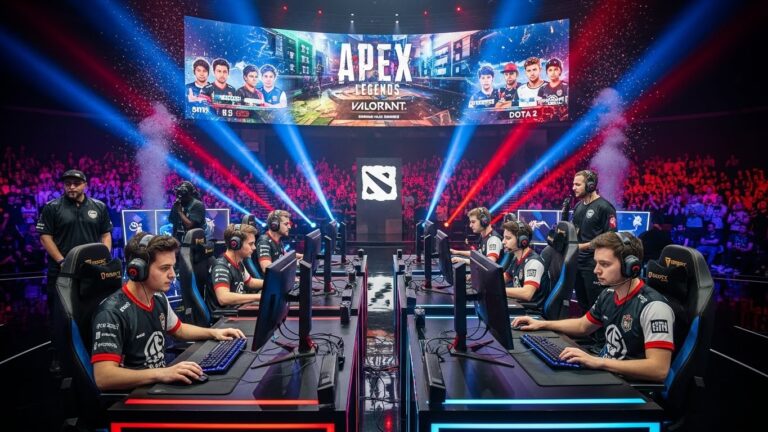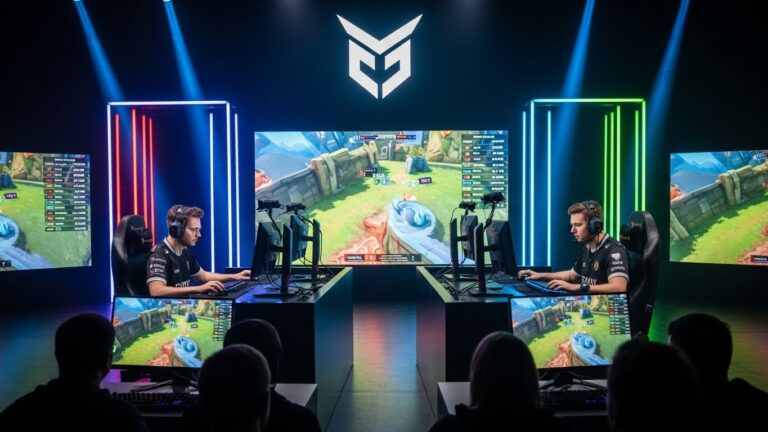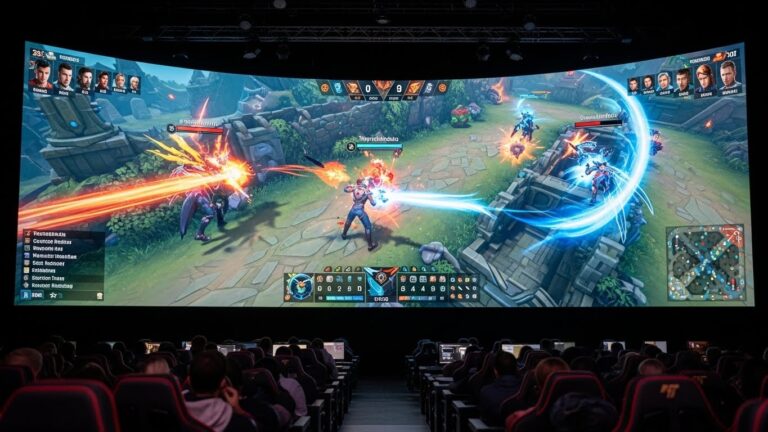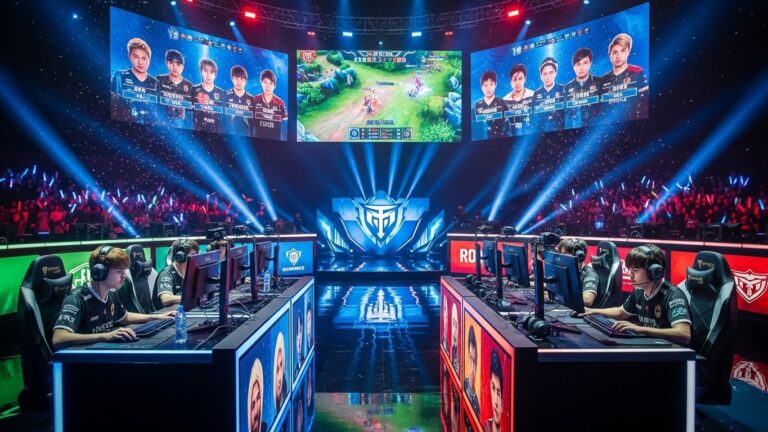
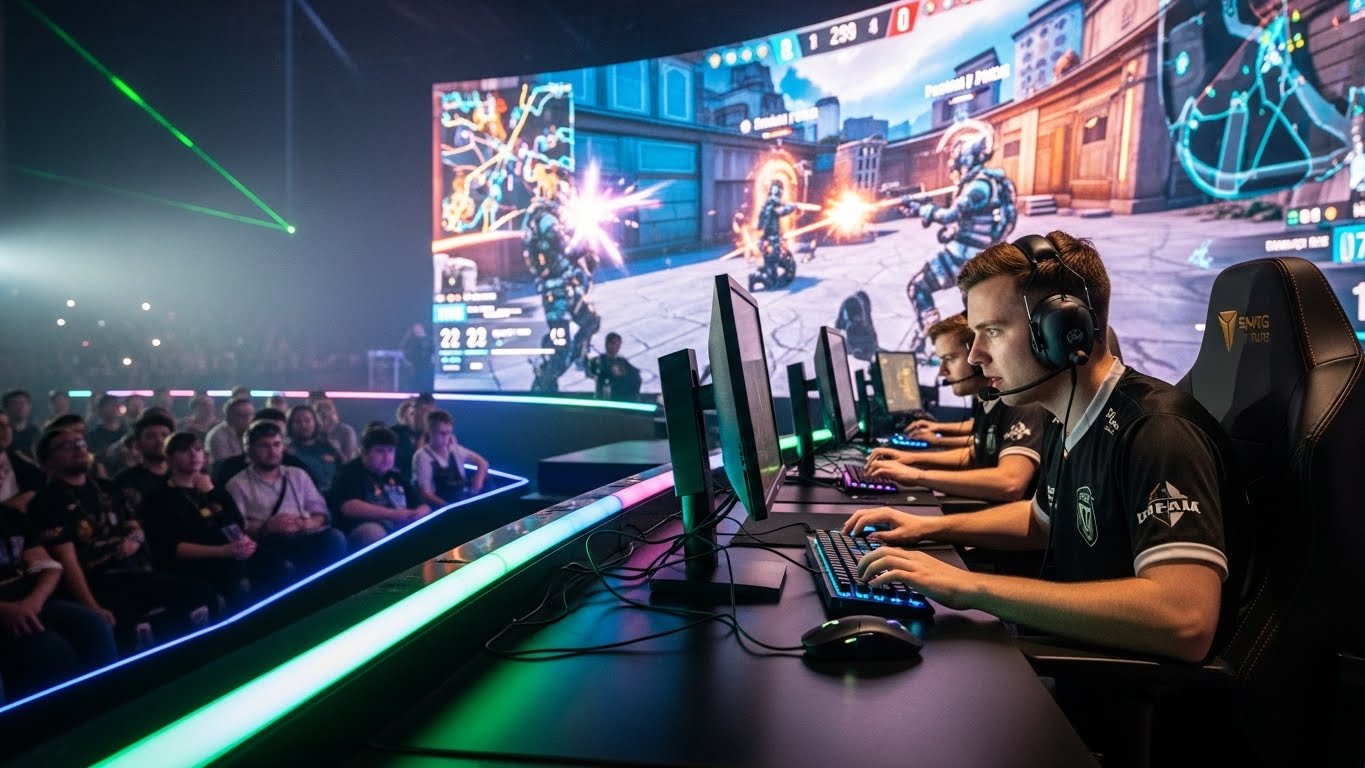
Esports has rapidly evolved from a niche hobby into a global phenomenon, captivating millions of fans, players, and investors around the world. It’s no longer just about playing games for fun; esports is now a competitive, professional industry that spans continents and reaches across every demographic. As it continues to grow, it’s reshaping not only the way people perceive gaming but also how they view sports, competition, and entertainment.
This blog post will delve into the world of esports, exploring its origins, growth, impact on culture and society, the economics behind it, and its potential future. With esports now regarded as a legitimate sport, let’s take a closer look at how it became what it is today and what’s in store for its future.
The Origins of Esports
The idea of competitive gaming dates back several decades, long before the term “esports” even existed. In the 1970s, early arcade games like Pong and Space Invaders introduced the concept of players competing for high scores. These games sparked the first wave of competitive gaming, where players sought to achieve the highest possible score in their local arcades.
However, the real turning point for esports came in the mid-1990s with the rise of multiplayer online games. The release of Quake in 1996 introduced online play and allowed players to compete against one another via the internet. This breakthrough created the foundation for the esports ecosystem we know today.
One of the earliest official esports tournaments took place in 1997 with the Red Annihilation tournament for Quake. The event garnered significant attention when the winner received a Ferrari as a prize, symbolizing that competitive gaming was becoming more than just a hobby. This was followed by the emergence of other games like StarCraft in the late 1990s, which further solidified the competitive gaming scene, particularly in South Korea.
The Rise of Professional Esports Leagues
While esports was beginning to find its footing, it wasn’t until the early 2000s that professional esports leagues started to take shape. South Korea played a pivotal role in this development, where StarCraft became a national obsession. The country saw the launch of the StarCraft Pro League in 2002, marking the beginning of organized, professional-level competitions.
The introduction of major tournaments and organized leagues added structure and legitimacy to esports, and over the years, they continued to expand. League of Legends, released in 2009, became one of the largest and most popular games in the esports ecosystem. Its world championships attracted millions of viewers, both online and through television broadcasts, making it one of the most successful and widely recognized esports titles in history.
Other games like Dota 2, Counter-Strike: Global Offensive, and Overwatch followed suit, contributing to the diversification of competitive gaming and drawing larger and more varied audiences. These games spanned different genres, including first-person shooters, real-time strategy games, and multiplayer online battle arenas, broadening the appeal of esports to a global audience.
The Role of Streaming Platforms in Esports’ Growth
The rise of platforms like Twitch in 2011 played a crucial role in bringing esports into the mainstream. Twitch, a live streaming platform primarily focused on gaming content, allowed players to stream their gameplay in real-time for anyone in the world to watch. This new avenue for broadcasting made it easier for fans to follow their favorite players and tournaments live, whether from the comfort of their homes or on-the-go via mobile devices.
Streaming not only enhanced the fan experience but also allowed professional players to gain popularity and build a following outside of tournaments. Top streamers like Ninja, Shroud, and Pokimane have become global superstars, amassing millions of followers and transcending the gaming world into mainstream pop culture. These content creators have also become valuable influencers, promoting brands and products and contributing to the overall growth of the gaming and esports industry.
With the accessibility and interactivity of live streaming, esports tournaments saw significant growth in viewership. Events like The International for Dota 2 and the League of Legends World Championship have attracted millions of live viewers, both on streaming platforms and via traditional broadcast networks. The integration of esports into television and digital media further solidified its legitimacy as a sport.
The Growth of Esports Culture
Esports has not only grown as a professional industry but has also fostered a unique culture that connects players, fans, and content creators. This culture has its own language, values, and community, which has become an essential part of what makes esports so appealing.
One of the defining aspects of esports culture is its inclusivity. Unlike traditional sports, where physical requirements often play a major role, esports provides a level playing field for individuals regardless of their age, gender, or physical abilities. This has led to a much more diverse player base, with talented individuals from all backgrounds making their mark in the competitive gaming world.
Esports has also created a sense of community among fans, many of whom follow specific teams, players, and game genres. The global nature of esports means that fans from different countries and cultures can connect over their shared love for gaming. Social media platforms, gaming forums, and fan clubs play a large role in building this community, with fans coming together to celebrate their favorite teams or players, discuss game strategies, and cheer for their respective esports icons.
The popularity of esports has even extended to live events. Major tournaments, such as the League of Legends World Championship, The International, and the Overwatch League, are held in large arenas and broadcast to millions of fans worldwide. These events feel like traditional sports matches, complete with live commentary, analysis, and enthusiastic fanbases. Esports tournaments have become massive spectacles, with thousands of fans gathering in person to watch the action unfold and millions more tuning in from home.
The Business of Esports
The esports industry is no longer just about the players and the games they play. It has grown into a multi-billion-dollar global business. With growing viewership, sponsorship deals, merchandise sales, and the increasing presence of brands in the esports ecosystem, the financial potential of esports is immense.
Sponsorship deals are one of the main drivers of revenue for esports organizations and events. Major global companies such as Intel, Red Bull, and Coca-Cola have partnered with esports leagues and teams to promote their products to the esports audience. These sponsorships are mutually beneficial, as brands gain access to an engaged and youthful demographic, while esports organizations receive the financial backing needed to support their players and tournaments.
Another major revenue stream in esports is media rights. As the popularity of esports grows, traditional media outlets like ESPN and newer platforms like YouTube have started broadcasting esports events. These broadcasts attract millions of viewers, driving ad revenues and creating opportunities for more exposure. Additionally, the proliferation of esports betting has contributed to the financial boom, with fans wagering on their favorite teams and players during major tournaments.
In terms of direct player income, professional esports players can earn significant salaries from their participation in tournaments, streaming, and sponsorship deals. Top players in games like League of Legends and Counter-Strike: Global Offensive can make millions of dollars per year. The overall financial structure of esports reflects its status as a legitimate, high-stakes sport.
The Future of Esports
Looking to the future, esports shows no signs of slowing down. In fact, its growth trajectory is expected to continue as the world becomes increasingly digital and interconnected. One of the most exciting developments for the future of esports is the integration of new technologies, such as virtual reality (VR) and augmented reality (AR). These technologies have the potential to create more immersive and interactive esports experiences, both for players and spectators.
The inclusion of esports in traditional sports networks and the potential for esports to become part of the Olympic Games are also on the horizon. Although esports has not yet been included in the Olympics, there is growing support for its inclusion, especially given the growing global interest and viewership. This could be a monumental step in legitimizing esports as a true sport on par with other competitive events like basketball, soccer, and athletics.
As esports becomes more integrated into the educational sector, many universities around the world are starting to offer scholarships for talented esports players. This trend is likely to continue, with institutions recognizing esports as a viable career path for students. The growth of collegiate esports leagues will also help identify and develop the next generation of professional esports athletes.
Additionally, esports continues to diversify, with new games emerging that cater to a wide range of interests and preferences. Mobile gaming has also become a significant part of the esports ecosystem, with titles like PUBG Mobile and Free Fire attracting millions of players globally.
Conclusion
Esports has come a long way from its humble beginnings in arcades and LAN parties. Today, it’s a massive industry that competes with traditional sports for attention, viewership, and financial investment. What started as a niche hobby has grown into a global entertainment juggernaut, with professional leagues, star players, and millions of fans worldwide.
With the rapid advancements in technology, increased investment from brands, and the growing presence of esports in mainstream culture, the future of esports looks bright. Whether you’re a casual fan or a dedicated player, it’s clear that esports is here to stay, and its evolution is only just beginning. As the world embraces esports, it’s fascinating to think about how this rapidly growing industry will continue to shape the future of entertainment, competition, and even society itself.
About the Author