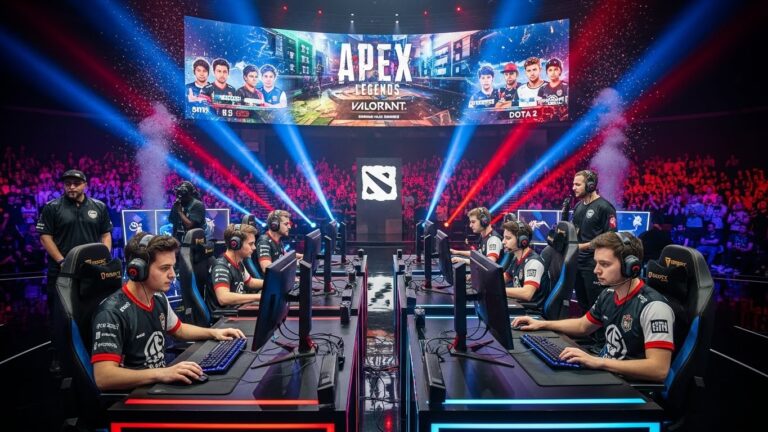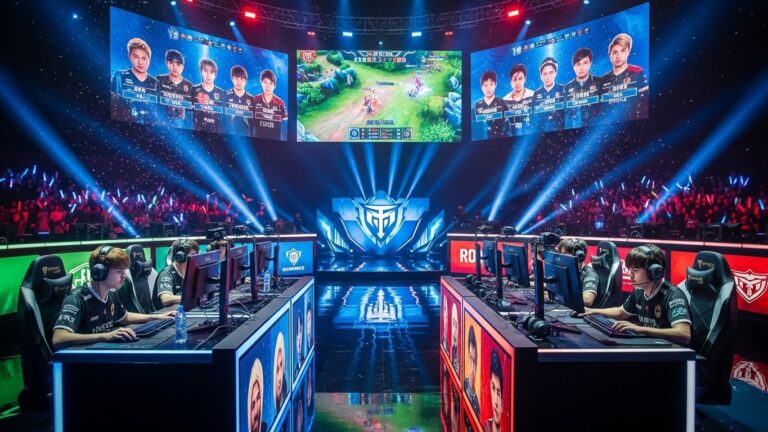
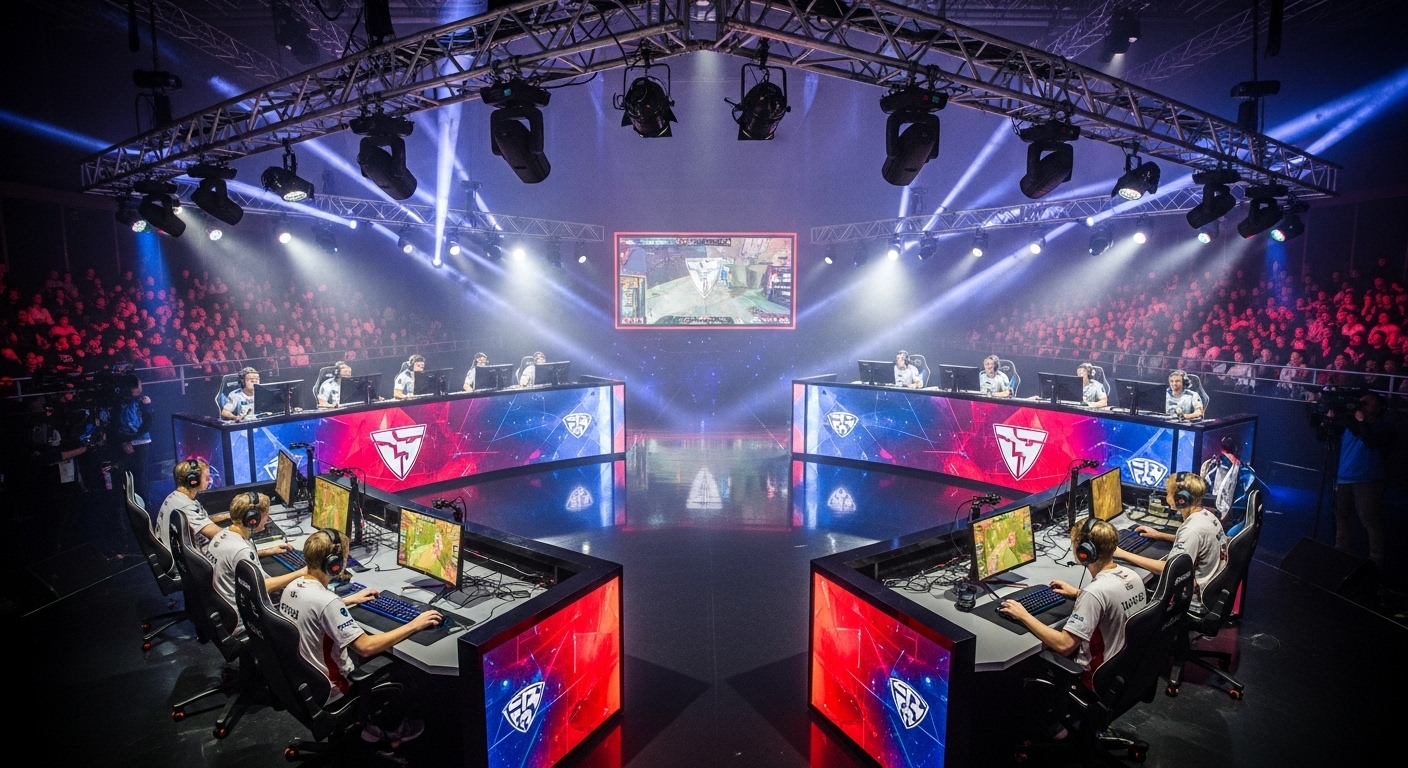
In recent years, esports has transformed from a niche hobby into a global phenomenon. With millions of fans tuning in to watch competitive matches and professional gamers becoming household names, esports has established itself as a legitimate career path. However, becoming a professional esports player is not simply about playing video games. It requires a rigorous training regimen, mental discipline, physical fitness, and strategic preparation. This article delves into what it truly takes to be a pro in esports, focusing on the training regimens that define the best players in the world.
Understanding Esports as a Competitive Discipline
Esports, or electronic sports, refers to competitive video gaming where players or teams compete in popular games such as League of Legends, Dota 2, Counter-Strike: Global Offensive, Valorant, Fortnite, and many others. These competitions are often highly organized with leagues, tournaments, and significant prize money at stake.
Similar to traditional sports, esports demands a combination of skills including reflexes, strategic thinking, teamwork, communication, and adaptability. The difference lies in the medium: instead of physical fields or courts, players compete in virtual arenas using consoles or PCs. Despite this, the training required to reach professional levels is just as intense and demanding.
The Importance of a Structured Training Regimen
The key to success in esports is consistency and deliberate practice. Pro players do not simply “play for fun” or rely on natural talent alone. They develop a daily routine designed to improve every aspect of their gameplay. Without structure, players may plateau and fail to reach their full potential.
A well-rounded training regimen for esports includes several components: mechanical skills practice, game knowledge enhancement, strategic planning, team coordination, mental conditioning, and physical wellness. Each element is critical and must be balanced carefully.
Mechanical Skill Development
At the core of esports performance are the mechanical skills — the ability to execute precise, fast, and efficient actions in the game. This includes aiming accuracy in shooters, quick decision-making in MOBAs (Multiplayer Online Battle Arenas), movement control, and ability usage.
Pro players dedicate hours to drills aimed at honing these skills. For example, shooters’ players might spend time in aim trainers that help improve mouse control and reaction times. MOBAs players practice last-hitting minions, map awareness, and spell combos repeatedly to build muscle memory.
Mechanical skill training is not just about raw speed; it also involves consistency and precision under pressure. Therefore, players often simulate tournament conditions during practice to replicate stress and focus levels they will face in actual matches.
Enhancing Game Knowledge
Mastery of a game’s mechanics is insufficient without deep game knowledge. Understanding meta-strategies, character strengths and weaknesses, map control, and game updates is essential for high-level play.
Professional players continuously analyze patch notes, watch gameplay from top players, and study opponent tendencies. This research helps them anticipate moves and develop counter-strategies.
Training sessions often include reviewing recorded games, both their own and competitors’, to identify mistakes and learn new tactics. Coaches and analysts play a significant role here, providing feedback and helping players adjust their strategies to evolving game metas.
Strategic Planning and Team Coordination
Esports is not solely about individual skill; team-based games require synchronization, communication, and strategy. A professional team trains together extensively to develop synergy.
Team training involves scrims—practice matches against other teams—where players experiment with strategies and communication styles. These scrims are critical for refining team roles, shot-calling, and objective control.
Strategy sessions are also common, where teams discuss playstyles, draft picks, and in-game decision-making. Effective communication and trust among teammates often make the difference between winning and losing.
Mental Conditioning and Psychological Resilience
One of the most overlooked aspects of esports training is mental health and psychological resilience. High-level competition generates immense pressure, stress, and fatigue. Professional players must develop coping mechanisms to maintain focus and composure.
Many teams employ sports psychologists who teach techniques such as mindfulness, visualization, and stress management. Regular mental conditioning helps players stay motivated, reduce burnout, and bounce back from losses.
Building mental toughness is a gradual process. It requires practicing under pressure, maintaining a positive mindset, and developing routines that promote mental clarity during intense matches.
Physical Fitness and Health Management
Although esports is primarily a sedentary activity, physical health plays a critical role in a player’s performance and career longevity. Long hours in front of a screen can cause eye strain, repetitive stress injuries, and general fatigue.
Top esports organizations emphasize physical fitness as part of their training regimens. Players often follow exercise routines to improve posture, reduce tension, and enhance overall stamina.
Good nutrition and adequate sleep are also vital. A healthy diet supports cognitive function and energy levels, while consistent sleep schedules improve reaction times and concentration.
The Typical Daily Training Schedule of a Pro Player
A typical day for a professional esports player balances intense practice sessions with rest and recovery. While schedules vary depending on the game and team, most pro players train between six to ten hours per day, divided into different segments:
- Warm-up (30–60 minutes): Includes mechanical drills, aiming exercises, and physical stretching to prepare both mind and body.
- Individual Practice (2–3 hours): Focused work on personal skills, such as practicing combos, improving farming or aiming, and reviewing gameplay footage.
- Team Practice (3–4 hours): Scrims and strategy meetings with teammates, refining communication and teamwork.
- Mental Conditioning (30 minutes–1 hour): Meditation, visualization, or working with a sports psychologist.
- Physical Exercise (1 hour): Cardio, strength training, or mobility exercises to maintain physical health.
- Rest and Nutrition: Players take breaks to eat well and rest to avoid burnout.
Balancing these components consistently is essential to maintaining peak performance.
The Role of Coaches and Analysts in Training
Just like traditional sports, professional esports teams rely heavily on coaching staff and analysts. Coaches oversee practice schedules, develop strategies, and motivate players. Analysts gather data on opponents, identify trends, and assist with game preparation.
Coaches often create customized training programs to address individual players’ weaknesses and reinforce their strengths. They also foster team cohesion and mediate conflicts.
The collaboration between players, coaches, and analysts creates a professional environment that nurtures growth and competitive success.
The Impact of Technology on Esports Training
Technology plays a pivotal role in modern esports training. Specialized software and hardware help players optimize their performance. For instance, aim trainers, reaction time tests, and tracking software provide measurable feedback.
Additionally, video analysis tools allow players to break down replays frame-by-frame to study positioning, timing, and decision-making.
Some teams use virtual reality for immersive training or biofeedback devices to monitor stress levels and physical responses during gameplay.
These technologies contribute to a data-driven approach, enabling players to make informed adjustments and track their progress accurately.
Challenges in Esports Training
While esports training can be rewarding, it also comes with challenges. One major obstacle is burnout. The intense, repetitive nature of training and the pressure to perform can lead to physical and mental exhaustion.
Another issue is the lack of standardized training programs. Each game and team has different requirements, making it difficult for aspiring players to know where to start.
Moreover, esports careers are often short, and injury risks like carpal tunnel syndrome or vision problems can impact longevity. Players must prioritize health to avoid premature retirement.
Finally, balancing personal life with rigorous training schedules requires discipline and time management skills.
Advice for Aspiring Pro Players
For those aiming to become professional esports players, the journey demands dedication, discipline, and a willingness to learn continuously. Here are some tips to help:
- Set clear goals: Identify specific areas for improvement and track your progress.
- Develop a consistent routine: Structure your practice sessions to cover mechanical skills, strategy, and physical fitness.
- Seek feedback: Work with coaches, teammates, or experienced players to gain insights.
- Prioritize mental and physical health: Take breaks, exercise regularly, and maintain a healthy lifestyle.
- Stay adaptable: Be open to changing your playstyle and strategies as the game evolves.
- Engage with the community: Watch professional matches, participate in tournaments, and connect with other players.
Conclusion
Becoming a professional esports player is a demanding but achievable goal for those willing to commit to a comprehensive training regimen. Success in esports requires more than just fast fingers and quick reflexes; it involves mental toughness, strategic thinking, physical health, and teamwork.
As esports continues to grow, the level of competition will only increase, making structured training and professional support crucial. Whether you are an aspiring player or simply a fan curious about the sport, understanding the discipline behind esports provides a deeper appreciation for what it truly takes to be a pro.
About the Author