Introduction: The Rise of Esports
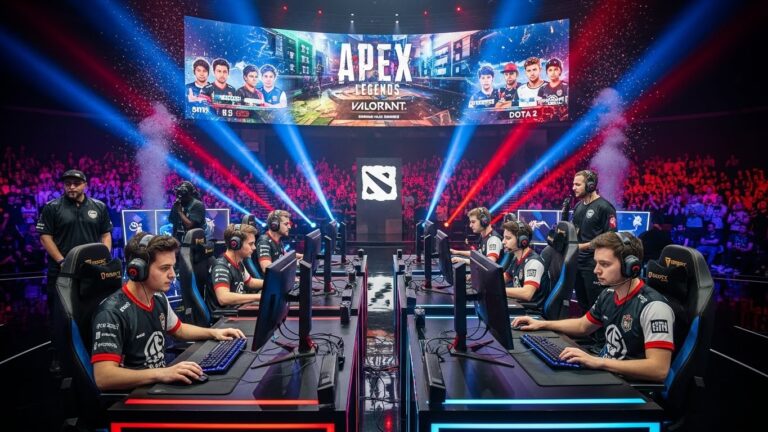
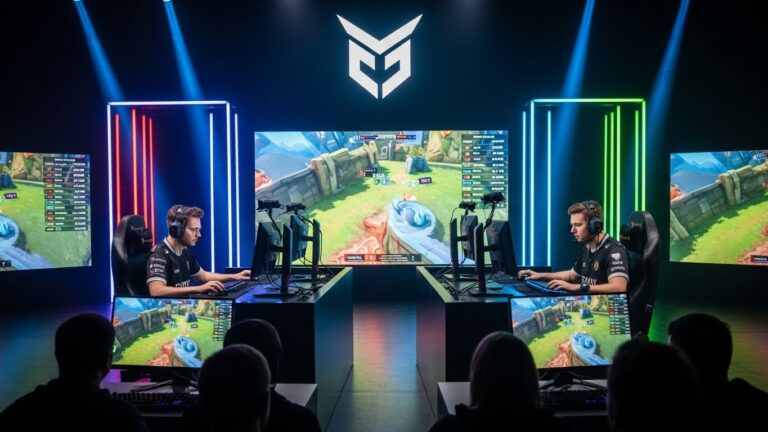
In the past decade, esports has transformed from a niche pastime into a global phenomenon. What started as casual gaming among friends has evolved into organized competitions watched by millions worldwide. Esports combines skill, strategy, teamwork, and technology in ways that rival traditional sports. Professional players dedicate hours each day to practice, while fans engage passionately through live streaming and online communities.
Esports is more than entertainment; it is a cultural movement. It redefines what it means to compete, blending digital environments with human skill and intelligence. Unlike traditional sports, esports transcends physical limitations, allowing players from all over the world to participate on equal terms. This accessibility, coupled with high-stakes tournaments, has made esports one of the fastest-growing industries in the world.
The History of Esports
The origins of esports can be traced back to the late 20th century, with early arcade competitions and multiplayer computer games. In the 1970s, players competed in titles like Space Invaders and Pac-Man, laying the foundation for organized competitive gaming. These early contests were local and informal but marked the beginning of the esports culture.
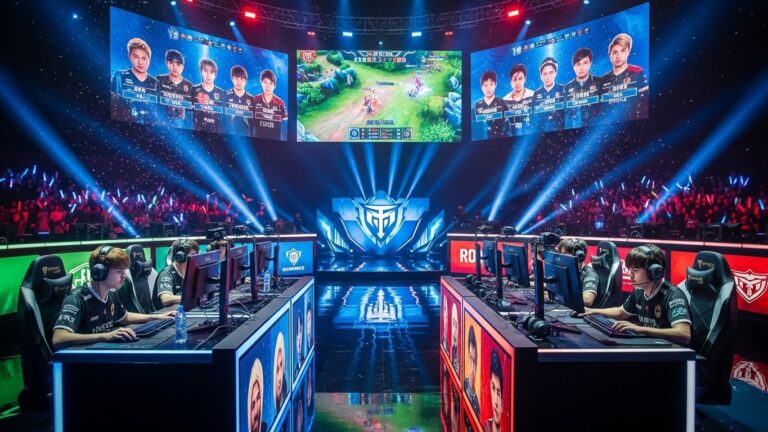
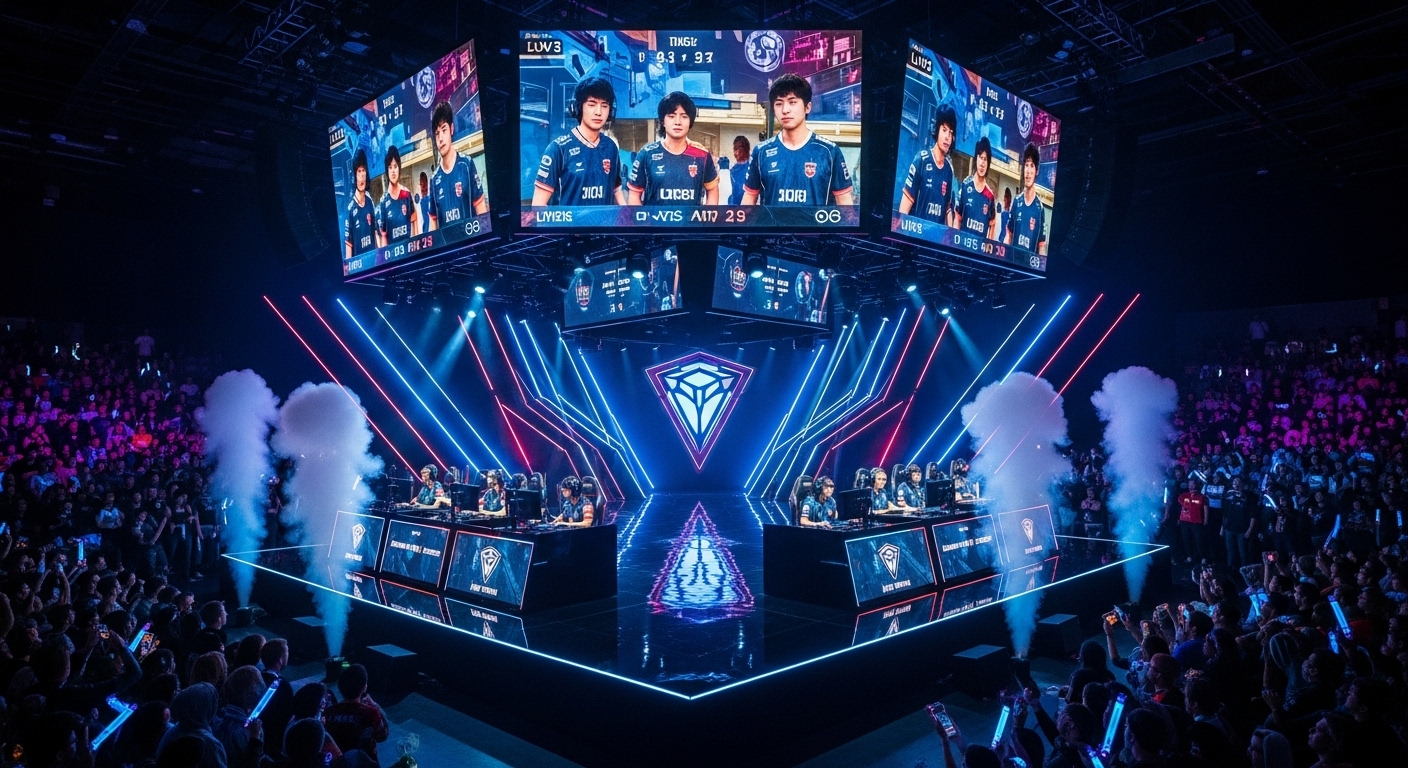
The 1990s introduced multiplayer games such as StarCraft and Counter-Strike, which required advanced strategy, teamwork, and rapid decision-making. Internet connectivity allowed players to compete online, expanding the competitive scene globally. By the 2000s, esports tournaments began offering professional prize pools, and franchises like League of Legends, Dota 2, and Overwatch emerged, attracting millions of players and viewers worldwide. Today, esports tournaments are held in massive arenas, streamed online to audiences that rival traditional sports events.
Popular Esports Genres
Esports is diverse, encompassing multiple game genres that appeal to different skills and strategies:
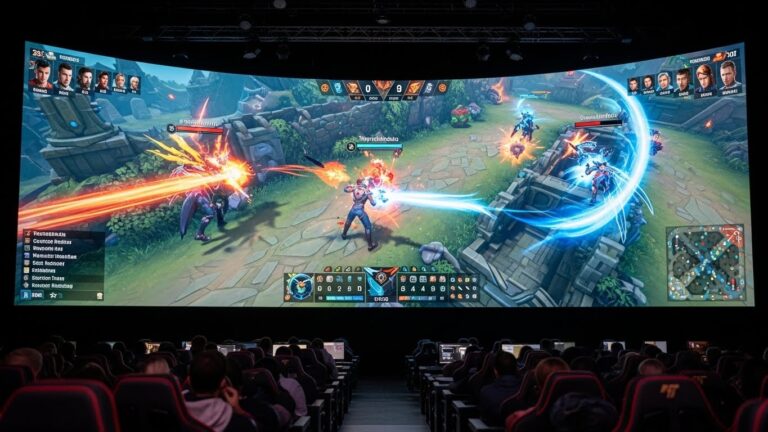
- Multiplayer Online Battle Arena (MOBA): Games like League of Legends and Dota 2 rely on teamwork, strategy, and coordination. Players control individual characters and must work collectively to defeat opponents.
- First-Person Shooters (FPS): Titles like Counter-Strike: Global Offensive, Valorant, and Call of Duty focus on reflexes, precision, and tactical thinking. Teamwork and communication are critical.
- Real-Time Strategy (RTS): Games such as StarCraft II emphasize planning, resource management, and multitasking. Players must anticipate opponents’ moves and adapt quickly.
- Battle Royale: Games like Fortnite and PUBG combine survival, exploration, and combat in large-scale maps. Strategy, timing, and adaptability determine success.
- Sports Simulation: Digital recreations of traditional sports, including FIFA and NBA 2K, allow players to engage in competitive simulations of familiar games.
Each genre has its own professional scene, fan base, and unique set of challenges, making esports a rich and varied landscape.
The Physical and Mental Demands of Esports
Professional esports may appear sedentary, but it requires both physical and mental endurance. Players often practice for six to twelve hours daily, working on precision, reaction time, and strategic execution. Hand-eye coordination, quick reflexes, and fine motor skills are essential for success.
Mental resilience is equally important. Esports players must maintain focus under pressure, adapt to unexpected situations, and handle losses gracefully. Emotional control, strategic thinking, and team coordination are critical components of professional performance. Many players also follow fitness routines and maintain a healthy lifestyle to optimize performance and avoid burnout.
Esports as a Global Industry
Esports has become a multi-billion-dollar industry. Revenue comes from tournament prize pools, sponsorships, media rights, merchandise, and streaming platforms. Top-tier events like The International for Dota 2 and the League of Legends World Championship feature prize pools of millions of dollars, demonstrating the financial scale of esports.
Streaming platforms have revolutionized viewership, allowing millions of fans to watch live competitions worldwide. Sponsorships from technology brands, energy drinks, and other companies provide financial support while legitimizing esports as a professional endeavor. The industry also supports related careers in coaching, management, content creation, and marketing, highlighting its economic and cultural impact.
Fan Culture and Community
Esports thrives on its passionate and interactive fan base. Fans are not just spectators—they participate actively through live chats, forums, social media, and content creation. This engagement creates a unique culture where community interaction is central to the experience.
Esports fandom mirrors traditional sports in passion, loyalty, and rivalries. Communities share strategies, celebrate victories, and discuss gameplay in detail. This active involvement fosters a sense of belonging and allows fans to influence the evolution of games and competitions.
Youth Engagement in Esports
Esports has captured the interest of young audiences, inspiring schools and universities to develop programs, scholarships, and competitive teams. These initiatives provide students with opportunities to cultivate skills like teamwork, strategic thinking, and time management.
Esports also encourages cognitive development. Players analyze complex game mechanics, adapt to evolving scenarios, and develop problem-solving skills. Participation in esports can enhance focus, resilience, and goal-setting abilities, providing valuable life skills alongside entertainment.
Career Opportunities in Esports
Esports offers a variety of career paths beyond playing professionally. Coaching, event management, broadcasting, content creation, marketing, game development, and analytics are all essential components of the industry. Analysts study performance data to improve strategies, while content creators engage audiences with commentary, tutorials, and entertainment.
Entrepreneurship is also a growing avenue within esports. Independent leagues, training academies, and gaming media channels contribute to the ecosystem, providing opportunities for individuals to turn their passion into a career.
Technology and Innovation in Esports
Technology is the backbone of esports. High-performance computers, gaming peripherals, and fast internet connections are essential for competitive play. Advanced software enables players to analyze gameplay, develop strategies, and optimize performance.
Streaming technology allows global audiences to watch tournaments in real time. Emerging innovations such as virtual reality and augmented reality promise to transform how players and fans experience esports. Data analytics, artificial intelligence, and anti-cheat systems ensure fair competition and strategic insight, making technology integral to the growth and integrity of the industry.
Mental Health and Well-Being in Esports
While esports provides opportunities and excitement, it also poses mental health challenges. Long hours of practice, high expectations, and public scrutiny can lead to stress, anxiety, and burnout. Recognizing this, professional organizations emphasize mental wellness through counseling, structured routines, and support programs.
Players are encouraged to maintain a balanced lifestyle, incorporating physical exercise, rest, and personal time. Developing mental resilience is crucial for sustaining performance and achieving long-term success in competitive gaming.
Social and Cultural Impact of Esports
Esports has a unique social and cultural influence. It promotes inclusivity, enabling participation regardless of physical ability, gender, or geographic location. Adaptive gaming and online accessibility make competitive play possible for a wider range of participants.
Esports also fosters global connections. Players and fans from different cultures interact, collaborate, and celebrate achievements together. Community-driven initiatives, charity tournaments, and educational programs demonstrate that esports can have a positive social impact, extending beyond entertainment to education and cultural exchange.
The Future of Esports
The future of esports is promising and dynamic. Emerging technologies, expanding audiences, and professionalization will continue to drive growth. Virtual reality, augmented reality, and interactive streaming experiences may redefine how fans engage with esports.
Educational programs will likely expand, integrating esports with academics, technical training, and career development. Continued emphasis on wellness, fair play, and structured competition will ensure sustainable growth. Esports is poised to become a mainstream pillar of entertainment, competition, and culture in the digital age.
Conclusion: Esports as a Digital Revolution
Esports is redefining competition, entertainment, and human achievement. It combines skill, strategy, and teamwork in a digital arena where physical and mental capabilities are tested. The industry’s growth highlights the convergence of technology, culture, and global participation.
Esports is more than a game—it is a cultural movement that engages millions, provides career opportunities, and fosters global connections. Its impact is already shaping how we perceive competition, teamwork, and achievement. The digital arena represents the future of sports, and esports is at the forefront of this revolution, proving that passion, skill, and dedication transcend the boundaries of the physical world.
About the Author