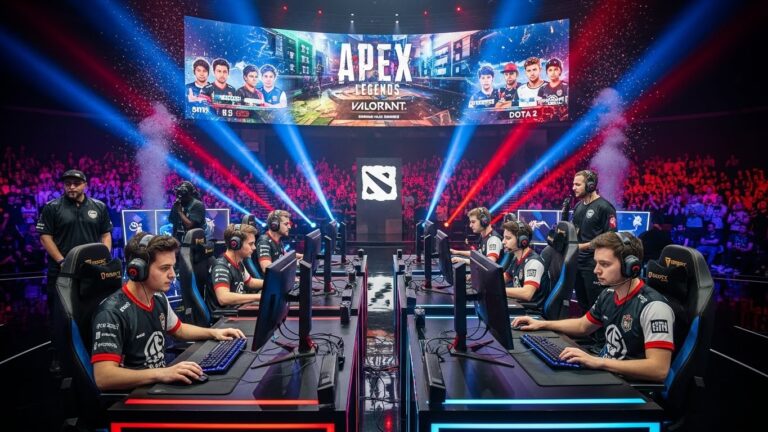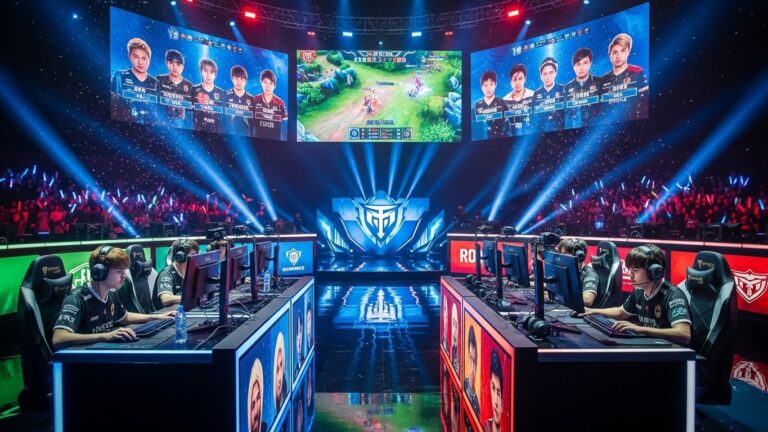

Esports, the rapidly growing global industry centered around competitive gaming, is as diverse as the games it celebrates. At the heart of every esports ecosystem are the tournaments — the platforms where players and teams showcase their skills, where fans tune in to cheer, and where sponsors stake their claims. The tournament format, however, often plays a pivotal role in shaping not only the outcome of these competitions but also the overall experience of players, fans, and the industry at large.
From single-elimination brackets to round-robin groups and massive multi-stage formats, the way a tournament is structured can drastically influence its excitement, its level of competition, and the accessibility for new audiences. In this post, we explore how different tournament formats impact the esports scene, contributing to the evolution of the industry and the way we experience competitive gaming.
The Basics of Esports Tournament Formats
At its core, a tournament format is simply the structure in which a competition is organized. Depending on the game, the goals of the organizers, and the preferences of the participants, tournament formats can range from simple knockout brackets to elaborate multi-stage qualifiers. But why do different games and tournaments adopt different formats? The answer lies in balancing excitement, fairness, and entertainment value.
Knockout or Elimination Bracket
One of the most traditional and widely used tournament formats is the knockout, or single-elimination, bracket. In this format, teams or players compete in matches, and the loser is immediately eliminated from the tournament. This continues until one player or team remains victorious.
This format creates high stakes, as each match is “do or die,” and the drama that comes with the unpredictability of early eliminations tends to draw in large audiences. In esports, games like Counter-Strike: Global Offensive or Street Fighter often utilize knockout brackets for their major tournaments. This structure is not only simple but also keeps the tournament pace fast, maintaining viewer engagement with every match.
However, the downside of this format is that a single bad performance can end a team’s or player’s run. While this may provide excitement, it can also leave fans disappointed when a favorite is knocked out early, regardless of their overall skill level.
Round-Robin and Group Stages
The round-robin format is commonly used in team-based games, like League of Legends or Dota 2. In this format, each participant (or team) plays against every other competitor. The matches are often grouped into “pools,” with the top performers from each group advancing to the knockout stages.
Round-robin tournaments have the advantage of providing a more comprehensive assessment of skill, as each team faces every other team, reducing the likelihood of an underdog unexpectedly eliminating a stronger opponent in an early round. This format often promotes fairness, as it reduces the potential for random upsets.
However, the downside is that the tournaments can sometimes become long and drawn-out, with less excitement between the group stage and the playoffs. Fans may lose interest if there’s a clear favorite that dominates the group stages and the knockout rounds feel like a mere formality.
Swiss System
The Swiss system is a middle ground between the full round-robin and single-elimination formats, often used in tournaments with large numbers of participants, such as Hearthstone or Magic: The Gathering. In the Swiss system, players or teams compete in a fixed number of rounds, but not everyone plays against everyone. Instead, they are paired based on their win-loss records after each round.
The key advantage of the Swiss system is that it allows a larger number of participants to compete while still maintaining a reasonable tournament duration. As opposed to single-elimination, participants who lose one or two matches still have a chance to continue, often leading to more exciting storylines. This format is particularly effective when the goal is to give every competitor a fair chance to prove themselves without getting immediately eliminated after a single loss.
However, the Swiss system also requires a lot of precise planning and tracking, as it can become complicated to manage the tournament in a way that ensures balanced matchups.
Multi-Stage Formats: More than Just a Tournament
Esports tournaments can also feature multi-stage formats, which combine several different elements of the game’s ecosystem. These tournaments usually include qualifiers, group stages, and finally, playoffs. Examples of multi-stage formats can be seen in major events like The International for Dota 2 or League of Legends World Championships.
Qualification Stages
For larger tournaments, especially those with global appeal, qualification rounds are common. These qualifiers serve as a filter to determine which teams or players will make it to the main event. These qualifiers can either be regional or online, creating opportunities for teams from various parts of the world to participate. This can also create global storylines, as lesser-known teams can sometimes make shocking runs through the qualifiers.
The inclusion of qualification stages adds a layer of unpredictability and excitement. Teams that are previously unknown can emerge as “dark horses” and challenge the long-standing favorites. The underdog stories, combined with the high skill ceiling, keep audiences engaged.
Playoffs and Grand Finals
Once the qualifiers and group stages are over, many esports tournaments transition into the final stage: the playoffs. This stage usually follows a knockout format and is where the competition reaches its climax. Playoffs are structured to highlight the best teams or players, ensuring the audience gets a thrilling finish.
Playoffs are crucial in esports as they encapsulate the emotional highs and lows of a tournament. When top players or teams face off in high-stakes matches, the intensity is palpable. This format often elevates fan excitement to a fever pitch, especially when the final showdown is between long-time rivals.
Impact on the Esports Ecosystem
Tournament formats do more than just dictate the structure of competitive events — they can have a lasting impact on the esports ecosystem itself. Here’s how:
Fan Engagement and Spectator Experience
The format of a tournament directly affects how fans experience the event. A well-structured tournament can build up excitement over the course of several days or weeks, creating a narrative that spectators can follow. Multiple stages or rounds allow for suspense to build, while knockout rounds give fans moments of high tension.
Tournaments that offer variety in format — such as combining round-robin stages with knockout finals — keep fans engaged throughout, allowing for upsets, comebacks, and intense matchups. On the other hand, formats that drag on too long or feel repetitive may alienate viewers, especially casual fans who aren’t as invested in the game.
Financial and Commercial Impact
The structure of a tournament can also affect its financial viability. Single-elimination formats, for example, create shorter events, meaning less time for sponsors to advertise or for fans to buy tickets and merchandise. On the other hand, multi-stage tournaments with a lot of games and extended schedules provide more opportunities for revenue generation, including advertising, merchandise sales, and sponsorships.
Additionally, tournaments with regional qualifiers often offer more exposure to a broader range of sponsors, potentially attracting local brands who want to reach fans in specific countries or regions.
The Competitive Integrity of the Game
Tournament formats also shape the competitive integrity of a game. Some formats, like round-robin or Swiss, ensure that the best players or teams rise to the top after multiple rounds of competition. Others, like single-elimination, can sometimes result in top teams being knocked out early due to a single bad game.
While some formats encourage fairer results, they can also be influenced by factors like seeding, the randomness of matchups, or even player fatigue during longer events. How a tournament is structured can impact the overall quality of the competition, potentially undermining a game’s credibility if top players are unfairly eliminated.
Conclusion: The Power of the Format
Esports tournament formats are far from arbitrary — they directly influence the competitive atmosphere, the level of fan engagement, and the financial success of an event. Whether it’s a high-intensity single-elimination format, a fair round-robin system, or a complex multi-stage event, the choice of structure can shape the entire experience for both players and viewers.
As esports continues to grow and evolve, tournament formats will undoubtedly remain a key factor in determining the success and sustainability of the industry. Organizers will need to strike the right balance between excitement, fairness, and accessibility to maintain the attention of both dedicated fans and newcomers. After all, the way a tournament is organized can make all the difference in turning a good event into an unforgettable one.
About the Author