
Esports, or electronic sports, has rapidly become one of the most exciting and profitable industries in the world. From small-scale tournaments in basements to grand arenas packed with cheering crowds, the rise of esports has reshaped the way we view competitive gaming. In this blog, we will dive deep into the history, development, impact, and future of esports, exploring how this phenomenon has captured the hearts and minds of millions around the globe.
The Origins of Esports
The story of esports begins in the early days of video games, long before the advent of professional leagues and massive sponsorships. As video gaming grew in popularity during the 1980s, players began to compete informally, often gathering in arcades or local tournaments. However, it wasn’t until the mid-1990s that esports, as we know it today, began to take shape.
The Birth of Competitive Gaming
In 1997, one of the first major esports events took place: the Red Annihilation Tournament for the game Quake. This tournament not only showcased the potential for competitive gaming but also introduced the world to the idea of a global gaming community. The winner, Dennis “Thresh” Fong, took home a Ferrari 328 GTS, which was an eye-catching prize at the time, further elevating the significance of esports competitions.
The late 1990s and early 2000s saw the emergence of other notable gaming titles that contributed to the growth of esports. Games like StarCraft, Warcraft III, and Counter-Strike became staples of competitive gaming, and dedicated players began forming teams and organizations to compete at a higher level. The concept of esports was taking root, but it was still a niche interest, limited mostly to hardcore gamers.
The Rise of Esports Tournaments
As the internet became more accessible and online gaming exploded in the 2000s, the landscape for esports evolved drastically. Major online gaming platforms, such as Battle.net and Steam, allowed gamers to play against one another in real time, breaking down geographical barriers and making global competition possible. With this new era came a series of tournaments that drew thousands of players and spectators alike.
The Impact of StarCraft and Warcraft III
Games like StarCraft and Warcraft III became pillars of competitive gaming during the early 2000s. These real-time strategy (RTS) games were not only highly challenging but also offered the kind of complexity that turned gameplay into a spectacle. StarCraft in particular became a sensation in South Korea, where national television networks began broadcasting live matches, a milestone that brought esports into the mainstream.
The success of these games also laid the foundation for the professional esports organizations that would later dominate the scene. Teams like SK Telecom T1 (now T1) and organizations such as Fnatic and Team Liquid started gaining recognition as they competed in major tournaments with substantial prize pools.
The Emergence of Streaming Platforms
While professional competitions were growing in scale, the development of streaming platforms like Twitch took esports to a new level. Launched in 2011, Twitch allowed gamers to broadcast their gameplay live to an audience. Streamers could interact with viewers in real time, and the ability to watch professional gaming on a daily basis fueled the global growth of esports.
Twitch became the go-to platform for esports content, and major tournaments, such as League of Legends World Championship and Dota 2’s International, began live-streaming to millions of viewers. With live streaming, esports tournaments expanded from niche online audiences to millions of mainstream viewers, establishing esports as a legitimate form of entertainment.
Esports as a Business
The growth of esports did not only impact the players and spectators but also transformed into a lucrative industry. Corporate sponsorship, media rights, and merchandise sales became major sources of revenue, turning esports into a multibillion-dollar business.
Sponsorships and Partnerships
One of the biggest catalysts for the commercialization of esports was the influx of corporate sponsors. Major brands such as Intel, Coca-Cola, Red Bull, and Nike began to invest heavily in esports events, teams, and tournaments. These partnerships helped provide the financial backing that was necessary for esports to scale into the global industry it is today.
The sponsorship deals weren’t just limited to big-name companies; companies from the tech industry, such as NVIDIA, Alienware, and Razer, found their place in esports, sponsoring tournaments and supplying the hardware necessary for high-level gameplay.
Media Rights and Broadcasting Deals
The rapid rise of esports also led to lucrative media rights and broadcasting deals. Streaming platforms like Twitch and YouTube paid for exclusive rights to broadcast certain tournaments, and some companies even secured deals with traditional sports broadcasters. ESPN, for example, began airing esports events, bringing them to the mainstream sports audience.
In addition to traditional broadcasting, esports also found a home in online content, with platforms like YouTube and Facebook taking a significant stake in broadcasting major esports events. This not only broadened the viewership base but also gave fans more access to the competitive gaming scene than ever before.
Merchandise and Fan Engagement
The esports fan base is incredibly passionate and devoted, which has led to the development of extensive fan engagement and merchandise sales. Teams have created their own clothing lines, jerseys, and accessories that their supporters can purchase to show their allegiance. Much like traditional sports, esports teams have built loyal fanbases who follow their favorite players and organizations closely.
In addition to merchandise, esports teams and players have leveraged their social media platforms to engage with fans, stream live content, and post updates. This direct relationship between athletes and fans has helped esports build a strong sense of community and loyalty.
Esports Tournaments and the Global Scene
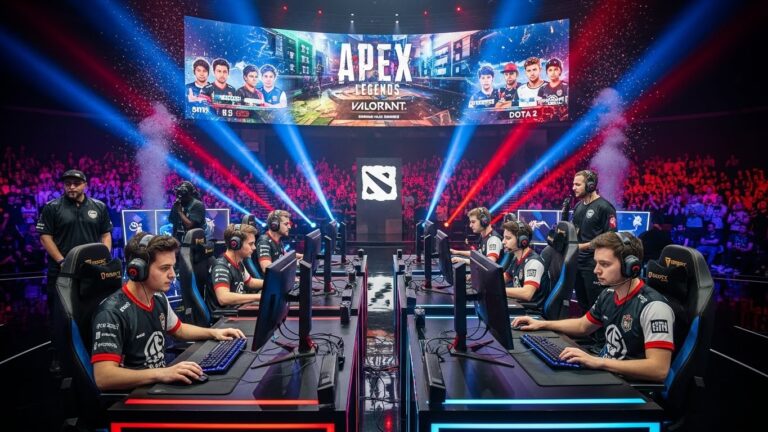
As esports has grown, so too has the scale and significance of the tournaments themselves. No longer confined to small regional events, esports tournaments now draw millions of spectators both online and in person, with massive prize pools and global recognition.
The International (Dota 2)
One of the most iconic examples of the scale and spectacle of modern esports is Dota 2’s International tournament. Since its inception in 2011, the International has consistently offered one of the largest prize pools in esports, often exceeding $30 million. The tournament brings together the best Dota 2 players from around the world and is a showcase for the best of competitive gaming.
What sets The International apart is its ability to create a compelling narrative around the tournament. With storylines involving underdog teams, veteran players, and emerging talents, the competition feels more like a sports league than a traditional gaming event. Fans follow their favorite players, support their teams, and become emotionally invested in the outcome, making it one of the most exciting events in esports.
League of Legends World Championship
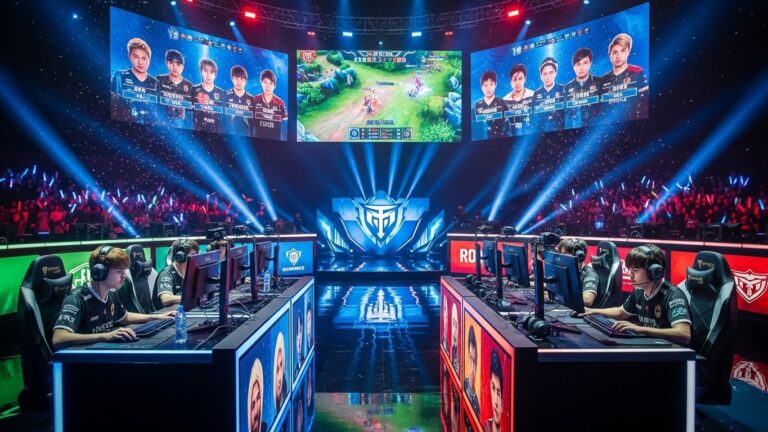
Another defining tournament in the world of esports is the League of Legends World Championship. Every year, the best League of Legends teams from various regions, including North America, Europe, Korea, and China, compete for the coveted Summoner’s Cup. The event is broadcast live in multiple languages and attracts millions of viewers from around the world.
The LoL World Championship has become one of the biggest esports events globally, with massive sponsorships, millions of dollars in prize money, and a dedicated fanbase. Teams like SK Telecom T1, Invictus Gaming, and FunPlus Phoenix have achieved legendary status, and their players are regarded as icons in the gaming community.
The Evolution of Esports Arenas
As esports grew in prominence, so did the venues in which tournaments are held. In the early days, competitions took place in modest locations like convention centers and local gaming cafes. However, as the industry grew, larger, more sophisticated esports arenas began to emerge.
For example, the League of Legends World Championship final has been held in prestigious venues such as the Los Angeles Staples Center and the Bird’s Nest Stadium in Beijing. These venues are often packed to capacity, with fans traveling from all over the world to witness the action in person.
The increasing investment in esports infrastructure signals a bright future for the industry, as it continues to break records for attendance, viewership, and revenue.
The Future of Esports
As esports continues to expand, it’s clear that the future of competitive gaming is bright. From the ongoing development of virtual reality and augmented reality technology to the potential integration of esports into the Olympic Games, the possibilities for the future of esports are limitless.
Virtual Reality and Augmented Reality
The rise of virtual reality (VR) and augmented reality (AR) has the potential to revolutionize the esports landscape. While VR technology is still in its infancy, it is possible that VR esports could become a dominant form of competition in the future. Imagine competing in a fully immersive environment, where players are not only controlling their characters on a screen but are physically interacting with the game world.
AR, on the other hand, could change the way esports events are broadcast. With AR, spectators could experience the action from a whole new perspective, potentially viewing the game from the player’s point of view or having real-time statistics and player stats overlayed on the screen.
Esports in the Olympics
There have been ongoing discussions about the inclusion of esports in the Olympic Games. While some may argue that gaming is not a traditional sport, others believe that esports deserves to be recognized alongside other competitive events. As gaming continues to grow in popularity and legitimacy, it seems increasingly likely that esports will eventually be part of the Olympic Games, potentially as early as the 2028 Summer Olympics in Los Angeles.
Expanding Global Reach
Esports is already a global phenomenon, but as internet infrastructure improves and gaming technology advances, even more regions will become involved. With increased accessibility, more countries will see esports as a legitimate career path, and young players will have even greater opportunities to make their mark
About the Author