
Introduction: The Birth of a New Era in Competition
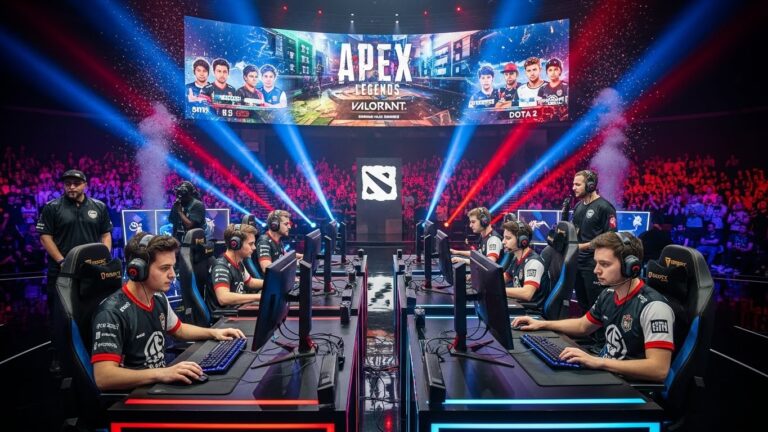
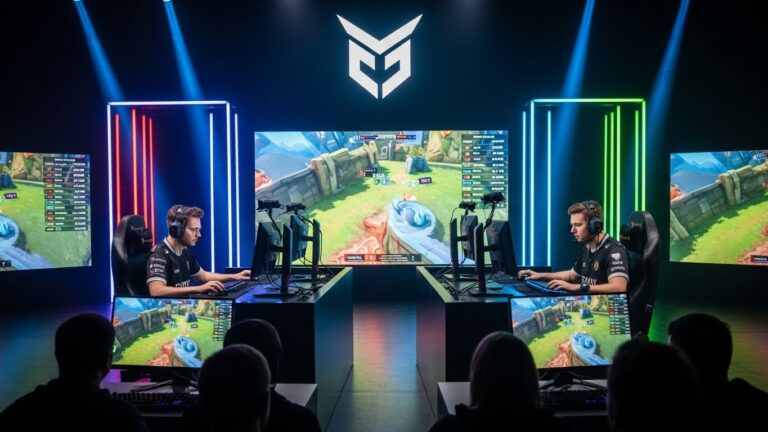
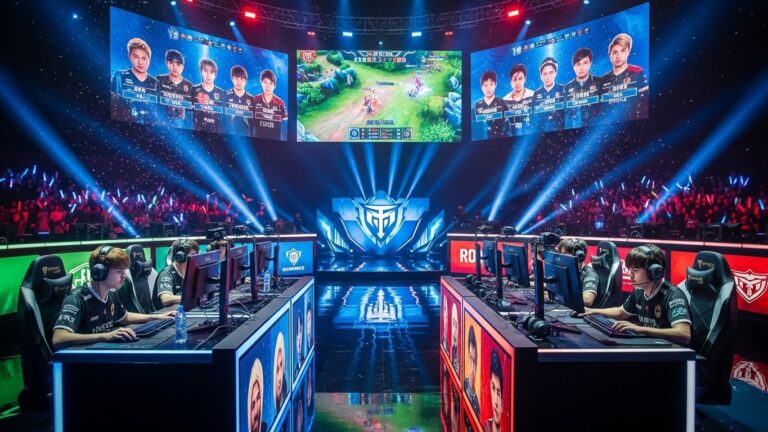
Esports, or electronic sports, have evolved from being a small subculture of dedicated gamers into a massive global industry that rivals traditional sports in viewership, sponsorship, and cultural impact. What was once a simple pastime of friends competing in arcades or LAN centers has now become a billion-dollar industry where professional players, massive tournaments, and millions of fans come together to celebrate competitive gaming. This transformation did not happen overnight; it was shaped by decades of technological innovation, community passion, and the growing acceptance of gaming as a legitimate form of entertainment and competition.
The Early Days of Competitive Gaming
The roots of esports can be traced back to the early 1970s when video games first appeared in public arcades and universities. One of the earliest recorded gaming competitions took place at Stanford University in 1972, where students competed in a game called Spacewar. The prize was a year’s subscription to Rolling Stone magazine, a far cry from the multimillion-dollar jackpots players compete for today. Throughout the 1980s, arcade culture thrived, and high score competitions on games like Pac-Man, Donkey Kong, and Space Invaders became the first examples of public gaming contests.
As home consoles and personal computers became more common, the idea of multiplayer competition began to expand. The 1990s introduced the world to networked gaming, where players could connect computers and battle in games like Doom and Quake. The advent of the internet in the mid-90s changed everything, allowing players from different cities and countries to compete against each other. This new connectivity laid the foundation for what would eventually become the esports industry.
The 2000s: The Internet Age and the Rise of Online Tournaments
The early 2000s marked the real birth of organized esports. With broadband internet spreading rapidly, online gaming exploded in popularity. Competitive titles like Counter-Strike, Warcraft III, StarCraft, and Halo became the centerpiece of tournaments and local events. South Korea emerged as a global hub for esports during this era, largely due to the widespread popularity of StarCraft. Professional players in South Korea achieved celebrity status, with matches broadcast on television and arenas filled with cheering fans.
Organizations like Major League Gaming (MLG) in the United States began hosting large-scale tournaments, providing structure and legitimacy to the competitive gaming scene. Sponsors began to take notice, and prize pools started to grow. The infrastructure for modern esports—teams, leagues, sponsors, and fans—was slowly being established.
The Golden Era of Esports: 2010s Expansion and Globalization
The 2010s were the decade when esports transformed from a passionate niche into a mainstream spectacle. Streaming platforms such as Twitch and YouTube Gaming gave fans unprecedented access to live matches, professional players, and gaming personalities. This era saw the rise of major competitive titles like League of Legends, Dota 2, Counter-Strike: Global Offensive, and Overwatch. Each of these games had dedicated professional circuits with millions of dollars in prizes and millions of viewers tuning in from around the world.
League of Legends, developed by Riot Games, became a major force in esports. Its World Championship, often called “Worlds,” drew tens of millions of viewers each year and was broadcast in multiple languages. Dota 2 followed a similar trajectory with The International, an annual tournament that shattered records with its community-funded prize pools that exceeded 30 million dollars in some years. These events demonstrated that esports had become a global entertainment powerhouse.
During this period, the infrastructure around esports solidified. Professional teams like Fnatic, Team Liquid, Cloud9, and T1 built global fanbases and became brands of their own. Many of these organizations expanded into multiple games, much like traditional sports clubs have multiple teams across different disciplines. Sponsorships from major corporations such as Coca-Cola, Intel, and Nike further legitimized the scene. Esports was no longer just about gaming—it was an industry driven by media, marketing, and technology.
The Evolution of Esports Genres
Esports covers a wide range of game genres, each with its own unique community and competitive structure. Real-time strategy (RTS) games like StarCraft laid the foundation for competitive gaming with their demanding skill requirements and tactical depth. First-person shooters (FPS) such as Counter-Strike, Call of Duty, and Overwatch became popular for their fast-paced action and team-based coordination.
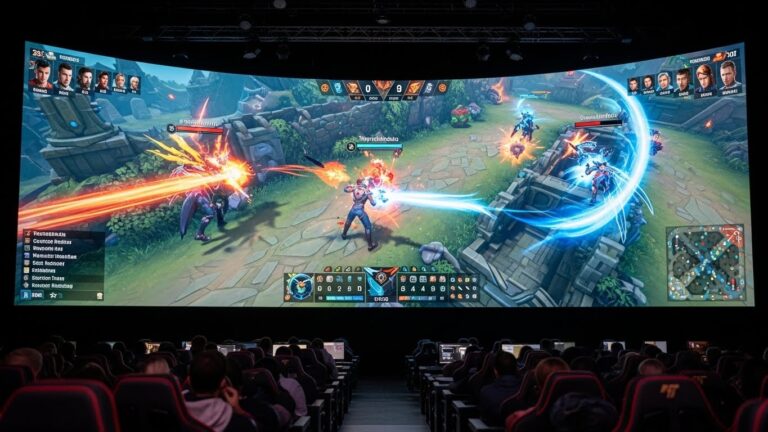
Meanwhile, the rise of Multiplayer Online Battle Arena (MOBA) games such as League of Legends and Dota 2 redefined the competitive gaming experience by combining strategy, teamwork, and quick reflexes. These games are known for their complex mechanics and long-term skill development, rewarding teams that work in perfect harmony.
More recently, the Battle Royale genre, popularized by games like Fortnite, Apex Legends, and PUBG, has added a new twist to the esports landscape. These games focus on survival and adaptability, attracting younger audiences and blending elements of entertainment with competition. The diversity of genres ensures that there is an esport for every type of player and spectator, making the industry more inclusive and dynamic.
The Role of Technology in Esports Growth
Technology has been the driving force behind every stage of esports evolution. High-speed internet, powerful gaming PCs, and advanced streaming technology have allowed esports to reach audiences worldwide. Game developers now design titles with competitive balance and spectator experiences in mind, ensuring that gameplay is both engaging and watchable.
Virtual reality (VR) and augmented reality (AR) are starting to open new possibilities for esports, offering immersive experiences that could redefine how games are played and viewed. Additionally, data analytics and artificial intelligence are being integrated into player training and team strategies, much like in traditional sports. Technology continues to blur the line between gaming, entertainment, and competition, pushing esports into new frontiers.
Esports and the Mainstream Media
The inclusion of esports in mainstream media has been one of the clearest signs of its cultural acceptance. Major television networks have aired esports tournaments, and traditional sports organizations have invested heavily in the space. For example, football clubs, basketball teams, and even Formula 1 organizations have created their own esports divisions. This crossover has introduced gaming to audiences who might not have been familiar with it before.
Universities around the world now offer esports scholarships, training programs, and degrees in game development, event management, and esports marketing. Educational institutions recognize that esports represents not just gaming but also career opportunities in broadcasting, production, and business. The media presence and institutional support have helped esports gain legitimacy as a professional pursuit.
The Business and Economy of Esports
Behind the excitement and competition lies a massive business ecosystem. Esports revenue streams include sponsorships, advertising, ticket sales, merchandise, media rights, and digital goods. The industry’s valuation has surpassed one billion dollars globally, with projections showing continued growth in the coming years.
Sponsorships form the backbone of esports income. Brands across technology, apparel, and even food industries invest heavily in teams, tournaments, and streaming personalities. Advertising during live streams and tournaments reaches a highly engaged audience that traditional media often struggles to capture. Merchandise sales, including jerseys, gaming peripherals, and collectible items, further boost revenue.
Media rights have become another crucial part of the esports economy. Just as television networks pay for broadcasting rights to major sports leagues, streaming platforms compete to secure exclusive rights to esports tournaments. This competition drives up the value of esports content and provides new opportunities for teams and organizers.
Esports as a Career Path
The perception of gaming as a viable career has changed dramatically. Professional players earn substantial salaries, prize money, and sponsorship deals. Top-tier players in games like League of Legends or Valorant can earn six-figure incomes, not including streaming revenue or brand endorsements.
However, esports careers extend beyond players. There are coaches, analysts, commentators, event organizers, video editors, marketers, and social media managers—all playing vital roles in the industry. Many of these jobs mirror those found in traditional sports organizations, showing how esports has matured into a structured ecosystem.
The Social Impact of Esports
Esports have also had a profound social impact. They connect people across cultures, languages, and backgrounds through a shared passion for gaming. Online communities form around games and players, fostering a sense of belonging and camaraderie. For many, esports provide a platform for self-expression and achievement.
Moreover, esports have challenged stereotypes about gamers. The image of a solitary player sitting in the dark has been replaced by that of a professional athlete dedicated to training, teamwork, and performance. Many esports organizations now emphasize physical fitness, mental health, and discipline, highlighting the holistic demands of the profession.
Challenges Facing the Esports Industry
Despite its tremendous success, esports faces several challenges. The industry’s rapid growth has outpaced its infrastructure, leading to issues such as player burnout, inconsistent regulations, and unstable tournament organizations. The intense training schedules and travel demands can take a toll on players’ physical and mental health.
Another challenge lies in the sustainability of certain esports titles. Games rise and fall in popularity quickly, and a lack of long-term stability can disrupt teams and leagues. Additionally, cheating, match-fixing, and online toxicity remain persistent concerns that must be addressed through better governance and ethical standards.
Monetization and player compensation are also ongoing issues. While top players earn large sums, many lower-tier professionals struggle to make a living wage. As the industry matures, developing fair systems of revenue sharing and player support will be essential for long-term success.
The Global Future of Esports
The future of esports looks brighter than ever. With continued investment from both private and public sectors, the industry is poised for sustained expansion. Esports are being considered for inclusion in multi-sport events, signaling their growing acceptance as a legitimate athletic discipline.
Emerging markets in Asia, the Middle East, Africa, and Latin America are contributing to the next wave of esports growth. As internet access improves and gaming becomes more affordable, new regions are producing talented players and passionate fan communities.
Technological advancements will further enhance the esports experience. Virtual arenas, real-time statistics, and immersive viewing options will transform how fans engage with their favorite games and players. As traditional and digital entertainment continue to merge, esports will stand at the intersection of competition, creativity, and innovation.
Conclusion: A New Age of Global Competition
Esports are more than just video games; they represent a global movement that unites people through competition, creativity, and community. What began as a niche hobby has evolved into a cultural and economic powerhouse that influences media, technology, and entertainment.
The future of esports is not only about who wins or loses on the virtual battlefield—it is about the stories, the innovation, and the shared human experience that gaming fosters. From its humble beginnings in arcade halls to grand arenas filled with cheering fans, esports have proven that passion and technology together can create a new kind of sport, one that defines the digital generation.
As the boundaries between physical and digital continue to blur, esports will remain a defining force of modern culture—a celebration of skill, strategy, and the unbreakable human desire to compete and connect.
About the Author