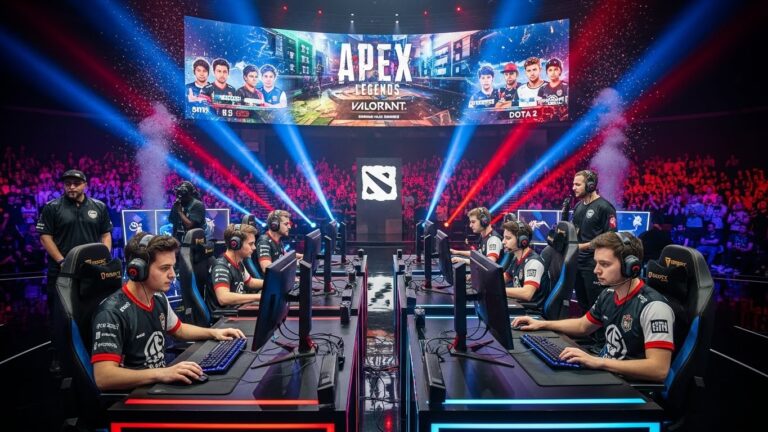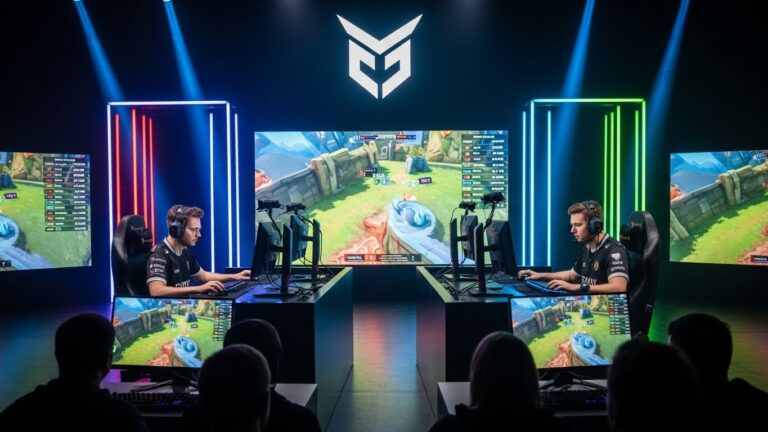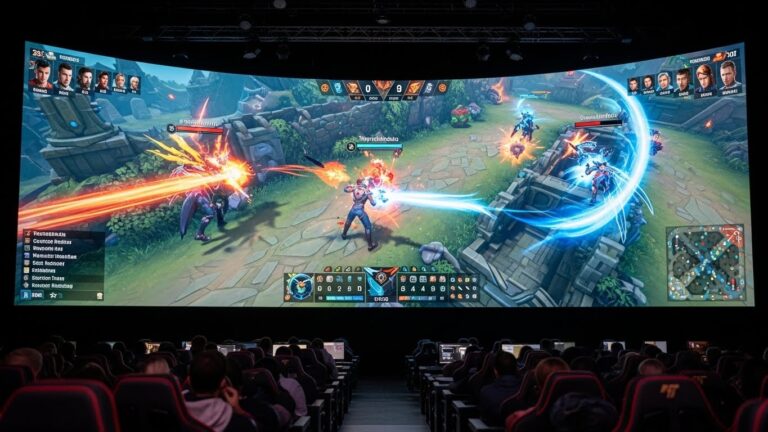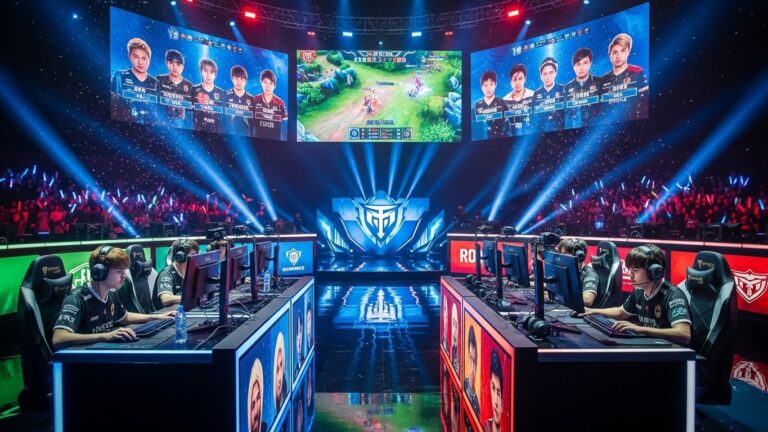
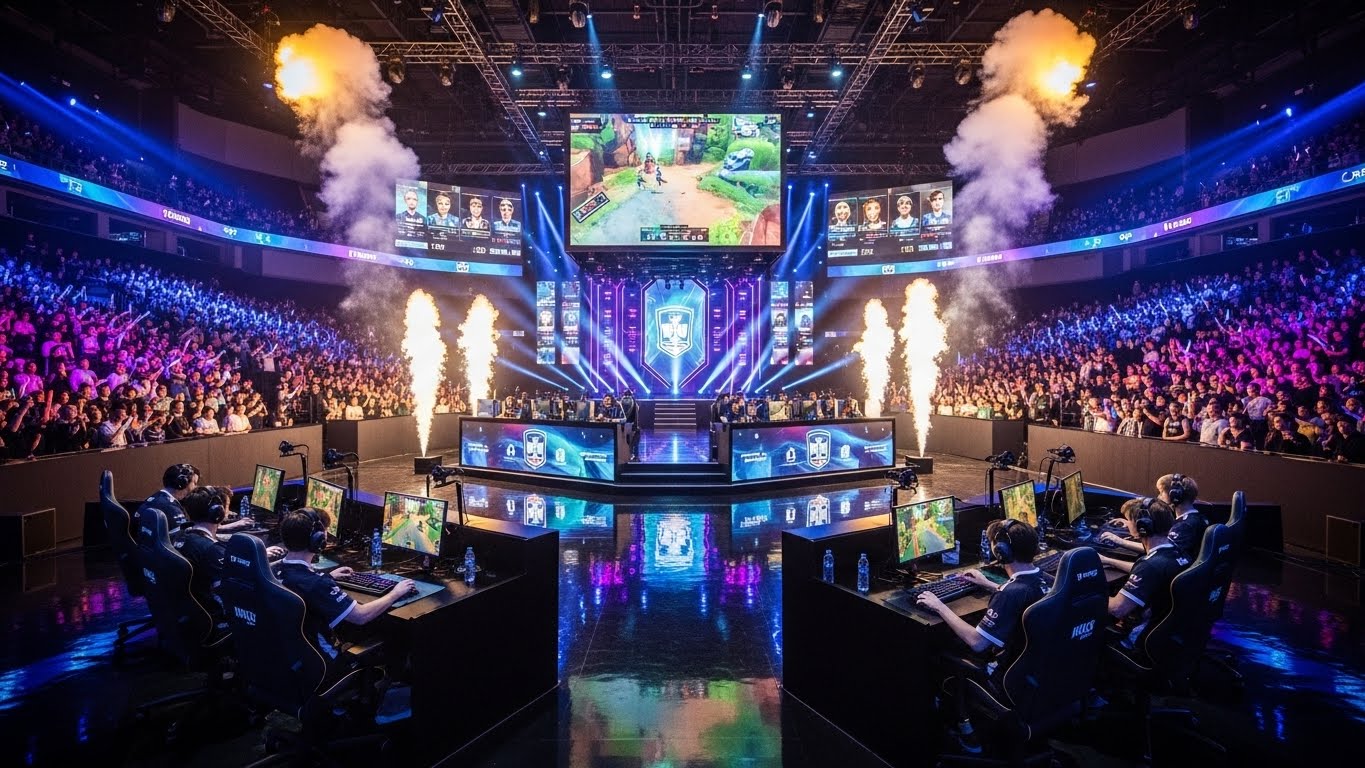
eSports has become one of the fastest-growing sectors in modern entertainment, transforming from small competitive gatherings to global stadium events watched by millions. Once dismissed as a casual hobby, gaming has evolved into a competitive and professional ecosystem where players, teams, coaches, and organizations operate at the same scale as traditional sports. The world of eSports not only entertains but inspires, creating opportunities for athletes, creators, and fans across the globe.
This blog explores the evolution, impact, culture, and future of eSports while breaking down the reasons behind its incredible rise in the digital era.
Understanding eSports
At its core, eSports refers to competitive video gaming played at a professional level. These competitions can be team-based or individual, often involving popular games that require strategy, skill, and fast reflexes. eSports tournaments are organized globally, drawing millions of viewers who watch their favorite players battle for glory, trophies, and large prize pools.
What sets eSports apart is its accessibility. Anyone with a gaming device and internet connection can participate, practice, and aspire to become a professional athlete. This inclusivity has allowed eSports to attract countless fans and competitors, making it one of the most influential entertainment industries today.
The Early Days of Competitive Gaming
Although eSports is a modern term, competitive gaming has existed for decades. The earliest known gaming competition took place in the 1970s, where players battled in arcade-style games. During the 1980s and 1990s, games like Street Fighter, Doom, and Quake became the foundation of competitive play, attracting passionate communities.
However, the most significant shift occurred with the rise of the internet. Online multiplayer gaming changed everything, allowing players from different countries to compete instantly. This innovation set the stage for organized tournaments, professional leagues, and sponsorships that eventually formed the modern eSports industry.
The Explosion of eSports in the 21st Century
The real boom began in the 2000s and continued rapidly into the 2010s. Advancements in technology, high-speed internet, and streaming platforms allowed eSports to reach massive global audiences. Games like League of Legends, Counter-Strike, Dota, and StarCraft laid the foundation for international competitions watched by millions.
Major tournaments began offering prize pools that rivaled traditional sports events. With corporate sponsorships, media coverage, and global infrastructure, eSports shifted from passion-driven gatherings to a fully formed professional ecosystem.
Popular Game Titles in eSports
eSports spans numerous genres, each with its own fanbase, strategies, and competitive structures. Below are some of the most influential categories:
Multiplayer Online Battle Arena Games
MOBA games like League of Legends and Dota 2 are among the most popular eSports titles. They combine strategy, teamwork, and fast-paced action, requiring players to master complex mechanics and coordinate with teammates. These games generate some of the largest tournament prize pools and viewership numbers worldwide.
First-Person Shooters
FPS games, including Counter-Strike, Call of Duty, and Valorant, emphasize precision, reflexes, and teamwork. These games have produced some of the most celebrated eSports athletes known for their sharp aim and quick decision-making abilities.
Battle Royale Games
Battle royale titles such as Fortnite and Apex Legends introduced a new competitive format. Players or teams compete in massive open maps until one remains standing. The unpredictable nature of these matches makes them exciting for both players and spectators.
Sports and Racing Games
Traditional sports games like FIFA and NBA titles also have strong eSports communities. Racing games such as Gran Turismo and Formula tournaments have official leagues backed by real-world sports organizations.
The Professional eSports Lifestyle
Becoming a top-tier eSports player requires more than casual gaming. Professionals follow strict routines similar to athletes in traditional sports. Daily practice sessions, teamwork drills, physical fitness, and strategic planning are essential components of a pro gamer’s lifestyle.
Teams often hire coaches, analysts, nutritionists, and psychologists to enhance player performance. This structure ensures optimal mental focus, strategy development, and overall well-being. Professional gaming is demanding, requiring discipline, commitment, and the ability to work under intense pressure.
The Role of Streaming in eSports Growth
Streaming has played a crucial role in expanding eSports across the globe. Millions of viewers tune in daily to watch competitive matches, tutorials, and live gameplay. Streaming gave players the opportunity to build personal brands, connect with fans, and generate income through content creation.
This dual career path of competitor and content creator has helped professional players reach levels of fame similar to film stars and athletes. Streaming also introduced eSports to wider audiences, turning casual viewers into passionate fans.
The Cultural Impact of eSports
eSports has become more than competitive gaming; it is now a cultural movement. Players from different countries, backgrounds, and languages come together to celebrate their shared passion for gaming. This global connection has created a vibrant community filled with creativity, competition, and camaraderie.
Merchandise, fan art, cosplays, and online forums showcase the deep cultural ties within eSports. Gaming events have become festivals of entertainment, blending technology, music, and fashion into a holistic cultural experience.
eSports as a Career Path
The eSports industry offers numerous career opportunities beyond professional gaming. Some of the most popular roles include:
Game Analyst
Caster and Commentator
Coach and Trainer
Event Organizer
Content Creator
Game Developer
Team Manager
Universities and educational institutions now offer scholarships and programs focused on eSports, highlighting its legitimacy as a career and academic path.
The Role of Technology in Shaping eSports
Technology is the backbone of eSports. Everything from improved graphics to lower latency gameplay contributes to better competitive environments. Innovations such as virtual reality, artificial intelligence, and cloud gaming continue shaping the future of professional competitions.
High-performance gaming equipment, optimized software, and fast internet connections ensure that athletes can compete at their highest level. Technology also enhances viewer experience through high-definition broadcasts, live commentary, and interactive features.
Challenges Facing the eSports Industry
Despite its success, eSports faces several challenges. One major concern is player burnout due to intense schedules and pressure. Maintaining mental and physical health is essential, which is why many teams invest in support staff.
Other issues include fair play, cheating prevention, and maintaining a safe online environment. Ensuring professionalism and standardization across global tournaments is also an ongoing challenge as the industry continues to expand.
The Future of eSports
The future of eSports looks incredibly promising. With growing viewership, better infrastructure, and global acceptance, eSports is on track to become one of the dominant entertainment industries. Virtual reality and augmented reality may transform competitive gaming in ways that merge physical and digital experiences.
More countries are investing in eSports education and training facilities, recognizing its potential economic and cultural impact. As traditional sports organizations collaborate with gaming companies, the lines between physical and digital sports will continue to blur.
Conclusion
eSports has grown from a niche pastime into a global powerhouse of competition, entertainment, and innovation. It unites players, fans, and creators across borders, fostering a sense of community and shared passion. As technology advances and the world becomes more connected, eSports will continue shaping the future of entertainment.
With its dynamic nature, competitive spirit, and limitless potential, eSports is more than just gaming—it is a global movement redefining how we play, watch, and celebrate competition.
About the Author