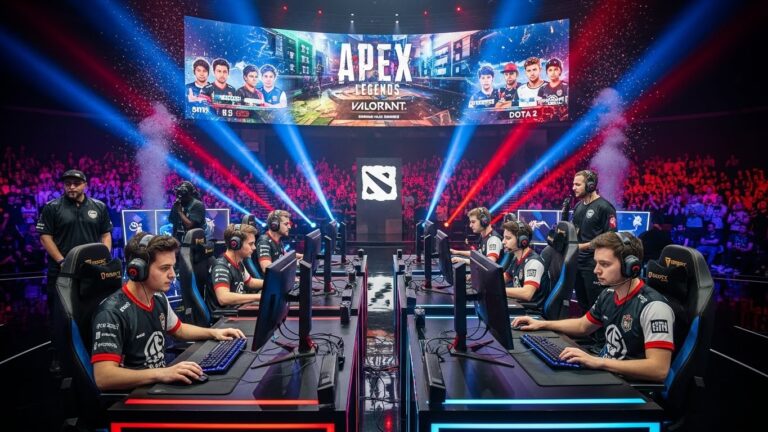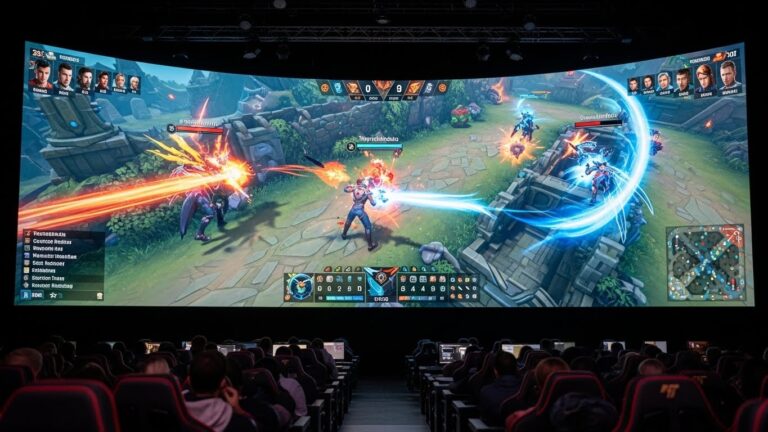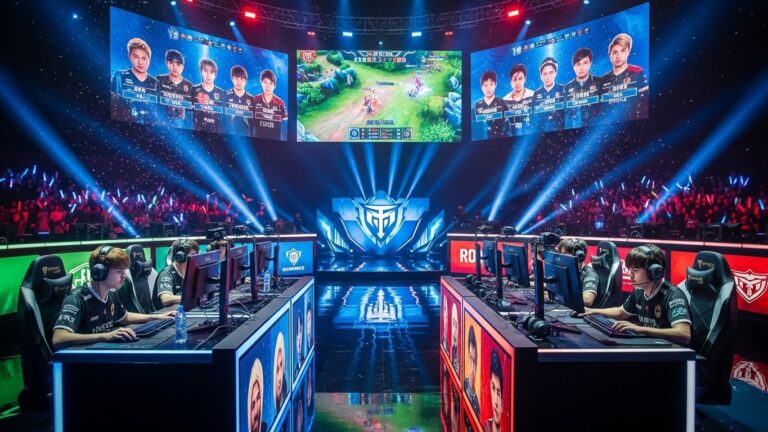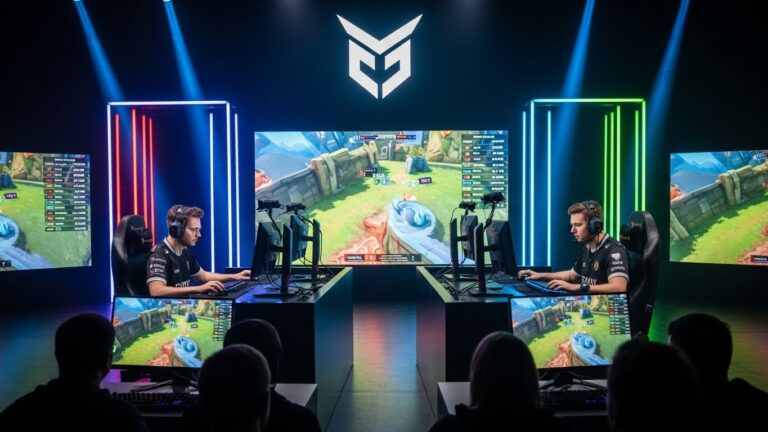
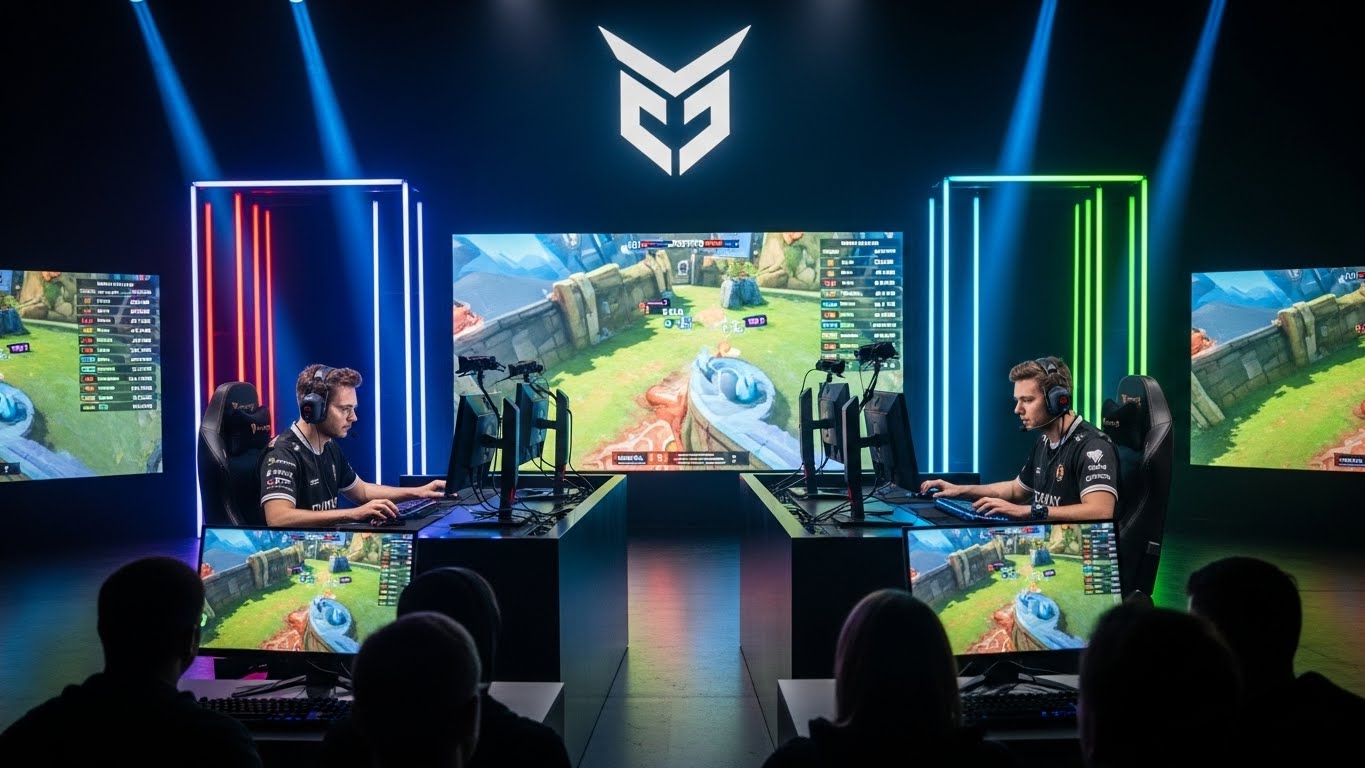
In the past two decades, the world of gaming has transformed from a casual pastime into a multi-billion-dollar industry. At the heart of this evolution lies esports—a competitive form of gaming where players and teams face off in organized tournaments. What was once considered a niche hobby is now recognized globally as a legitimate form of competition, entertainment, and career. In this blog post, we will explore the rise of esports, its impact on society, the culture surrounding it, and what the future holds for this rapidly growing industry.
Understanding Esports
Esports, short for electronic sports, refers to competitive video gaming where individuals or teams compete in various genres, including first-person shooters, real-time strategy games, fighting games, and multiplayer online battle arenas. Unlike traditional video gaming, esports focuses on skill, strategy, and teamwork. Matches are often broadcasted to global audiences through platforms like streaming services, bringing a new dimension of visibility and engagement to competitive gaming.
Esports is not just a form of entertainment; it has evolved into a profession. Top-tier players often receive sponsorships, salary packages, and prize money that can rival earnings in traditional sports. The global esports market has experienced exponential growth, attracting investors, advertisers, and media companies eager to capitalize on the industry’s popularity.
The Historical Evolution of Esports
The concept of competitive gaming is not new. The first documented video game competition took place in 1972 at Stanford University, where students competed in the game “Spacewar.” However, these early competitions were small-scale and lacked mainstream attention.
The late 1990s and early 2000s marked a turning point with the rise of internet connectivity and multiplayer online games. Games like StarCraft and Counter-Strike became the foundation for organized esports tournaments, especially in regions like South Korea, where professional gaming started gaining cultural significance. The introduction of streaming platforms in the 2010s further accelerated esports’ growth by making tournaments accessible to a global audience.
Popular Esports Genres
Esports is diverse, encompassing multiple game genres that cater to different audiences and skill sets. Each genre has its own competitive scene, fanbase, and professional ecosystem. Some of the most popular esports genres include:
- First-Person Shooters (FPS): Games like Counter-Strike: Global Offensive and Call of Duty emphasize precision, reflexes, and tactical decision-making. FPS tournaments are known for their intense pace and high-stakes gameplay.
- Multiplayer Online Battle Arenas (MOBA): Titles such as League of Legends and Dota 2 are strategic games where teams control characters with unique abilities and battle to destroy the opposing team’s base. MOBAs are praised for their depth, teamwork, and long-term competitive appeal.
- Real-Time Strategy (RTS): Games like StarCraft II challenge players to manage resources, build armies, and outmaneuver opponents in real-time. RTS games emphasize strategic planning and adaptability.
- Fighting Games: Street Fighter and Tekken are examples where players compete in one-on-one matches, relying on reflexes, combos, and timing. Fighting game tournaments have cultivated passionate communities worldwide.
- Sports Simulation Games: FIFA and NBA 2K replicate real-world sports, allowing players to compete virtually. These games attract both gamers and traditional sports fans, bridging the gap between physical sports and esports.
The Esports Ecosystem
The esports industry is supported by a complex ecosystem that includes players, teams, tournaments, sponsors, broadcasters, and fans. Each component plays a critical role in sustaining and expanding the competitive gaming landscape.
Players and Teams: Professional gamers often train extensively, similar to traditional athletes. Top players dedicate hours daily to practice mechanics, strategies, and teamwork. Esports teams are professionally managed, providing coaching, nutrition guidance, and mental health support.
Tournaments and Leagues: Major esports tournaments offer substantial prize pools, attracting the best talent worldwide. Events like The International, League of Legends World Championship, and EVO (Evolution Championship Series) have become cultural phenomena, drawing millions of viewers.
Sponsors and Brands: Companies see esports as a lucrative marketing channel. Sponsorships from gaming peripherals, energy drinks, apparel brands, and even mainstream corporations support teams and tournaments, generating revenue and visibility.
Streaming Platforms: Platforms like Twitch, YouTube Gaming, and others allow fans to watch live gameplay, interact with players, and engage with the community. Streaming has democratized esports, enabling smaller tournaments and emerging players to gain recognition.
The Impact of Esports on Society
Esports has influenced society in ways that extend beyond entertainment. One significant impact is its role in creating career opportunities. Beyond professional players, esports offers jobs in coaching, content creation, event management, marketing, and game development.
Education has also embraced esports. Many colleges and universities now offer esports scholarships and programs, recognizing the skills and discipline required in competitive gaming. This has helped legitimize esports as a serious pursuit rather than a recreational hobby.
Furthermore, esports promotes global connectivity. Players from different countries collaborate and compete, fostering cultural exchange and teamwork across borders. Fans from diverse backgrounds come together to celebrate shared interests, creating inclusive communities united by their love for gaming.
Challenges Facing Esports
Despite its rapid growth, esports faces several challenges. One major concern is player burnout. The demanding practice schedules, high pressure to perform, and constant public scrutiny can affect mental health. Organizations are beginning to address this by implementing wellness programs and enforcing structured schedules.
Another challenge is the lack of standardization. Unlike traditional sports, esports has no universally recognized governing body. Rules, tournament formats, and regulations vary across games and regions, making it difficult to maintain consistency and fairness.
Monetization and sustainability are also ongoing issues. While top-tier players and teams earn significant income, smaller players and emerging organizations often struggle financially. Ensuring long-term stability for the broader esports ecosystem remains a priority.
The Future of Esports
The future of esports looks promising, with continued technological advancements and growing mainstream recognition. Virtual reality (VR) and augmented reality (AR) may revolutionize how players compete and how fans experience tournaments. Imagine immersive esports arenas where spectators can view matches from a first-person perspective or interact with the game environment.
Esports will likely continue integrating with traditional sports. Collaborations, crossover events, and hybrid competitions could blur the lines between physical and digital athletics. Major sports leagues have already started investing in esports teams, recognizing the potential to reach younger, tech-savvy audiences.
Education and community development will also play a crucial role. As esports becomes more institutionalized, educational programs can help players develop skills beyond gaming, such as leadership, communication, and problem-solving. Communities will grow stronger as fans continue to engage with events, content, and social experiences surrounding esports.
Conclusion
Esports has transformed the way we view gaming, turning it from a solitary hobby into a global spectacle. With its diverse genres, professional players, dedicated teams, and massive fanbase, esports has become a legitimate industry with cultural, economic, and social impact. While challenges such as mental health concerns, standardization, and financial sustainability exist, the growth trajectory remains strong. The integration of technology, education, and traditional sports promises an exciting future for competitive gaming.
The rise of esports is more than just a trend—it is the beginning of a new era where digital competition holds the same respect, excitement, and admiration as traditional sports. As players, fans, and industry leaders continue to push the boundaries, esports is poised to redefine what it means to compete, entertain, and connect in the 21st century.
About the Author