Introduction: The Evolution of Esports from Hobby to Global Phenomenon
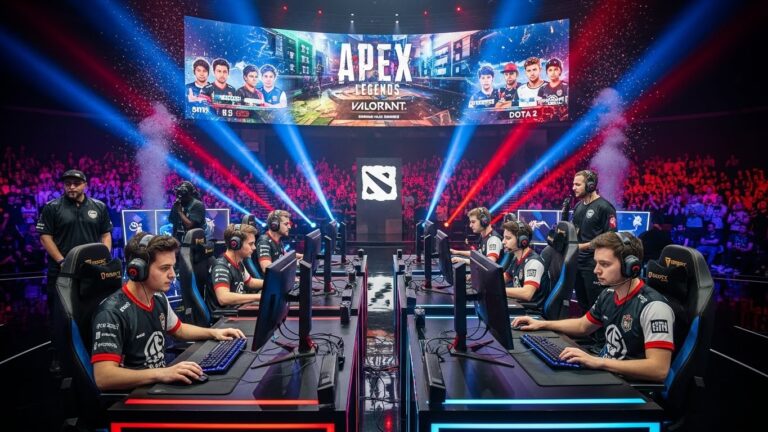
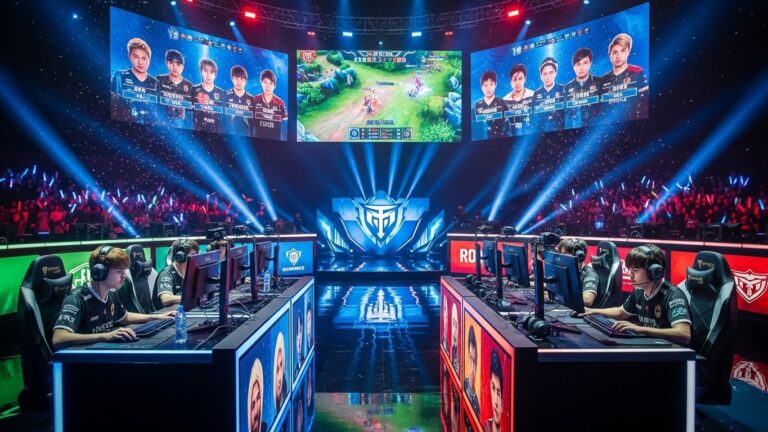
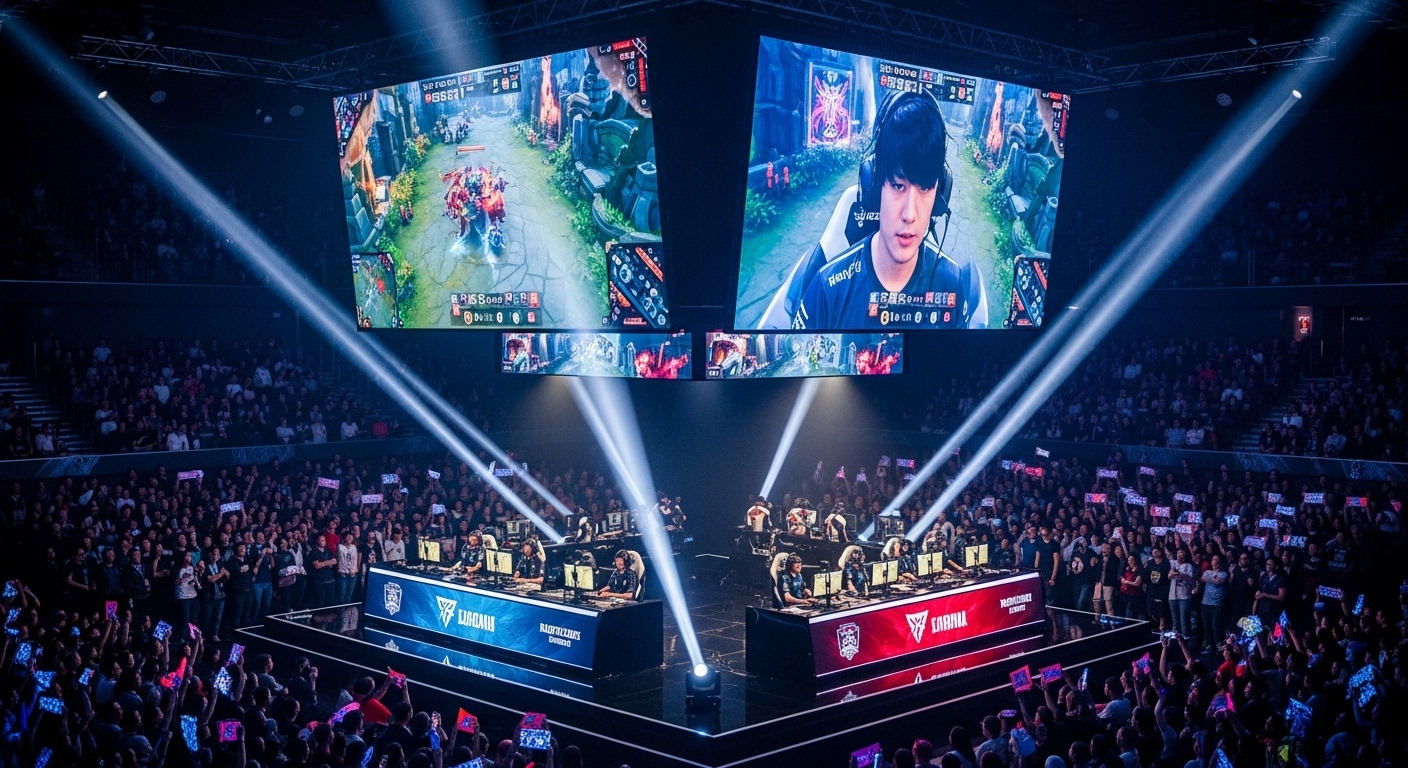
In recent years, esports has emerged from the underground world of competitive gaming to become a global cultural and economic powerhouse. Once considered a niche activity for computer enthusiasts and casual gamers, esports has now evolved into a multi-billion dollar industry with a dedicated following of millions. From massive international tournaments with millions of dollars in prize money to sold-out arenas and live-streamed events with millions of viewers, esports has cemented its place as a mainstream form of entertainment.
But esports is more than just about the games themselves. It represents a new form of sports culture, combining the thrills of traditional sports with the excitement and accessibility of digital platforms. The growth of esports is a testament to how gaming has become not just a pastime, but a lifestyle — one that transcends age, geography, and cultural boundaries.
In this blog post, we will explore the rise of esports, its impact on entertainment, culture, and society, and the future of this rapidly growing phenomenon.
What is Esports? Understanding the Digital Sport Revolution
Esports refers to organized, multiplayer video game competitions, often involving professional players, teams, and large-scale tournaments. Unlike traditional video games, where the primary focus is individual play or casual enjoyment, esports is competitive by nature, with players and teams competing for prestige, sponsorships, and substantial monetary rewards.
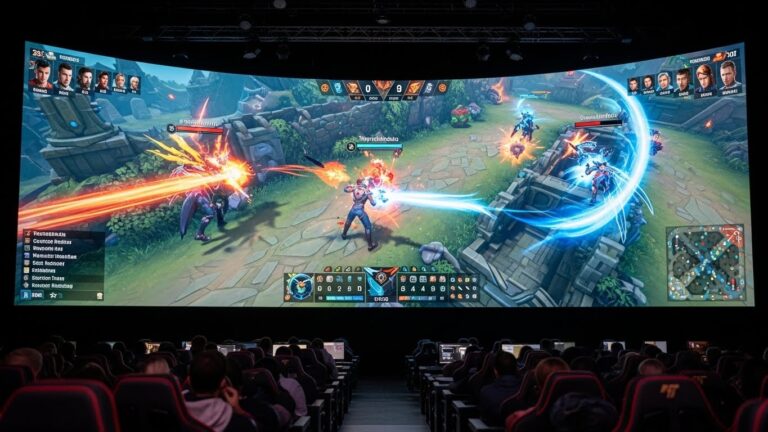
The games played in esports tournaments span a wide range of genres, including first-person shooters (FPS), real-time strategy (RTS), multiplayer online battle arenas (MOBA), and sports simulation games. Some of the most popular games in the esports world include titles like League of Legends, Dota 2, Counter-Strike: Global Offensive, Fortnite, and Overwatch.
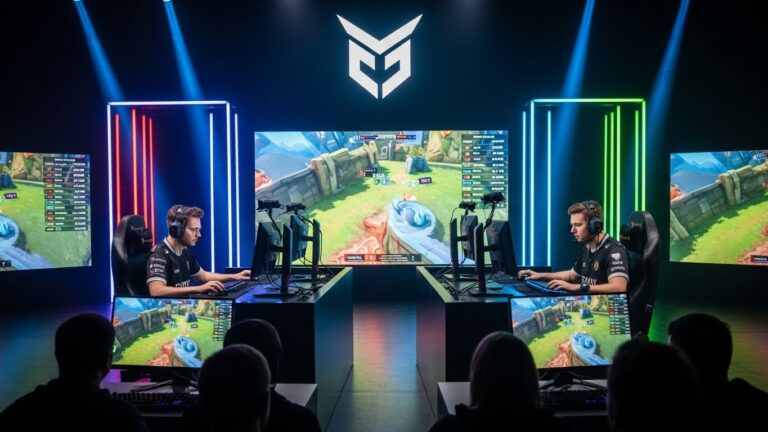
What sets esports apart from traditional gaming is its highly organized nature, with professional players often participating in teams that train and compete just like any other professional sport. Esports competitions are held in front of live audiences, streamed online, and often receive media coverage on par with traditional sports events.
The Growth of Esports: From Casual Gaming to Mainstream Entertainment
Esports has grown at an astonishing rate over the past decade. In the early days, gaming tournaments were often small-scale affairs held at local LAN (Local Area Network) parties or gaming conventions. These events were mostly attended by die-hard fans and a niche community of competitive gamers. However, with the advent of streaming platforms like Twitch, YouTube Gaming, and Mixer, esports began to capture the attention of a much larger audience.
Streaming platforms made it possible for anyone with an internet connection to watch their favorite players and teams compete in real-time. This accessibility allowed esports to reach a global audience, transcending physical boundaries and opening the door to a new era of digital entertainment.
Additionally, the rise of major esports organizations, teams, and sponsorships has fueled the professionalization of competitive gaming. Leading gaming companies and global brands began investing heavily in esports leagues, tournaments, and team sponsorships, further legitimizing the industry as a major form of entertainment.
Today, esports is a multi-billion-dollar industry, with revenue streams from sponsorships, media rights, merchandise sales, and tournament prize pools. Major esports events, such as The International (Dota 2’s annual championship) and League of Legends World Championship, offer prize money in the millions, attracting top-tier players from around the world.
Esports and Its Cultural Impact: Changing How We View Competition and Entertainment
Esports is not just about the games themselves; it is a reflection of a broader cultural shift. It has changed how we perceive competition, entertainment, and community. The digital nature of esports means that it is accessible to anyone with a gaming device and an internet connection. This has led to an inclusive and diverse fanbase, with players and viewers coming from all walks of life, ages, and backgrounds.
One of the most significant impacts of esports has been its ability to connect people across the globe. Fans of the same game can unite in virtual spaces, discuss strategies, and cheer on their favorite players and teams. This sense of community is further amplified by live-streaming platforms, where viewers can interact with players in real-time through chat features, contributing to a sense of shared experience.
Moreover, esports has fostered a new form of celebrity. Professional gamers, streamers, and content creators are now seen as global stars with loyal fanbases. These gamers have become influencers, using their platforms to promote brands, launch personal merchandise, and even shape the future of gaming culture. Just like athletes in traditional sports, esports players are now recognized for their skill, dedication, and accomplishments on a global scale.
Esports and the Future of Gaming: The Digital Sports Arena
As esports continues to grow, it is also changing the future of gaming itself. Game developers are increasingly designing titles with competitive play in mind, making them suitable for both casual players and professional esports athletes. Games are becoming more complex, balanced, and polished, ensuring that they can support both competitive and casual gaming experiences.
Esports also serves as a testing ground for the future of virtual reality (VR) and augmented reality (AR) gaming. VR and AR technologies offer exciting possibilities for immersive esports experiences, allowing players to step into virtual worlds in ways never before possible. These technologies could revolutionize the way esports competitions are played and watched, adding a new layer of realism and excitement to the spectator experience.
Another key aspect of the future of esports is its integration with traditional sports. Many major sports organizations and teams have already invested in esports, with franchises like the NBA and football clubs like Manchester City launching their own esports teams. This blending of traditional sports and esports is likely to continue as both industries see the potential for crossover and mutual growth.
The Economics of Esports: A Thriving Industry with Multiple Revenue Streams
Esports has rapidly become a multi-billion-dollar industry with a diverse range of revenue sources. The economic model of esports is similar to that of traditional sports, but with some key differences due to the digital nature of the industry.
One of the largest revenue streams for esports is sponsorships. Major global brands like Coca-Cola, Intel, and Red Bull sponsor top esports teams and tournaments, contributing significant amounts of money to the industry. In addition, media rights are a huge source of income, as esports organizations sell broadcasting rights to streaming platforms and television networks. This has allowed esports to become a global spectacle, accessible to millions of viewers around the world.
Tournament prize money is another major revenue stream, with some of the largest esports tournaments offering prize pools in the millions. The International (Dota 2’s championship) holds the record for the largest esports prize pool, with the 2021 event offering over $40 million in total prize money.
Esports also generates revenue from merchandise sales, including team jerseys, apparel, and gaming peripherals. As esports continues to gain popularity, it has created a thriving ecosystem of brands, creators, and content producers who benefit from the industry’s growth.
Esports and Education: Opportunities for Careers in Gaming
As esports continues to rise in prominence, it has also created new opportunities in education and career development. Universities and colleges around the world have begun offering esports scholarships and programs for students interested in pursuing careers in gaming, game development, and esports management.
Esports programs at the collegiate level allow students to compete in organized leagues while gaining valuable experience in game design, coaching, event management, and broadcasting. This opens the door to a wide range of careers in the esports ecosystem, from professional gaming and content creation to team management and event production.
Additionally, the rise of esports has also created opportunities for those interested in the business side of the industry. Roles in marketing, sponsorship sales, content creation, and media management are all in demand, as esports organizations and sponsors look to grow their brands and reach new audiences.
Esports and Mental Health: The Pressures of Competitive Gaming
While esports has brought many benefits, it is also important to acknowledge the mental health challenges that come with competitive gaming. Professional esports players face immense pressure to perform at the highest level, often sacrificing their personal lives and well-being to train and compete.
The competitive nature of esports, combined with long hours of practice and frequent travel, can lead to burnout, anxiety, and stress. In response, many esports organizations are beginning to prioritize mental health and well-being, offering support services like counseling, fitness programs, and downtime for players.
Esports players, like traditional athletes, need to maintain a healthy balance between work and life. As the industry matures, addressing the mental health of players will become an essential part of fostering sustainable careers and a positive esports culture.
The Future of Esports: A New Era of Digital Entertainment
The future of esports looks incredibly bright. As technology continues to evolve and esports becomes more integrated into mainstream culture, we can expect even more exciting developments. The potential for virtual reality and augmented reality in esports, along with greater access to high-speed internet and streaming platforms, will make esports even more immersive and engaging for players and fans alike.
Esports will continue to grow as a form of entertainment, with larger global tournaments, increased media coverage, and greater fan engagement. As the lines between traditional sports and esports continue to blur, we may even see the day when esports is included in the Olympic Games.
Esports has already become a global cultural force, and its influence will only continue to grow. Whether you are a competitive gamer, a casual viewer, or an industry professional, esports is here to stay, shaping the future of entertainment for generations to come.
Conclusion: Esports as the Future of Entertainment and Sport
Esports has come a long way since its humble beginnings. Today, it stands as a global phenomenon that transcends gaming culture, offering new forms of entertainment, new career opportunities, and new ways to engage with the world. As esports continues to grow, it will redefine
About the Author