Introduction
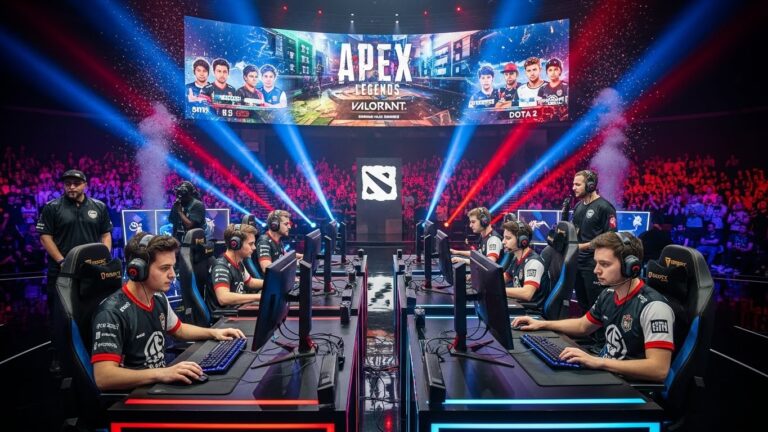
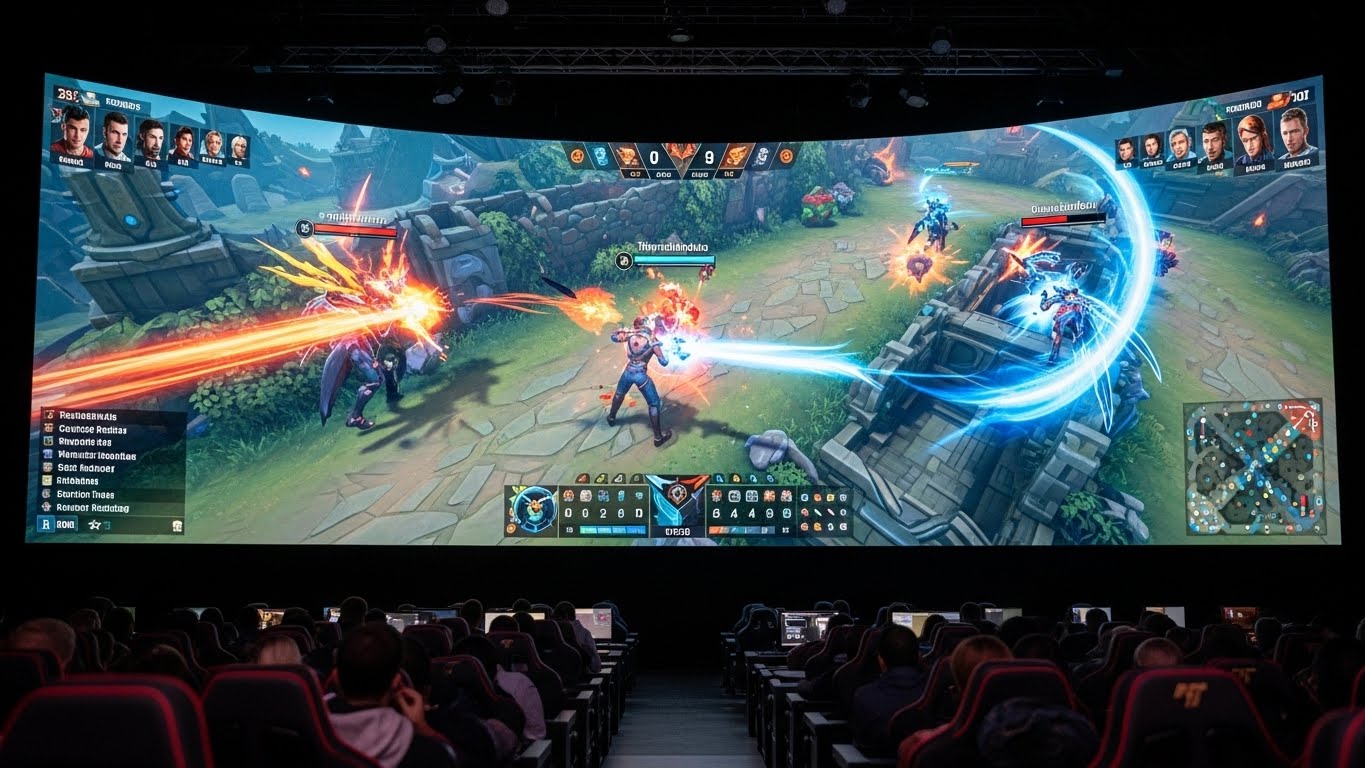
The world of competitive gaming has evolved beyond a casual pastime into a full-fledged global phenomenon known as esports. From modest beginnings in small LAN parties to massive arenas filled with thousands of spectators, esports has transformed the way people engage with video games. This evolution is not just a shift in entertainment but a cultural and economic movement, challenging traditional sports and creating new opportunities for players, fans, and businesses alike.
The Origins of Esports
Esports, or electronic sports, can trace its roots back to the late 1970s and 1980s when simple arcade competitions were held for games like Space Invaders and Pac-Man. These early contests were local, small-scale events that laid the groundwork for competitive gaming. By the 1990s, multiplayer games such as Quake and StarCraft gained popularity, and organized tournaments started attracting larger audiences. The advent of the internet enabled players from around the world to compete virtually, creating the first wave of global esports communities.
The Growth of Esports as an Industry
Today, esports has grown into a billion-dollar industry. Major tournaments for games like League of Legends, Dota 2, and Counter-Strike: Global Offensive offer prize pools worth millions, attracting professional players who dedicate their lives to competitive gaming. Sponsorship deals, streaming platforms, and merchandise sales contribute significantly to the industry’s revenue. Esports organizations operate much like traditional sports teams, employing coaches, analysts, and marketing professionals to ensure their success both on and off the digital field.
Popular Esports Games and Genres
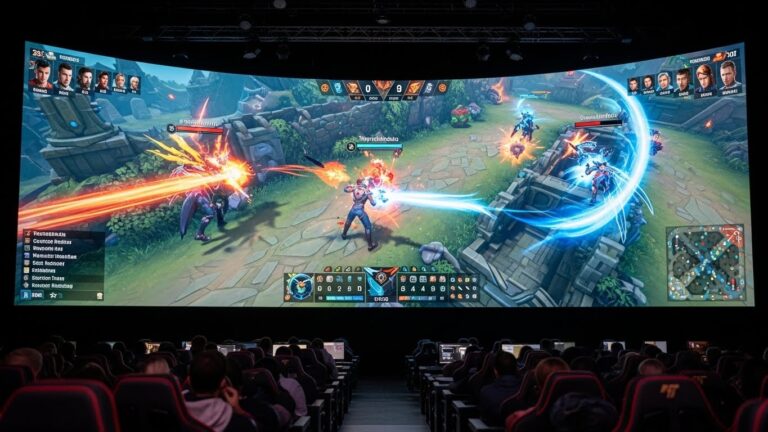
Esports is not confined to a single type of game; it spans multiple genres. Multiplayer online battle arenas, or MOBAs, like League of Legends and Dota 2, emphasize strategy, teamwork, and fast-paced decision-making. First-person shooters, such as Counter-Strike: Global Offensive and Valorant, focus on precision, reflexes, and tactical coordination. Fighting games like Street Fighter and Tekken test one-on-one skill and reaction time. Sports simulations, including FIFA and NBA2K, attract fans who enjoy virtual versions of traditional sports. This diversity in genres allows esports to cater to a wide range of players and viewers, expanding its global reach.
The Role of Streaming Platforms
The success of esports is closely tied to the rise of streaming platforms. Platforms like Twitch and YouTube Gaming have allowed players to broadcast their gameplay to millions of viewers, creating new opportunities for interaction and engagement. Fans can watch live tournaments, follow their favorite players, and even learn advanced strategies through tutorials. Streaming has also given rise to influencers who bridge the gap between professional esports and casual gaming audiences, contributing to the overall growth of the industry.
Professional Players and Esports Careers
Professional esports players are no longer seen as hobbyists but as elite athletes. They undergo rigorous training schedules, often practicing six to eight hours daily to maintain their reflexes, strategies, and teamwork. Many players also focus on physical fitness, mental health, and diet, recognizing that peak performance requires a holistic approach. Beyond playing, esports offers a range of career opportunities, including coaching, broadcasting, event management, game development, and marketing. This expansion of career options is attracting talent from traditional sports, media, and technology sectors.
Esports Tournaments and Events
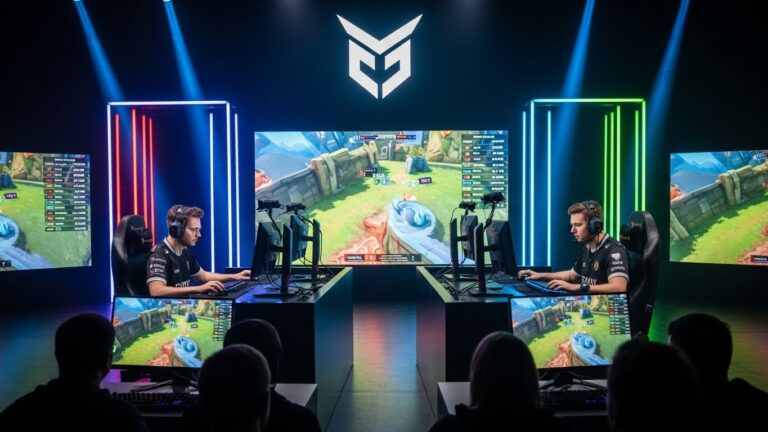
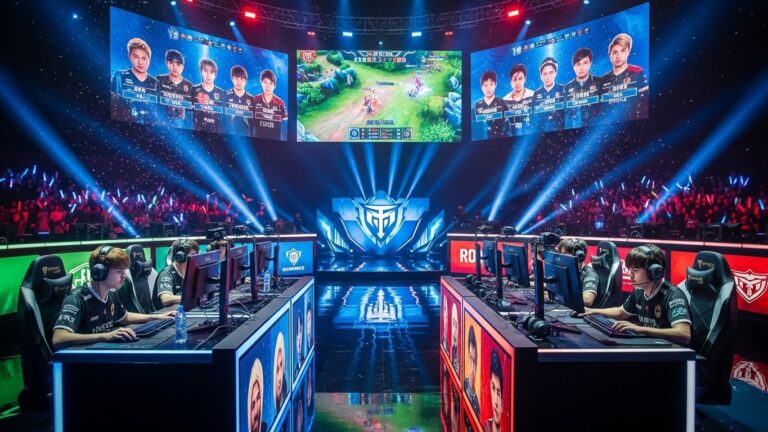
Major esports tournaments have become cultural spectacles. Events like The International for Dota 2, the League of Legends World Championship, and the Fortnite World Cup attract millions of viewers worldwide. These tournaments feature high production values, including live commentary, immersive visuals, and interactive fan experiences. The competitive atmosphere is enhanced by massive prize pools that can reach tens of millions of dollars, making them a serious career pursuit for players. Local and regional tournaments also play a crucial role in developing talent and nurturing the next generation of esports stars.
Impact on Youth and Education
Esports is particularly popular among younger generations, who see competitive gaming as both a passion and a potential career path. Schools and universities are increasingly recognizing esports as a legitimate extracurricular activity, offering scholarships and organized programs to cultivate talent. Educational institutions are also integrating esports into curriculums focused on game design, computer science, and media studies, reflecting the growing influence of gaming in professional and academic settings. While some critics express concern about excessive screen time, many experts argue that esports can teach valuable skills such as strategic thinking, teamwork, communication, and problem-solving.
Esports and Technology
Technological advancements have been pivotal to the rise of esports. High-speed internet, powerful gaming hardware, and sophisticated streaming software have made competitive gaming more accessible and engaging than ever before. Virtual reality and augmented reality are opening new frontiers, allowing players and spectators to experience immersive environments. Artificial intelligence is also being leveraged for game analytics, performance tracking, and even opponent prediction, enhancing both player skill development and audience enjoyment. The interplay between technology and esports ensures that the industry will continue to innovate rapidly.
Global Influence and Cultural Integration
Esports has transcended regional boundaries, creating a truly global community. South Korea, often referred to as the birthplace of modern esports, has institutionalized competitive gaming, with professional leagues broadcasted on television. North America and Europe have developed robust esports ecosystems, hosting international events and cultivating celebrity players. Countries in Latin America, Southeast Asia, and the Middle East are emerging as important players in the global esports scene. Beyond gaming, esports culture has influenced music, fashion, and entertainment, with collaborations between esports brands and mainstream media becoming increasingly common.
Challenges Facing the Esports Industry
Despite its growth, esports faces several challenges. Player burnout is a significant issue due to intense training schedules and high-pressure competitions. The industry also struggles with issues of inclusivity and diversity, as female players and minority groups remain underrepresented. Regulatory frameworks are still developing, leading to questions about labor rights, player contracts, and tournament fairness. Furthermore, the fast-paced nature of game development can make esports leagues dependent on the popularity of a few games, posing risks if trends shift. Addressing these challenges is crucial for ensuring long-term sustainability and credibility.
The Future of Esports
The future of esports is poised for remarkable expansion. Emerging technologies like cloud gaming will make high-quality esports accessible to anyone with an internet connection, removing barriers posed by expensive hardware. Integration with mainstream sports and entertainment will continue to grow, with esports potentially becoming an Olympic-recognized competition in the coming years. Educational programs will nurture professional players and industry professionals, further legitimizing esports as a career path. As esports continues to evolve, it will redefine what it means to be a professional athlete, a fan, and a gamer in the digital era.
Conclusion
Esports represents more than just competitive gaming; it is a cultural, technological, and economic revolution. From its humble beginnings to a billion-dollar industry, esports has captured the imagination of millions worldwide, providing entertainment, career opportunities, and a sense of community. As technology advances and global interest continues to rise, esports is poised to become an enduring and influential part of modern culture. The digital arena has proven that competition knows no boundaries and that gaming can be both an art form and a professional pursuit. Esports is not just a trend; it is the future of competition.
About the Author