Introduction: The Emergence of a Digital Arena
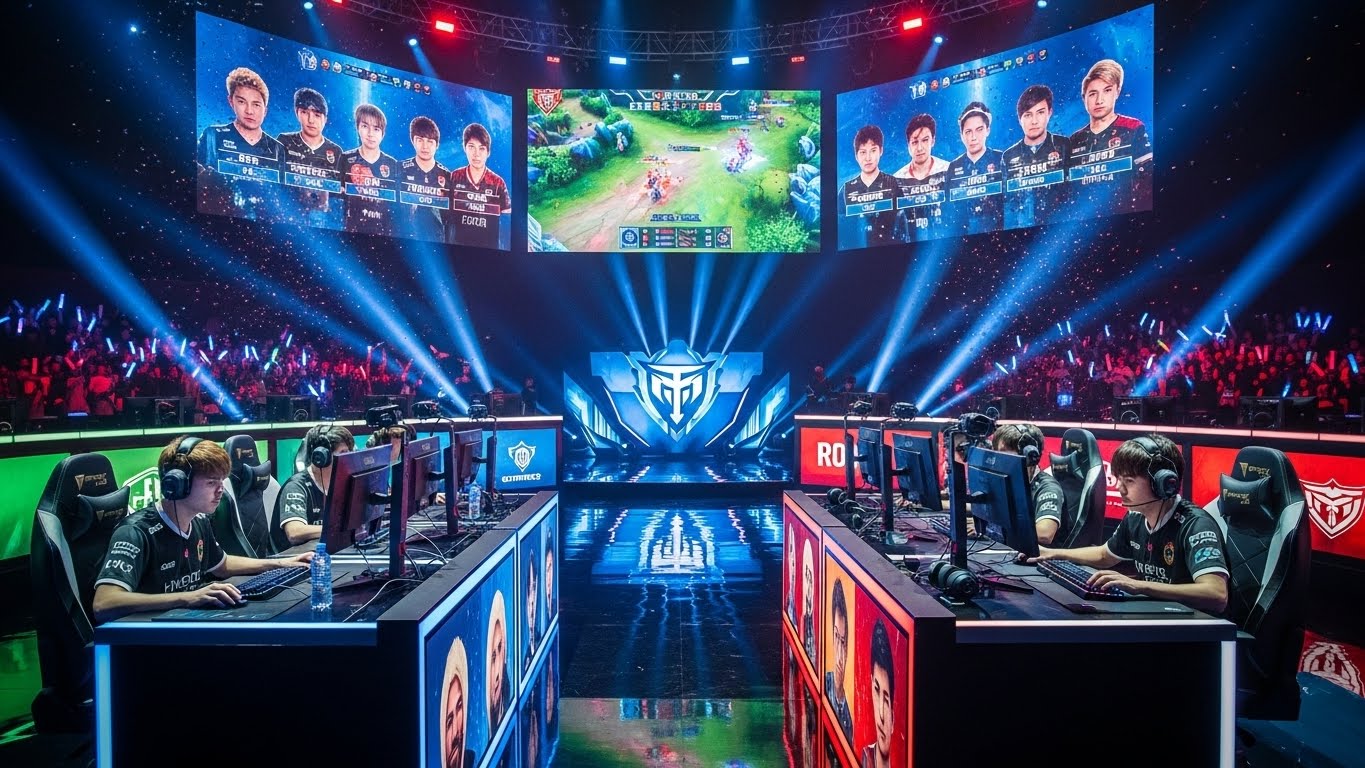
In recent years, the world of gaming has undergone a dramatic transformation. Once considered a casual pastime, video gaming has evolved into a professional, highly competitive domain known as esports. Esports, short for electronic sports, represents organized, multiplayer video game competitions, often featuring professional players, massive tournaments, and global audiences. What began as niche communities of dedicated gamers has now grown into a multi-billion-dollar industry, influencing culture, entertainment, and even education. This rise is not only about the games themselves but also the infrastructure, investment, and fandom that surround competitive gaming.
Understanding Esports: More Than Just Playing Games
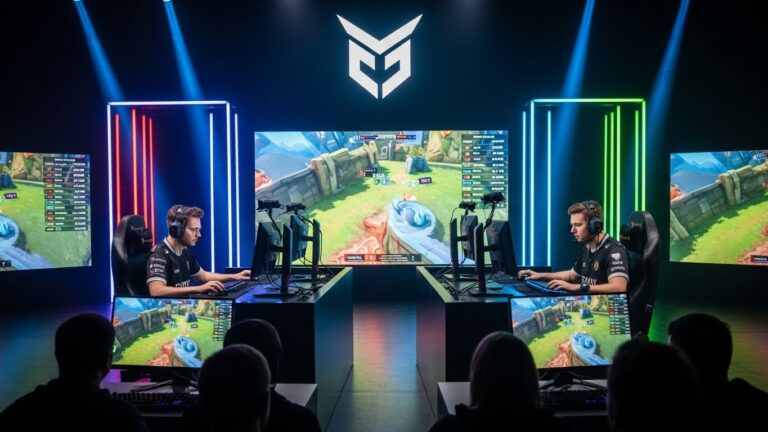
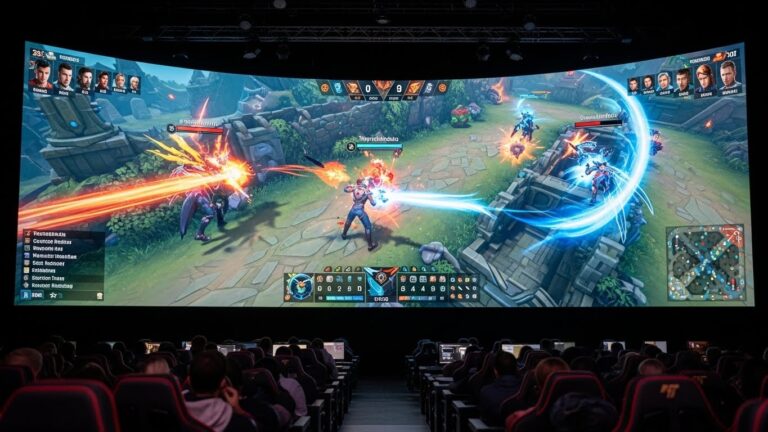
At its core, esports involves more than mere gaming skill. It demands strategy, teamwork, communication, and mental agility. Players spend countless hours honing their abilities, analyzing opponents, and developing tactics that give them an edge. Popular esports titles span multiple genres, including multiplayer online battle arenas, first-person shooters, real-time strategy games, and sports simulations. Each genre brings unique challenges, rules, and competitive dynamics. For instance, games like League of Legends require deep strategic thinking and fast reflexes, while titles like FIFA rely on precise coordination and understanding of sports mechanics. Esports players, therefore, are not just gamers—they are athletes in the digital realm, training rigorously to achieve peak performance.
The Growth of Esports: From Basement Competitions to Global Stages
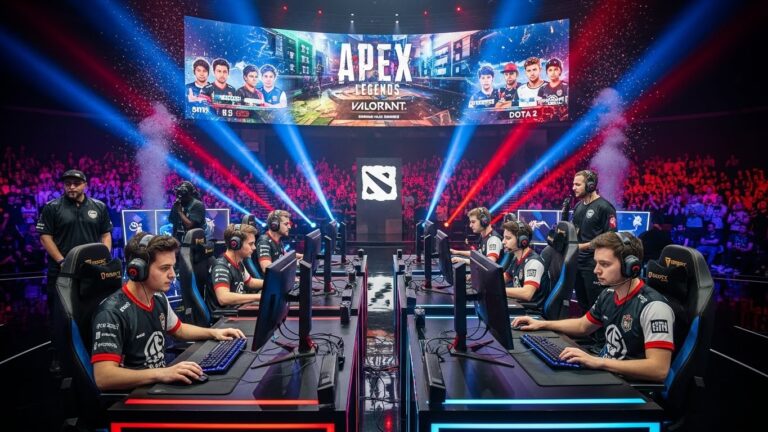
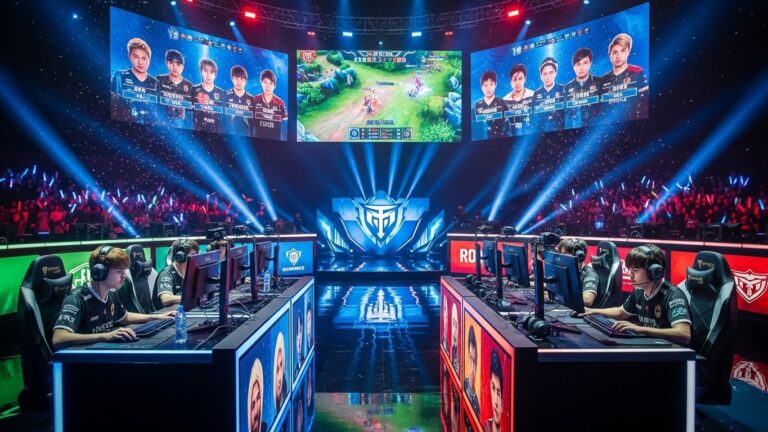
The journey of esports from small gatherings to stadium-level events is remarkable. In the early 2000s, competitive gaming was limited to local LAN (Local Area Network) parties and small online tournaments. Today, esports events draw tens of thousands of spectators in physical arenas and millions more online through streaming platforms. Major tournaments offer multi-million-dollar prize pools, attracting sponsors, media attention, and professional teams. Cities around the world now host esports festivals, integrating live music, fan zones, and merchandise to create a festival-like experience. The visibility of these events has helped legitimize esports as a professional pursuit, challenging traditional notions of sports and entertainment.
Professionalization and Career Paths in Esports
Esports has developed a structured professional ecosystem, providing diverse career opportunities beyond playing. Professional players are often signed by esports organizations, receive salaries, and may earn additional income through sponsorships and streaming. Coaches, analysts, event organizers, content creators, and commentators contribute to the thriving industry, highlighting that esports is not just about competition but also content creation and business management. Academic institutions and online platforms have begun offering courses related to esports management, game design, and even athletic training for digital sports, showing that the industry’s growth is intertwined with education and professional development.
The Role of Technology in Shaping Esports
Advancements in technology have been crucial in making esports a global phenomenon. High-speed internet, powerful gaming hardware, and sophisticated streaming platforms enable seamless gameplay and real-time broadcasting to millions of viewers. Additionally, data analytics and AI tools help teams analyze performance, strategize, and improve training methods. Virtual reality and augmented reality technologies are also beginning to influence esports, offering immersive experiences and new ways to compete. Technology does not merely facilitate competition—it also enhances fan engagement, making it easier for audiences to watch, interact, and participate in the esports community.
Esports and Its Cultural Impact
Esports is more than a competitive platform; it has become a cultural movement. Fans create communities around favorite teams and players, forming global networks of shared enthusiasm. Merchandise, fan art, and digital content contribute to a vibrant fan culture, similar to traditional sports fandom. Social media amplifies this engagement, allowing instant interaction between players and fans. Furthermore, esports has influenced mainstream entertainment, with appearances in films, television, and music. It has also opened conversations about diversity and inclusivity, as gaming communities strive to be more representative and welcoming to players from different backgrounds.
Challenges and Controversies in Esports
Despite its rapid growth, esports faces several challenges. The intense competitive environment can lead to mental health issues among players, including stress, burnout, and anxiety. Additionally, the industry struggles with issues like cheating, doping, and match-fixing, which threaten its integrity. Gender disparity is another ongoing concern, as female players remain underrepresented in professional circuits. Organizations and governing bodies are actively working to address these challenges through better regulations, player welfare programs, and diversity initiatives. Overcoming these obstacles is crucial to sustaining esports as a legitimate and respected form of competition.
Esports as a Global Industry
The economic impact of esports is substantial. Revenue comes from multiple streams, including sponsorships, merchandise, advertising, ticket sales, and media rights. Asia, North America, and Europe are the leading regions in esports revenue, but emerging markets in South America, Africa, and the Middle East are gaining momentum. Governments recognize the potential of esports for tourism, employment, and innovation, often providing support for events and infrastructure. The industry’s globalization has created interconnected networks of players, teams, and fans, making esports one of the most internationally inclusive entertainment forms today.
The Future of Esports: Opportunities and Innovations
Looking ahead, esports shows no signs of slowing down. New game titles and platforms continue to emerge, expanding competitive possibilities. The integration of esports with virtual reality, blockchain technology, and artificial intelligence could redefine how tournaments are played and viewed. Additionally, esports is likely to become increasingly intertwined with traditional sports, with collaborations, hybrid competitions, and cross-promotional events. Educational initiatives are expected to grow, nurturing talent pipelines and professional pathways. The future of esports is one of innovation, expansion, and cultural integration, where gaming is recognized not only as entertainment but also as a form of art, strategy, and athleticism.
Conclusion: Esports as a Transformative Force
Esports has evolved from a niche hobby into a transformative global industry, reshaping the way we think about competition, technology, and entertainment. Its impact extends beyond gaming, influencing culture, education, and professional careers. While challenges remain, the industry’s resilience and innovation continue to propel it forward, inspiring millions of players and fans worldwide. Esports exemplifies the power of digital connectivity and creativity, proving that the boundaries of sports and competition are no longer limited to the physical world. The journey of esports is far from over, and its future promises to be even more thrilling, immersive, and influential than its remarkable past.
About the Author