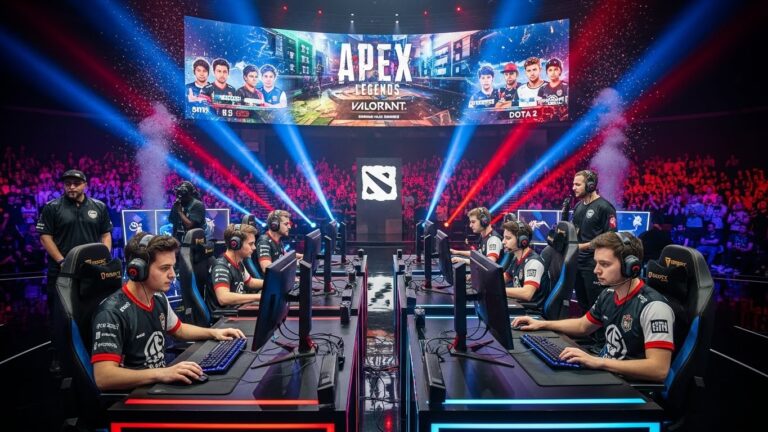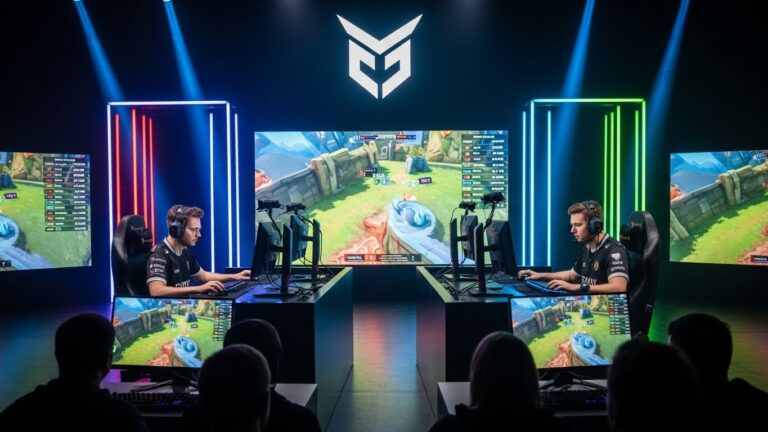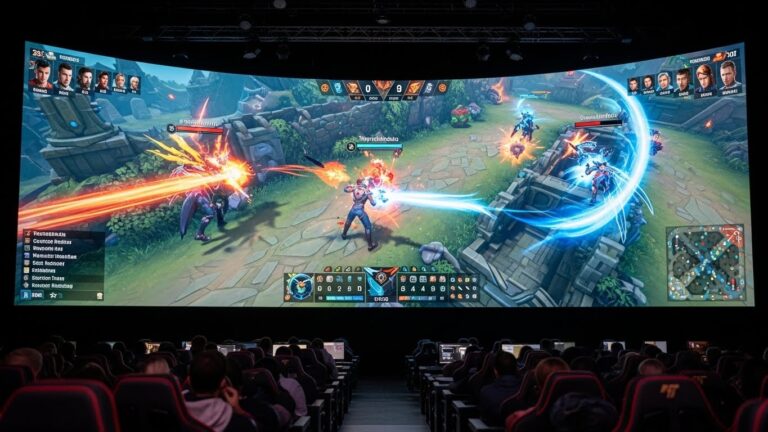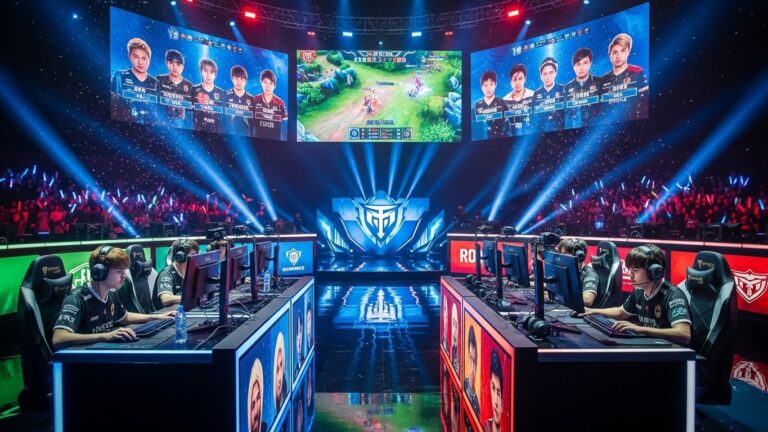
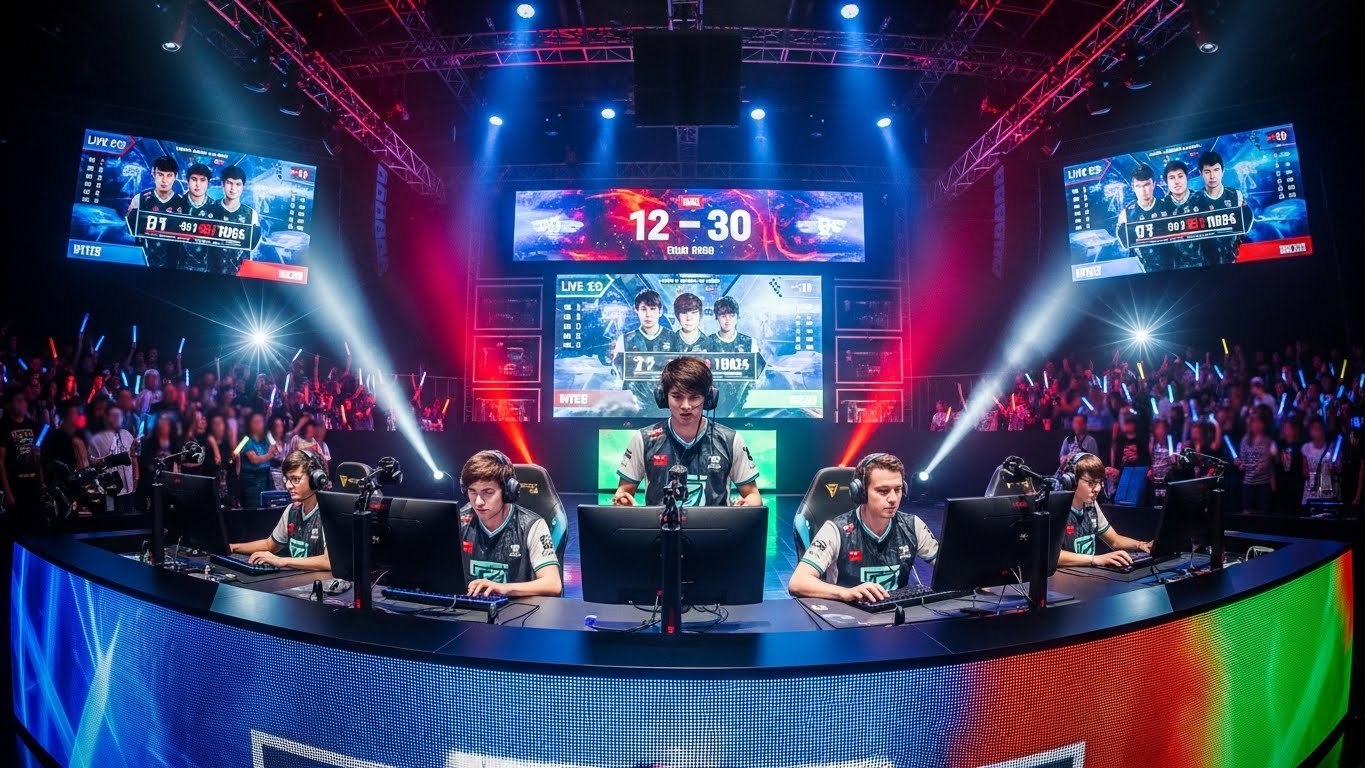
Esports, short for electronic sports, has evolved from a niche hobby to a multi-billion-dollar global industry. The surge in popularity of competitive gaming has transformed it into a mainstream entertainment powerhouse, attracting millions of fans, professional players, and investors worldwide. In this post, we’ll explore the growing significance of esports, its impact on the gaming community, and the future of this electrifying form of competition.
The Birth of Esports
The journey of esports began in the late 20th century, when gaming competitions started taking shape in small-scale LAN (Local Area Network) tournaments. These early events were informal gatherings of gamers who competed in popular titles like Street Fighter, WarCraft, and Quake. While these competitions were modest in scope, they laid the foundation for what would eventually become a global phenomenon.
In the 2000s, as internet connectivity improved, competitive gaming expanded beyond local events to online competitions, making it easier for players to participate and for fans to watch. Games like StarCraft and Counter-Strike were among the first to cultivate dedicated followings, and gaming leagues began to form. The professionalization of esports started in earnest, with tournaments offering prize money, sponsorships, and broadcasting deals.
Esports Today: A Billion-Dollar Industry
Fast forward to today, and esports has become an industry worth over $1 billion. Major tournaments like The International (Dota 2), League of Legends World Championship, and CS:GO Major Championships attract millions of viewers online and in person. Esports has evolved into a legitimate entertainment sector, with players signing lucrative contracts, earning sponsorships, and creating content that resonates with a global audience.
One of the main reasons for esports’ explosive growth is its accessibility. Games are played on PCs, consoles, or mobile devices, and players can compete from anywhere in the world. This broad reach has allowed esports to tap into diverse audiences across different cultures and regions. For instance, League of Legends has a massive following in South Korea and China, while Fortnite and Call of Duty dominate in the United States and Europe.
The Role of Streaming Platforms
Streaming platforms like Twitch and YouTube Gaming have played a crucial role in the esports revolution. These platforms not only allow fans to watch their favorite players compete live but also provide an avenue for content creators to build their own brands. The ability to interact with fans in real-time has further blurred the lines between the player and the audience, creating a more immersive experience for viewers.
On Twitch, streamers can make a living from their channels through subscriptions, donations, and ad revenue. High-profile esports players often stream their practice sessions or gameplay, which has become a key element of their appeal. Platforms like YouTube Gaming, Facebook Gaming, and Trovo have also joined the race, offering their own opportunities for content creators to grow their fanbase.
Streaming has not only brought esports closer to the audience but has also enabled gamers to showcase their skills and personalities, giving rise to stars who are not just good at gaming but also excel in entertaining and engaging their audiences.
Professional Esports Teams and Organizations
Esports has matured into a fully professionalized industry, with organizations building and managing teams across various games. Similar to traditional sports, these teams have coaches, analysts, managers, and even psychologists to ensure peak performance. The rise of esports organizations like Cloud9, TSM (Team SoloMid), Fnatic, and G2 Esports has brought the same level of structure and professionalism to competitive gaming that you might find in soccer or basketball teams.
These organizations sign players to contracts that offer salaries, bonuses, and prize pool earnings. The players themselves often undergo intense training, similar to that of athletes in traditional sports, to improve their gameplay, teamwork, and mental fortitude. Many players train up to 10 hours a day, practicing game mechanics, communication, and strategy. Coaches and analysts break down game footage, looking for ways to optimize team performance and exploit opponents’ weaknesses.
In addition to the individual players, these organizations have built brands and fanbases of their own. Esports teams now engage in merchandise sales, sponsorships, and partnerships, making them highly profitable entities. Some teams even have physical arenas where fans can come to watch practice sessions and meet their favorite players.
Esports as a Career Path
As esports continues to grow, it has opened up a range of career opportunities for individuals with diverse skill sets. While professional players are at the forefront of the industry, there are many other roles within the esports ecosystem. Coaches, analysts, broadcasters, event organizers, and content creators all contribute to the vibrant world of competitive gaming.
The rise of esports has also influenced the education sector. Many universities and colleges now offer scholarships for talented esports players and have established esports programs and arenas. These programs are helping to professionalize gaming and giving students the chance to pursue their passion while earning a degree.
Additionally, the demand for esports broadcasters and commentators has skyrocketed. Much like traditional sports commentary, esports broadcasting has become an art in itself. Commentators (also called casters) analyze gameplay, provide context, and build excitement for viewers. Their knowledge of the game and ability to engage the audience can make or break the viewing experience.
Esports and Traditional Sports: A Symbiotic Relationship
The relationship between esports and traditional sports has been evolving. Esports is increasingly being recognized as a legitimate sport, with some even going as far as to say it could be included in the Olympics. In fact, the International Olympic Committee (IOC) has held discussions regarding the potential inclusion of esports in future Olympic Games. While this is still up for debate, it speaks to the growing legitimacy of competitive gaming.
In addition to these formal discussions, many professional sports organizations have started investing in esports teams or partnerships. The Philadelphia 76ers, for example, bought an esports team, Team Dignitas, back in 2016. Similarly, French football club Paris Saint-Germain has ventured into the esports space, forming teams for games like FIFA and League of Legends.
The merging of esports with traditional sports creates new avenues for cross-promotion and fan engagement. Esports tournaments often attract the same audiences as major sports events, and the crossover potential continues to grow. This relationship between esports and traditional sports has led to increased visibility for esports players and has helped to normalize competitive gaming as a respected form of entertainment.
The Cultural Impact of Esports
Esports has had a profound impact on popular culture. From celebrity gamers to esports-focused TV shows, the influence of competitive gaming can be seen everywhere. Major brands like Coca-Cola, Nike, and Mercedes-Benz have invested heavily in esports, recognizing its appeal to a tech-savvy, youthful demographic.
In addition, esports has given rise to a new form of celebrity. Top players like Faker (Lee Sang-hyeok), s1mple (Oleksandr Kostyliev), and Ninja (Tyler Blevins) have become household names. These players often have millions of followers across social media platforms, with their streams and videos attracting massive viewership numbers. Their influence extends beyond gaming, as they are featured in mainstream media, appear in commercials, and have product endorsements.
Esports has also helped to normalize gaming as a hobby for people of all ages. In many ways, gaming has become a social activity, with players connecting through online games, streaming, and participating in fan events. The stigma that once surrounded gaming as a solitary or niche activity has largely faded, thanks in part to the success of esports.
The Future of Esports
As esports continues to mature, its future looks incredibly bright. Virtual reality (VR) and augmented reality (AR) are poised to play a role in revolutionizing esports by offering more immersive experiences. VR-based esports competitions are already on the horizon, and we could see new forms of competitive gaming emerge as technology advances.
Moreover, the expansion of mobile esports is expected to bring new opportunities. With mobile games like PUBG Mobile, Clash Royale, and Mobile Legends gaining traction, esports is poised to reach even more players around the globe. As smartphones become increasingly powerful, mobile esports will continue to rise in prominence, providing a platform for aspiring players who may not have access to high-end gaming PCs or consoles.
In addition, esports will likely continue to see significant growth in terms of prize pools, sponsorships, and media coverage. Major sports networks and streaming services are investing more in esports content, making it easier for fans to access live competitions.
Conclusion
Esports has come a long way from its humble beginnings as a niche hobby to its current status as a booming global industry. With millions of players, fans, and viewers, esports has carved out its place in the cultural zeitgeist, and its future looks incredibly promising. As technology advances and new games and platforms emerge, competitive gaming will continue to evolve and provide new forms of entertainment and career opportunities. Esports is no longer just a game—it’s a global movement that has reshaped the entertainment landscape forever.
About the Author